
The lure of instant loans can prove costly; here’s how to stay cautious of messages received on WhatsApp.
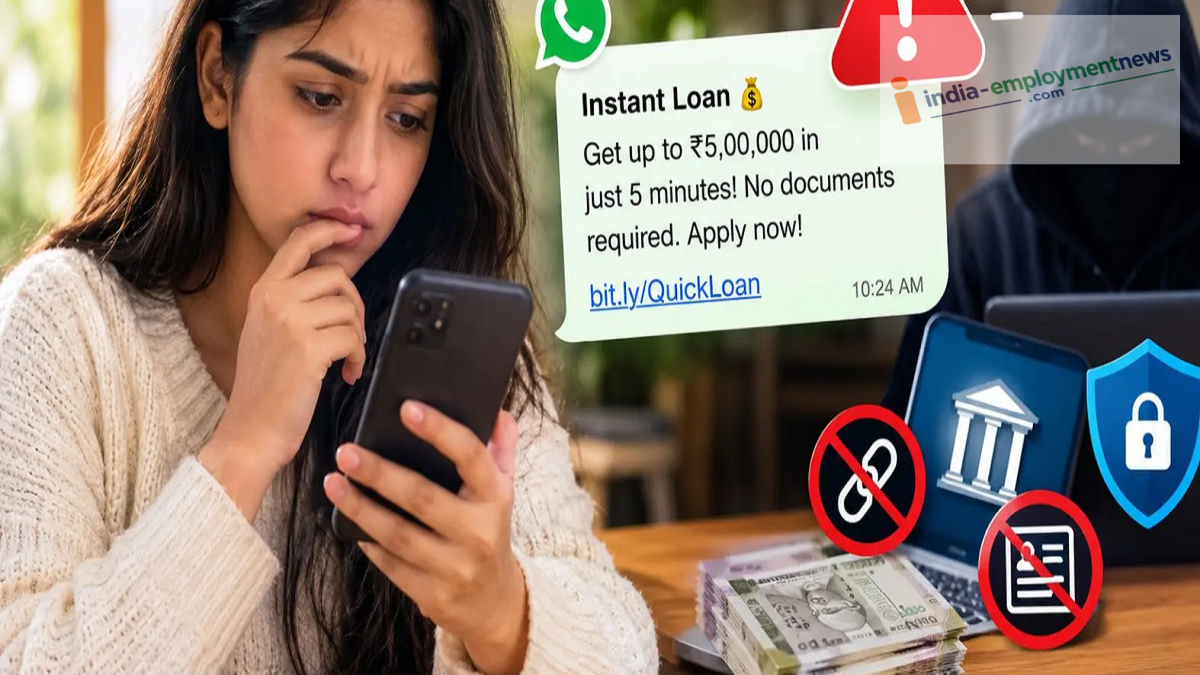
WhatsApp Loan Scam: Exposing cyber fraudsters who promise instant loans. Learn how to protect your hard-earned money and identify fake apps.
WhatsApp Loan Scam: During the festive season, our expenses often spike—whether for home repairs, new clothes, or fulfilling the wishes of our children—leading to a potential shortage of funds. In such a situation, receiving a message on WhatsApp offering an "instant loan" might naturally feel like a relief. The promise of receiving money in your account within minutes, without any paperwork, is tempting to many. But wait! Did you know that this seemingly simple message could wipe out your hard-earned savings in an instant?
Nowadays, cyber fraudsters are targeting people by posing as banks or well-known financial institutions. Let’s explore how you can protect yourself from these cunning scammers this festive season and learn to distinguish between genuine and fraudulent offers.
What should you look for when you receive a loan-related message on WhatsApp?
Whenever you receive a loan offer from an unknown number, the first step is to verify whether the company making the offer is legitimate. Fraudsters often use names and logos that closely resemble those of well-known, reputable companies.
Gather complete information about the company: Check its official legal name and identify its authentic website.
Verify RBI authorization: Ensure that the bank or Non-Banking Financial Company (NBFC) offering the loan is registered under the regulations of the Reserve Bank of India (RBI). If an app merely displays various offers, it is crucial to verify which specific bank is actually providing the funds. Avoid unknown links: Never download shortened URLs or APK files.
Are your personal documents and OTPs secure?
The primary goal of scammers is to trick you into clicking on fraudulent links or to steal your banking details. Under the guise of offering a loan, they may ask for information that you should never share with anyone.
Never disclose confidential information: Do not share your OTP, ATM PIN, photos of your credit or debit cards, or their security codes (CVV) with anyone.
Beware of Google Forms: Never enter your personal or banking information into any unknown Google Form received via WhatsApp.
Are you paying higher fees in pursuit of a lower interest rate?
Often, people fall into a loan trap simply by looking at a low interest rate, only to suffer significant losses later. Therefore, it is crucial to carefully read all the terms and conditions of any offer you receive.
Check the following:
- What are the interest rate and the complete repayment schedule?
- What are the processing fees and the Annual Percentage Rate (APR)?
- What is the penalty for failing to pay an installment on time?
Compare: Before falling for a single offer, be sure to compare it with offers from other banks.
How to avoid those who ask for advance payment before granting a loan?
This is the clearest and most definitive sign that you are dealing with a scammer. If someone asks for an advance payment—under the pretext of processing fees or loan approval—before transferring the loan amount to your bank account, be on high alert immediately.
Do not send money to private accounts: If someone asks you to deposit money into an individual's private bank account, do not transfer a single rupee.
What to do if you are suspicious: If you have even the slightest doubt or do not understand the terms and conditions, consult a knowledgeable and qualified financial advisor. Taking the right step in time can save you from a major financial loss.
