
Taxpayers alert! Fake e-PAN emails can empty your bank account. Learn how to spot genuine vs fake emails.
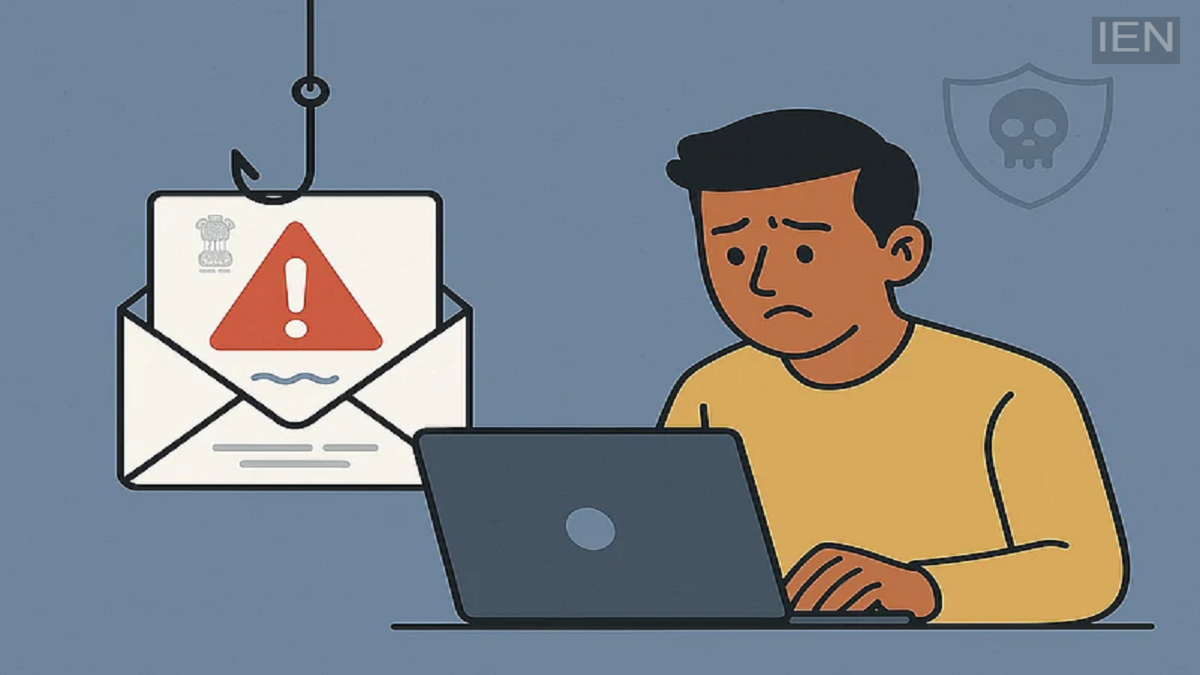
Fake e-PAN Email Alert: If you receive any message or email regarding an e-PAN, do not make the mistake of clicking on it. Doing so could lead to your bank account being drained.
Fake e-PAN Email Alert: Incidents of cyber fraud have risen significantly in recent times. Cyber fraudsters are constantly devising new ways to steal people's hard-earned money. Messages often appear to come from banks, Aadhaar services, or other essential entities. Many people open these links without verifying them, which can prove to be a costly mistake.
If you receive a message or email about an e-PAN, do not click on it; otherwise, your bank account could be emptied in an instant. The Press Information Bureau (PIB) has advised people to avoid such emails and has declared them to be fake.
What did PIB Fact Check say?
PIB Fact Check shared a post on the social media platform X, clarifying that any email asking a person to download an e-PAN card should not be mistaken for a genuine one; such emails are completely fake.
📢Have you also received an email asking you to download e-PAN Card❓#PIBFactCheck
— PIB Fact Check (@PIBFactCheck) July 18, 2026
⚠️This Email is #Fake
✅Do not respond to any emails, links, calls & SMS asking you to share financial & sensitive information
➡️Details on reporting phishing E-mails: https://t.co/nMxyPtwN00 pic.twitter.com/BXwZXbPk70
PIB's advice to the public
The PIB has advised people not to reply to such emails and to avoid clicking on any links contained within them. Furthermore, do not share banking details or any other personal information with anyone.
How to identify fake emails
Examine the email carefully; do not make the mistake of clicking on links without verification.
Fake messages and emails often urge recipients to update their information immediately. The email may use a fake or blurry government logo.
The email you received might contain spelling or grammatical errors.
Do not click on the link if it appears suspicious.
What should you do if you accidentally click on a fake email?
If you have accidentally clicked on the email, disconnect from the internet immediately.
Do not share any information related to important documents.
Additionally, change the passwords for your net banking, email, and UPI accounts.
If you have shared banking-related information, inform your bank immediately.
Also, scan your entire system using antivirus software and delete any downloaded files without opening them.
If, despite these precautions, you fall victim to a scam, immediately call the cybercrime helpline number 1930.
