
Switched Jobs? Here’s Why Transferring Your EPF Account Can Save You Future Hassles
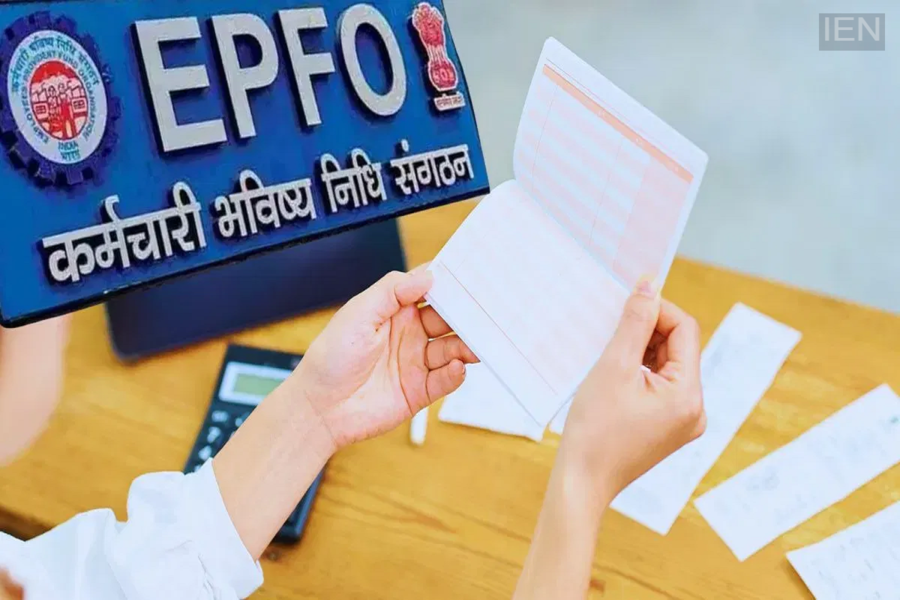
Changing jobs has become a common part of career growth, with many professionals moving across multiple organizations in search of better opportunities, higher salaries, and improved work environments. However, one important financial task often gets overlooked after a job switch—transferring the Employees’ Provident Fund (EPF) balance from the previous employer to the new one.
While EPF transfer is not legally mandatory when changing jobs, retirement planning experts strongly recommend it. Consolidating provident fund savings into a single account can simplify record-keeping, improve tax compliance, and make future withdrawals much easier.
The Employees' Provident Fund Organisation (EPFO) has significantly streamlined the process in recent years through the Universal Account Number (UAN) system, making transfers more convenient than ever.
Understanding the Role of UAN
The Universal Account Number, commonly known as UAN, was introduced by EPFO to help employees manage multiple provident fund accounts under a single identity.
Every salaried employee covered under EPF receives a unique UAN that remains unchanged throughout their working career. Even when an employee changes jobs and receives a new PF member ID from a new employer, the new account remains linked to the same UAN.
This centralized structure enables EPFO to track an employee’s provident fund contributions across different organizations and facilitates smoother account transfers.
Why EPF Transfer Is a Smart Financial Move
One of the biggest advantages of transferring EPF funds after changing jobs is the consolidation of retirement savings.
When multiple PF accounts remain scattered across different employers, tracking balances and maintaining records can become difficult over time. By transferring funds into the latest account, employees can monitor their retirement corpus more efficiently.
Consolidation also helps maintain a continuous employment history within EPFO records, which can be beneficial for various financial and administrative purposes.
Tax Benefits of Maintaining Continuity
Tax treatment is another major reason experts advise employees to transfer their EPF balances.
Under EPF rules, provident fund withdrawals generally qualify for tax benefits if an employee has completed at least five years of continuous service. If PF balances remain fragmented across multiple accounts, proving uninterrupted service may become more complicated.
By transferring the balance whenever a job change occurs, employees can preserve continuity in their employment record and potentially avoid tax-related complications during future withdrawals.
Easier Withdrawals and Final Settlement
Keeping all EPF savings in one account can significantly simplify future claim settlements.
Whether an employee plans to make a partial withdrawal for eligible purposes or eventually withdraw the entire balance at retirement, having a consolidated account reduces paperwork and administrative challenges.
Instead of dealing with multiple member IDs and employer records, employees can access their complete provident fund history through a single account linked to their UAN.
EPFO Has Simplified the Transfer Process
The EPFO has introduced several digital initiatives aimed at making fund transfers faster and more efficient.
In many situations, the system may automatically initiate the transfer process when a new employer begins depositing PF contributions. This feature reduces the need for manual intervention and speeds up account consolidation.
For automatic transfers to work smoothly, certain conditions should be met:
-
Aadhaar must be linked with the UAN.
-
Bank account details should be updated.
-
KYC information must be fully verified.
-
The date of exit from the previous employer should be correctly recorded.
-
Both employers should be registered with EPFO.
How Automatic EPF Transfer Works
When an employee joins a new company and the first provident fund contribution is credited by the new employer, EPFO may automatically generate a request to transfer the balance from the old PF account to the new one.
This automated process is designed to reduce delays and eliminate unnecessary paperwork.
However, employees should still verify that the transfer has been completed successfully by checking their EPFO account records.
Step-by-Step Guide to Transfer EPF Online
Employees can also initiate the transfer manually through the EPFO Unified Member Portal.
Follow These Steps:
-
Visit the EPFO Unified Member Portal.
-
Log in using your UAN and password.
-
Navigate to the "One Member – One EPF Account" option.
-
Verify personal details and PF account information.
-
Select either the previous employer or current employer for claim verification.
-
Submit the transfer request.
-
Complete Aadhaar-based authentication using the OTP received on your registered mobile number.
Once verified, the transfer request is processed by EPFO.
What Employees Should Remember
Although EPF transfer is optional after changing jobs, it is widely regarded as a prudent financial decision. Consolidating provident fund accounts helps maintain a clear retirement savings record, simplifies withdrawals, supports tax compliance, and reduces administrative challenges in the future.
For employees planning long-term financial security, transferring EPF balances after every job change can be an effective way to keep retirement savings organized and easily accessible. With EPFO's digital systems and UAN-based integration, the process has become quicker and more user-friendly than ever before.
