
Supreme Court Concerned Over Uninsured Vehicles; Why is ‘No Insurance, No Fuel’ Now Essential?
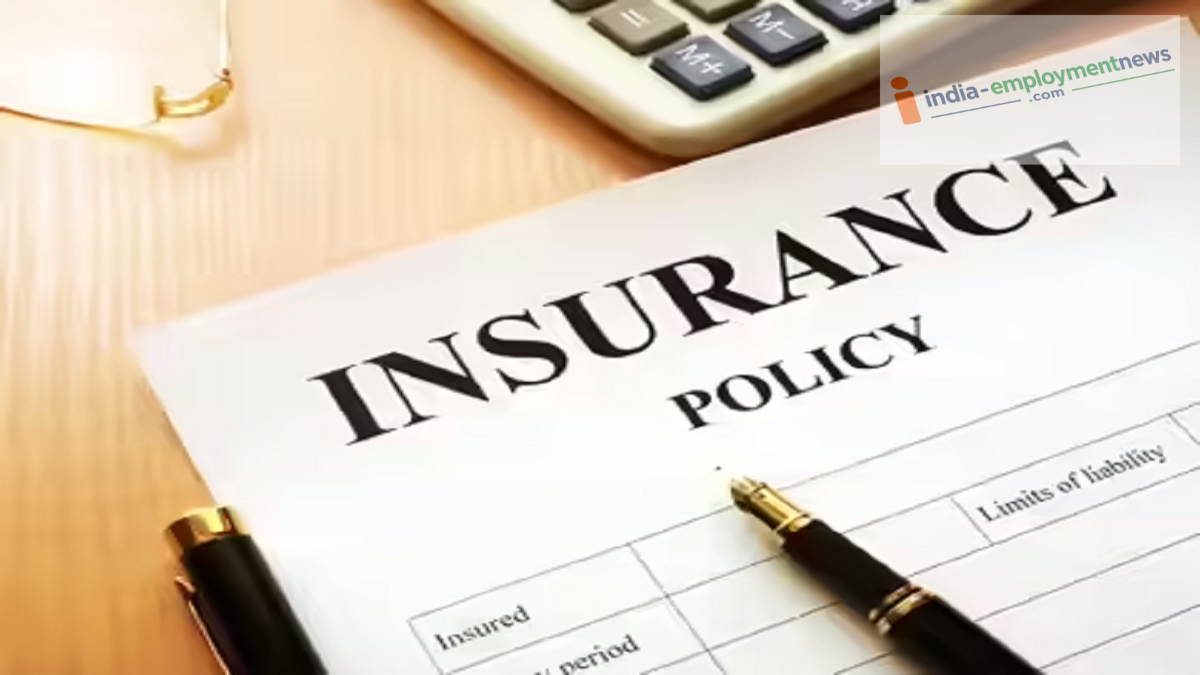
No Insurance, No Fuel: A bench comprising Justice Sanjay Karol and Justice Prashant Kumar Mishra has proposed this measure to ensure timely compensation for road accident victims.
No Insurance, No Fuel: Road accidents are not uncommon in India. A lack of awareness regarding traffic rules or sheer negligence are the primary causes. According to official government data presented in Parliament, a record 1,83,382 people lost their lives in the country in 2025.
Union Minister for Road Transport and Highways Nitin Gadkari stated that, on average, 59 road accidents occur in the country every hour, resulting in 21 fatalities hourly. Regarding the current year, 2,85,770 road accidents were recorded nationwide in the first six months (January to June) of 2026. Uttar Pradesh recorded the highest number of fatalities, with 27,550 people losing their lives in road accidents last year. However, Tamil Nadu tops the list in terms of the total number of accidents, recording 71,387 incidents over the year.
Why are so many accidents occurring?
There are several major reasons behind fatal road accidents in India. Let us take a look at them:
The biggest issue is speeding. More than 70% of all deaths in road accidents are caused by driving above the prescribed speed limit.
The second issue is the disregard for safety rules. Every year, 54,000 people lose their lives due to not wearing helmets, while over 14,000 car occupants die because they do not wear seat belts.
The third issue is the disregard for traffic regulations. These include factors such as driving on the wrong side of the road, disregarding red lights, using a mobile phone while driving, or drunk driving.
Government Preparing a New Pilot Project
Given the scale of road accidents in the country, one thing is certain: regardless of other measures, having vehicle insurance is crucial. With this in mind, the Supreme Court has suggested that the Central Government develop a pilot project based on the ‘No Insurance, No Fuel’ model. Under this scheme, vehicles lacking valid third-party insurance could be denied fuel at petrol pumps. However, at present, this is merely a suggestion to the government rather than a binding order from the Supreme Court.
What is the Objective?
The objective is to ensure financial assistance for accident victims. When a road accident occurs, the victim’s family often struggles to secure justice and financial aid. Third-party insurance plays a vital role in providing such financial support. In India, third-party insurance is mandatory for every vehicle by law. Under third-party insurance, the insurance company assumes full liability for legal compensation in the event of a person’s death or serious injury resulting from an accident.
Consequently, driving without valid insurance could become difficult in the future. Under the ‘No Insurance, No Fuel’ pilot project proposed by the Supreme Court to the Central Government, vehicles lacking valid third-party insurance could be denied fuel at petrol pumps. However, for now, this remains a suggestion to the government rather than a binding Supreme Court order.
Why is ‘No Insurance, No Fuel’ Necessary Now?
Citing statistical data, the Supreme Court noted that there are approximately 30.48 crore registered vehicles in the country. Of these, 16.54 crore—or roughly 56%—do not have valid insurance. Consequently, road accident victims and their families have to undergo lengthy legal proceedings to secure compensation.
Against this backdrop, a bench comprising Justice Sanjay Karol and Justice Prashant Kumar Mishra has put forward a proposal aimed at ensuring timely compensation for road accident victims. The Court has directed the Insurance Regulatory and Development Authority of India (IRDAI) and the Ministry of Road Transport to work towards developing technology for insurance tracking at petrol pumps. The Ministry of Petroleum has also expressed in-principle agreement with this proposal.
Failure to insure vehicles…
The Court has also emphasized the use of technology to ensure vehicle insurance. It directed that ANPR cameras installed on roads be linked to the ‘Vahan’ portal and insurance databases. This would enable the automatic issuance of e-challans upon the identification of uninsured vehicles. Furthermore, the Court has directed that traffic police be provided with handheld devices to instantly verify vehicle insurance status.
Note that while third-party insurance is mandatory under Section 146 of the Motor Vehicles Act, compliance remains poor. The court believes that linking fuel supply to insurance validity would encourage vehicle owners to renew their policies on time and streamline the process of securing compensation for accident victims.
What does third-party insurance cover?
If your vehicle is involved in an accident, this policy provides financial protection in the following scenarios:
The insurance company bears full liability for legal compensation in the event of the death of or serious injury to another person. In such cases, the insurance company pays damages of up to ₹7.5 lakh.
Legal expenses arising from court proceedings or cases before the Motor Accident Claims Tribunal (MACT) are also covered under third-party insurance.
A fixed cover of up to ₹15 lakh is provided in the event of the vehicle owner's death or permanent disability.
An easy way to renew your insurance policy
Visit the website of any insurance aggregator (such as Policybazaar or Mintpro).
Enter your vehicle registration number and details of your existing policy (if available).
Select a 'Third-Party Plan' that fits your budget.
Make the payment online, and your new policy will be sent to your email within two minutes.
