
Sugar prices have dropped—so why are shop prices still high?
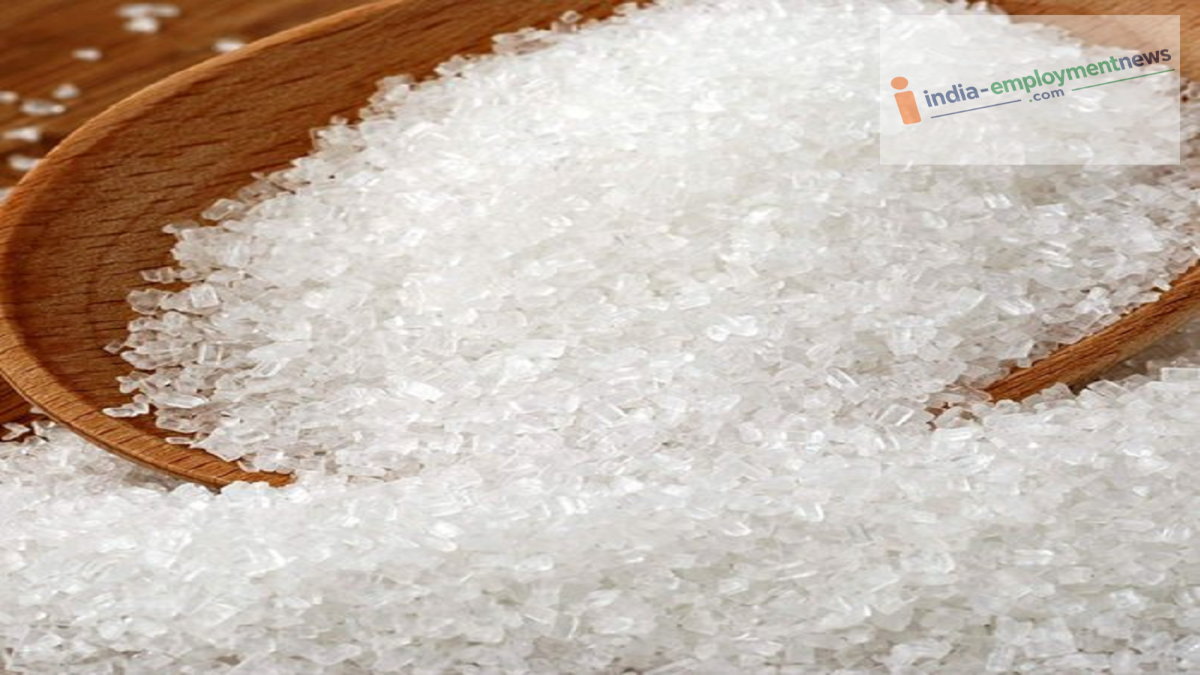
Sugar Price: The common man has several major questions regarding sugar prices—specifically, if sugar is cheaper at the mill, why is the public buying it at a high price? Let’s look into the details.
The general public has yet to find relief regarding sugar prices. In fact, while the price drops significantly after leaving the sugar mill, the rate becomes high by the time it reaches retail shops. Sugar mills themselves have now raised questions about this discrepancy.
According to media reports, the ex-mill price of sugar has fallen by nearly 30 percent. This means that sugar previously sold from the mill at around ₹67 per kg is now priced at approximately ₹47 per kg. Despite this, sugar is still selling for over ₹60 per kg in the retail market.
What is the ex-mill price?
The ex-mill price is the rate at which sugar is sold as it leaves the mill. Margins for wholesalers, transportation costs, and retailers are added subsequently before it reaches the customer. Therefore, a price drop at the mill does not necessarily translate into an immediate, equivalent drop at the retail shop. However, mills argue that the gap between the two prices is currently excessive.
Why have the mills raised this issue?
The sugar industry maintains that since the price of sugar has dropped sharply at the mill level, the impact should have been visible in the retail market as well. According to the industry, there is no shortage of sugar in the market, and supplies are adequate. Consequently, they argue it is unfair for customers to still be paying ₹60–65 per kg.
However, it may take some time for retail prices to fall. One reason for this is that shopkeepers and traders may hold older stock purchased at higher rates.
What has the government done?
The government has taken several measures to curb the sudden spike in sugar prices. These measures include permitting the import of 1 million tonnes of raw sugar and monitoring for hoarding. The government has also fixed stock-holding limits for wholesale buyers.
When will sugar become cheaper at retail outlets?
The biggest question now is when the common consumer will reap the benefits of these measures. In response, it can be said that the impact of the drop in ex-mill prices will inevitably filter through—first to the wholesale market and subsequently to the retail market.
According to some media reports, retail prices are expected to decline further in the coming days. However, the extent of this drop depends on the price at which traders procure new stock and the speed at which market supply increases.
