
Stop Buying Gold for a Year? Experts Predict Major Price Shock by 2027 After PM Modi’s Appeal
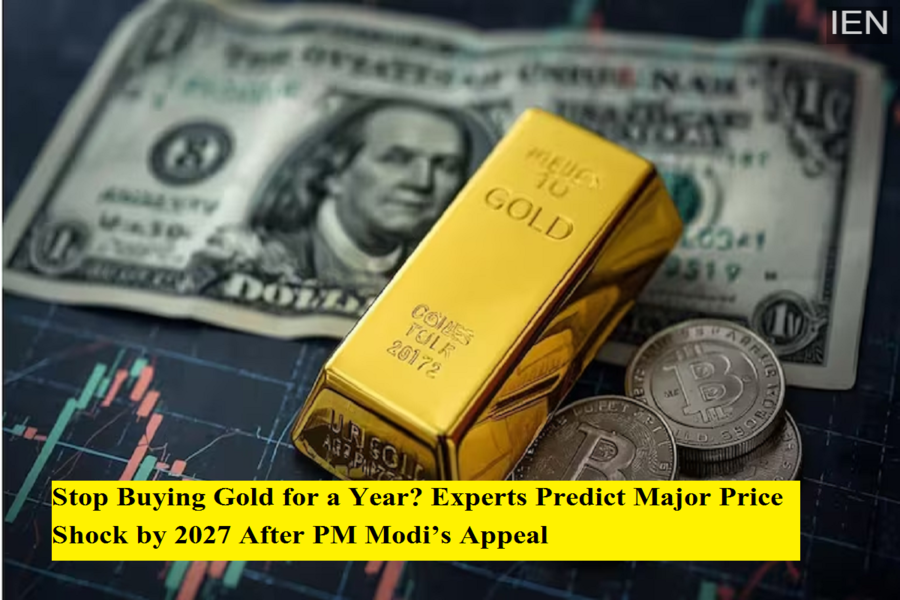
A fresh debate has emerged in India’s financial markets after Prime Minister Narendra Modi reportedly urged citizens to avoid unnecessary gold purchases for at least one year to strengthen the country’s economy. The appeal has sparked discussions among economists, bullion traders, and investors about whether reduced gold buying could eventually trigger a major correction in gold prices over the next few years.
India is one of the world’s largest consumers and importers of gold, especially during wedding seasons and festivals. Experts say the country’s heavy dependence on imported gold puts pressure on foreign exchange reserves, weakens the rupee, and increases the overall economic burden.
Some market analysts now believe that if domestic gold demand slows significantly, India could witness a major “gold price shock” by 2027, with prices potentially correcting sharply from current record levels.
Why the Government Wants People to Reduce Gold Buying
India imports most of the gold consumed in the country because domestic production remains very limited.
Whenever India imports gold, billions of dollars are paid in foreign currency to international sellers. This creates multiple economic challenges.
Pressure on Foreign Exchange Reserves
Large-scale gold imports increase the outflow of dollars from India’s economy. This puts additional pressure on the country’s foreign exchange reserves.
Economists say reducing unnecessary gold imports could help preserve forex reserves and improve economic stability.
Impact on the Indian Rupee
Heavy imports increase demand for the US dollar, which can weaken the Indian rupee.
A weaker rupee often makes imported goods more expensive, including:
- Crude oil
- Petrol and diesel
- LPG cylinders
- Electronics
- Industrial raw materials
Experts believe a stronger rupee could eventually help stabilize inflation and reduce the cost of essential commodities.
Money Locked in Physical Assets
Policy experts also argue that large investments in physical gold reduce the amount of money flowing into productive sectors of the economy.
Instead of being invested in:
- Infrastructure
- Manufacturing
- Banking
- Equity markets
- Mutual funds
- Economic development projects
a significant portion of household savings remains locked in jewellery and physical bullion.
The government reportedly wants more domestic savings to move toward financial assets that can support long-term economic growth.
Can Gold Prices Really Fall by 2027?
Some market experts believe that if Indian consumers significantly reduce gold purchases for one or two years, domestic demand may soften enough to impact pricing trends.
According to certain estimates:
- Gold prices in India could potentially decline to around ₹85,000 to ₹95,000 per 10 grams by 2027.
However, analysts also caution that global economic conditions will remain the biggest factor influencing long-term gold prices.
Gold continues to receive support from:
- Global inflation concerns
- Geopolitical tensions
- Central bank buying
- Economic uncertainty
- Currency volatility
Because of these international factors, experts do not expect gold prices to collapse suddenly, even if Indian demand slows temporarily.
Why Gold Has Become So Expensive
Gold prices have surged sharply in recent years due to a combination of domestic and global factors.
Major reasons include:
- Rising global inflation
- Central bank interest rate uncertainty
- Geopolitical conflicts
- Crude oil price volatility
- Weakness in major currencies
- Increased safe-haven demand
In India, the weakening rupee has further amplified the increase in domestic gold prices.
As a result, gold rates recently touched historic highs in the Indian bullion market.
Government Encouraging Alternative Gold Investments
Instead of buying physical gold such as jewellery, bars, or coins, the government is encouraging investors to explore modern financial alternatives linked to gold.
Sovereign Gold Bonds (SGBs)
Sovereign Gold Bond are considered one of the safest gold investment options because they are backed by the Government of India.
Benefits include:
- Exposure to gold price appreciation
- Additional annual interest income
- No storage risk
- Tax advantages under certain conditions
Digital Gold
Digital gold allows investors to purchase small quantities of gold online, even starting from ₹1.
Advantages include:
- Easy online access
- No physical storage issues
- Lower theft risk
- Flexible investment amounts
Gold ETFs
Gold ETF provide gold exposure through the stock market.
These are considered:
- Transparent
- Liquid
- Easy to trade
- Suitable for modern investors
Financial planners say such alternatives reduce dependence on physical imports while still allowing investors to benefit from gold-linked returns.
How Reduced Gold Imports Could Affect Common Citizens
Economists believe that if India successfully reduces gold imports and strengthens the rupee, the impact could extend beyond bullion markets.
Potential benefits may include:
- Lower inflation pressure
- Reduced import costs
- Greater currency stability
- Better fiscal management
- Improved infrastructure investment
- More funds available for productive sectors
A stronger rupee may also help stabilize the prices of daily-use products and imported goods.
Experts Warn Against Emotional Gold Buying
Financial advisors say many Indian households continue purchasing gold primarily due to tradition, emotional value, and cultural habits rather than investment planning.
Experts recommend that investors carefully evaluate:
- Financial goals
- Inflation-adjusted returns
- Liquidity needs
- Storage costs
- Long-term wealth creation potential
before making large gold purchases.
They also suggest maintaining a balanced investment portfolio instead of concentrating excessive savings in physical gold.
Will Indians Really Stop Buying Gold?
Despite the government’s appeal, analysts believe completely reducing gold demand in India may be difficult because of the metal’s deep cultural and emotional importance.
Gold remains closely linked to:
- Weddings
- Festivals
- Religious traditions
- Family savings
- Wealth preservation
However, experts say younger investors are increasingly shifting toward financial gold products and diversified investment options.
If this trend accelerates over the next few years, India’s gold consumption patterns could gradually begin to change, potentially influencing long-term market dynamics and future price trends.
