
Son Demands Share in Property; Court Orders Him and Wife to Vacate Mother's House
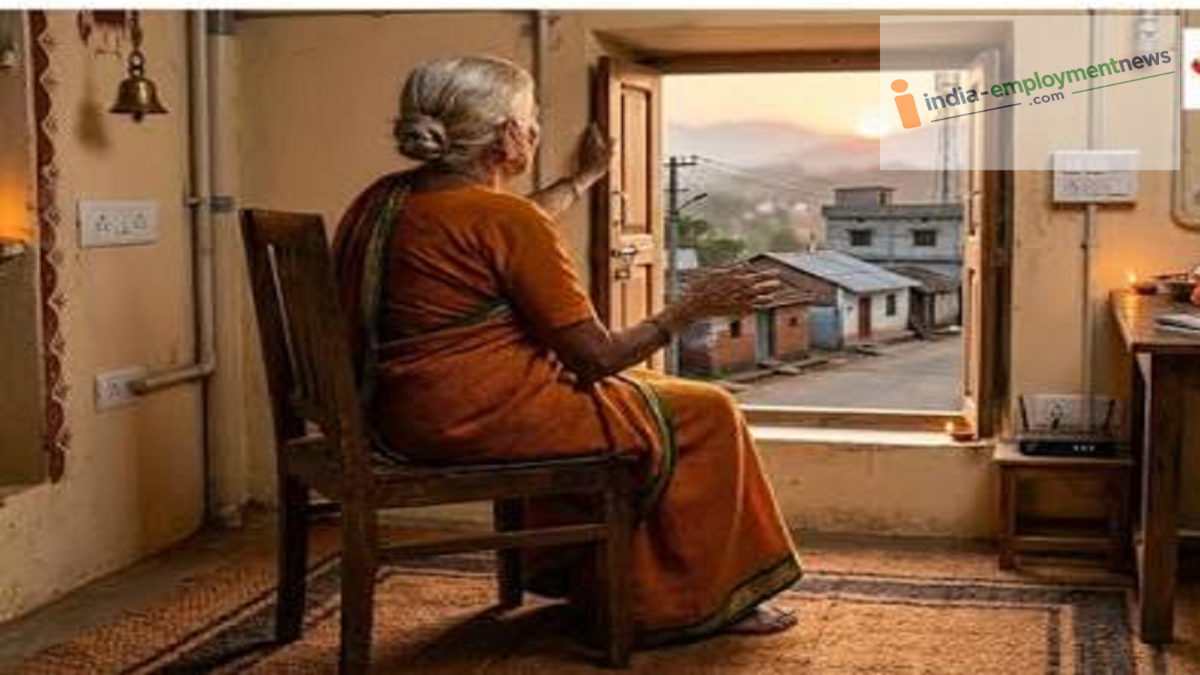
A dispute arose when a son, living in his mother's house, sought a share of the property. The matter reached the court, which, after hearing the case, ordered the son and daughter-in-law to vacate the premises.
We all know that children have a right to their parents' property. But what happens when one parent is alive and does not get along with the children? Is it still appropriate for the child to demand a share of the property? The Delhi High Court recently addressed this question, clarifying who is entitled to the property.
The Delhi High Court dismissed a son's claim of ownership over his mother's house. The court ordered the son and his wife to vacate the house and remove the locks they had installed. The case originated in the Karawal Nagar area of Delhi.
What is the full story?
The matter dates back about 30 years. In 1996, the woman's husband purchased a house with his own earnings, but the property was registered in the woman's name. Documents such as a General Power of Attorney (GPA), an agreement to sell, a will, and receipts were available to substantiate this. After marriage, the woman allowed her son and daughter-in-law to live in the house. Over time, the relationship between the mother and son deteriorated. Consequently, the mother asked them to vacate the house, but the son claimed a share in the property.
What did the son say?
The son claimed that he had contributed ₹1.5 lakh when the land was purchased and had spent an additional ₹60,000 on the house's construction. He argued that, due to these financial contributions, he should be considered a joint owner of the house.
However, the son failed to provide concrete evidence in court to prove that he had actually paid these amounts for the purchase of the land or the construction of the house. He was unable to produce any independent title deed proving ownership of the property in his name.
Court's Verdict
The Delhi High Court observed that merely contributing funds towards household expenses, construction, or repairs does not confer ownership rights upon an individual. The Court acknowledged that the mother possessed the title documents establishing her ownership of the house. It further clarified that if a husband purchases a property in his wife's name using his own earnings, the property does not automatically become *benami* (held in a name other than the real owner's) solely on that ground. In this case, although the husband had provided the funds for the property, the house was registered in the wife's name; this did not entitle the son to any rights over the property.
Ultimately, ruling in favor of the mother, the Court ordered the son and daughter-in-law to vacate the house.
