
Solar-Powered Water Supply to Save Crores in Electricity Bills Annually
Solar-Powered Water Supply to Save Crores in Electricity Bills Annually
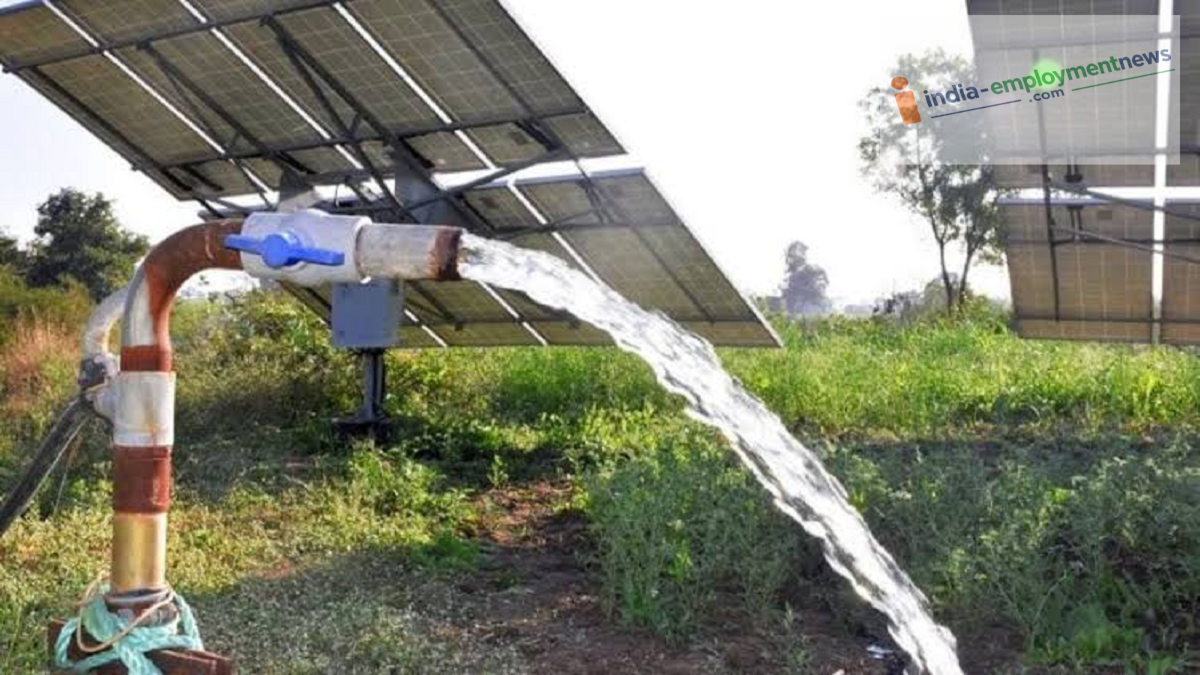
Solar Panel Water Supply Scheme: The Rajasthan government is planning a solar-powered water supply scheme to save crores of rupees on electricity bills. Initially, this scheme will be implemented across eight districts of the state.
Solar Panel News: Preparations are underway to link water supply systems in Rajasthan with solar power. The state's Public Health Engineering Department (PHED) will install rooftop solar plants with a total capacity exceeding 200 MW at major pumping stations. This initiative is estimated to save approximately ₹180 crore and could lead to a significant reduction in electricity bills.
Eight districts have been included in the first phase of the scheme: Baran, Bharatpur, Bundi, Dausa, Deeg, Kota, Sawai Madhopur, and Tonk. A total of 201 solar plants will be installed across these districts. The breakdown is as follows: 43 plants in Baran, 31 in Bharatpur, 13 in Bundi, 26 in Dausa, 16 in Deeg, 21 in Kota, 27 in Sawai Madhopur, and 24 in Tonk.
Expenditure Exceeding ₹703 Crore
The government estimates the total cost of this scheme to be over ₹703 crore. Currently, PHED pumping stations consume approximately 350 crore units of electricity annually. Once the solar plants are installed, a portion of the electricity requirement will be met through solar power, potentially leading to a substantial reduction in electricity bills.
The scheme will be implemented based on the Renewable Energy Service Company (RESCO) model. Under this model, selected companies will bear the entire cost of installing the solar plants and will also handle their operation and maintenance for 25 years. A single company will be awarded a contract for a maximum capacity of 50 MW.
Electricity Accounting via VNM
The scheme will utilize the Virtual Net Metering (VNM) arrangement. Under this system, electricity generated from a single solar plant can supply power to connections located at different sites, and billing adjustments are made based on the electricity fed into the grid. Companies will be required to set up solar plants with an annual Capacity Utilization Factor ranging between 17% and 19%. If the scheme proves successful, it will subsequently be implemented across Rajasthan.
