
Solar Panels: Rules for Solar Panels Change from June 1st—Find Out How It Will Impact Your Wallet
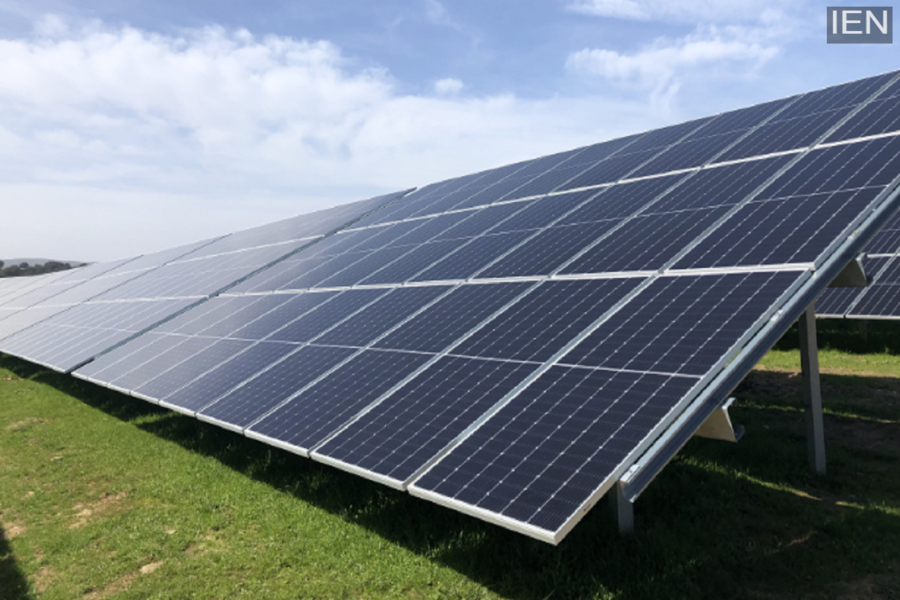
Solar Panel Rule Change from June 1st: Amidst rising electricity bills and the scorching summer heat, the demand for solar panels is surging rapidly. Against this backdrop, the government has implemented a significant new regulation concerning the solar sector, effective from June 1st.
Solar Panel Rule Change from June 1st: The month of June begins today, and the summer heat has reached its peak. The escalating heat has made daily life difficult for people, leading to increased usage of air coolers and air conditioners. Consequently, amidst rising electricity costs, solar panels are fast becoming the preferred choice for many. A large number of people are installing solar systems on their rooftops to help reduce their electricity expenses. In this context, the government has introduced a new rule for the solar sector, effective June 1st, which could impact both the pricing of solar panels and their installation process.
What is the New Rule?
Regarding the new regulation, the government has further tightened the ALMM (Approved List of Models and Manufacturers) norms applicable to solar equipment. Previously, it was mandatory only for the solar panels themselves to be included in the government’s approved list; however, it is now mandatory for the solar cells used within those panels to also be featured in the ALMM list. This clearly implies that, henceforth, not only must the solar panels be sourced from government-approved companies, but the solar cells embedded within them must also originate from such approved manufacturers.
What Changes from June 1st?
It is important to note that starting June 1st, 2026—i.e., today, Monday—only solar panels and solar cells manufactured by companies listed in the ALMM will be eligible for installation under government-sponsored schemes. The government believes that this measure will boost domestic manufacturing of solar equipment within the country and reduce reliance on imports. Furthermore, it will ensure that consumers have access to higher-quality products.
Will Installing Solar Panels Become More Expensive?
Due to the new regulation, the overall cost of installing a solar system may see a slight increase. According to estimates, the additional cost for a 1-kilowatt solar system could rise by approximately ₹3,000. 1 kW System:
Approximately ₹3,000 in additional cost
2 kW System: Approximately ₹6,000 in additional cost
3 kW System: Approximately ₹9,000 in additional cost
However, the government subsidy available under the PM Surya Ghar Yojana will continue as before, potentially offering relief to users.
Points to Consider Before Installing Solar Panels
If you are planning to install solar panels at your home, the first step is to assess your electricity consumption and budget. Do not base your decision solely on low prices; instead, take into account the quality of the panels, the warranty offered, and your future requirements.
Why is This Change Significant?
The government states that this new regulation represents a major step toward enhancing quality within the solar sector and strengthening the ‘Make in India’ initiative. While the upfront cost may increase slightly, in the long run, this move is expected to prove beneficial for both the users and the nation.
