
Solar Panels: Net Meters for Solar Systems Cost Between ₹2,000 and ₹10,000—What Are They?
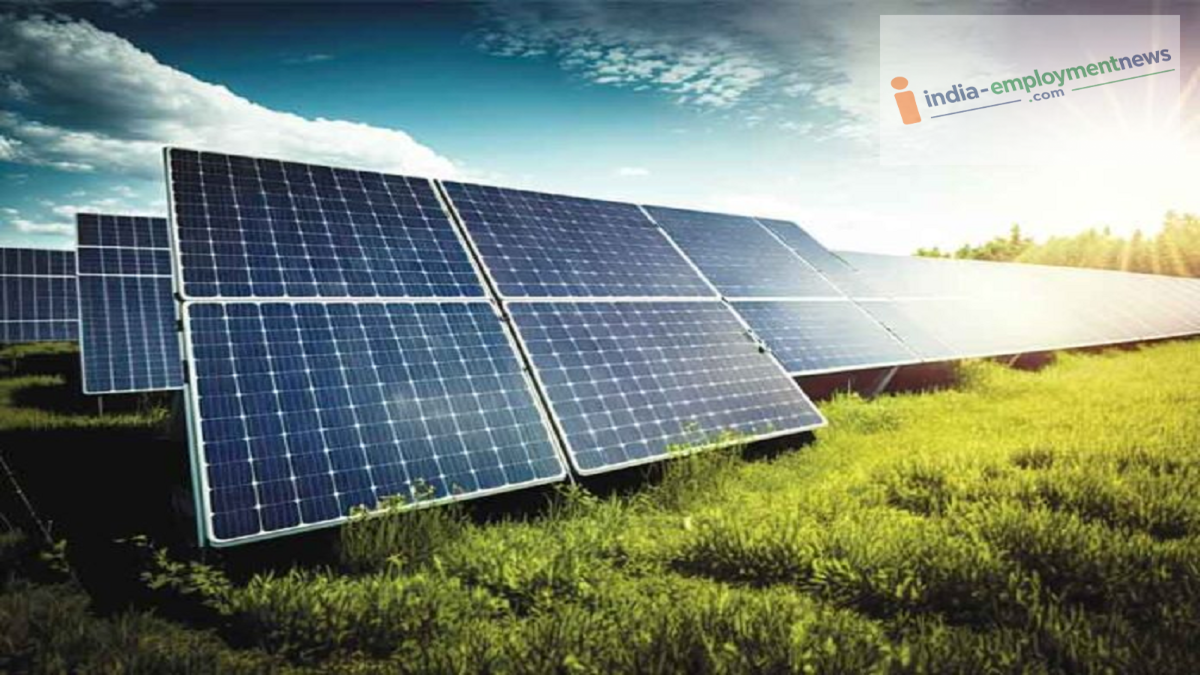
If you are considering installing solar panels, are you aware of a "net meter"—a device that keeps a complete record of the electricity generated by your solar system? If not, let’s explore what a net meter is and how much it costs.
Nowadays, everyone wants to reduce their household electricity bills. To achieve this, many are opting to install solar panels. If you are planning to install solar panels, you should know that an additional meter—known as a "solar net meter"—is installed to track the electricity generated by your system. Let’s look at the function of a net meter and its cost.
What is a solar net meter?
A solar net meter is a specialized type of electricity meter. It tracks both the electricity consumed within your home and the electricity supplied to the grid. For instance, if your solar panels generate more electricity during the day than your household requires, the surplus power is fed into the government electricity grid.
Conversely, when sunlight is limited—or during the night—when your solar panels cannot generate sufficient power, you will need to draw electricity from the grid. A net meter keeps a record of both these flows: electricity drawn from the grid is termed "import," while excess electricity sent to the grid is called "export." Your electricity bill is then calculated based on these figures, in accordance with the policies of your utility provider. Now, let’s look at the cost.
How much does a net meter cost?
In India, the estimated cost of a solar net meter ranges from ₹2,000 to ₹10,000. A single-phase bidirectional meter typically costs between ₹2,000 and ₹5,000, while a three-phase meter generally costs between ₹5,000 and ₹10,000. Yes, but it is important to note that in addition to the cost of the meter, there may be charges for installation, wiring, testing, and departmental fees levied by the DISCOM (electricity distribution company). Therefore, whenever you get solar panels installed, ensure you are aware of all the associated costs.
Understand the benefits of installing a net meter.
The primary advantage of installing a net meter is that if the solar panels at your home generate more electricity than you need, you can feed the excess power into the electricity grid. Conversely, when you require electricity, you can draw it from the grid. A net meter keeps track of both these flows.
Electricity companies calculate your electricity bill based on this data, which can help significantly reduce your electricity costs. However, it is important to understand that the extent to which your electricity consumption can be offset (adjusted) depends on the specific regulations of each state.
