
Solar Panel Buyers to Face Higher Costs From June 1 as New Government Rule Comes Into Effect
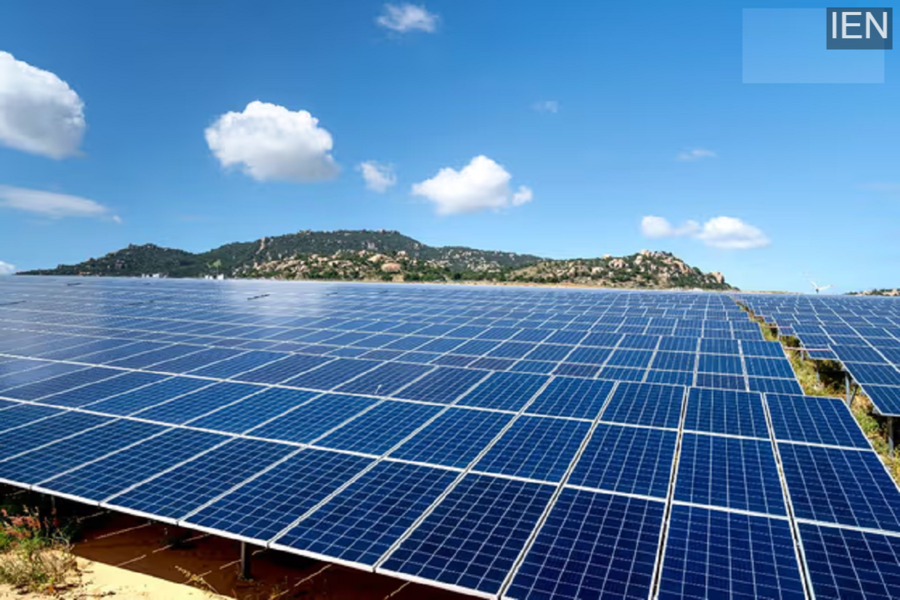
People planning to install rooftop solar systems may soon have to spend more money as the government is introducing a major regulatory change in the solar sector from June 1, 2026. The new rule will make it mandatory not only for solar panels but also for the solar cells used inside them to meet government-approved standards.
The decision is expected to increase the upfront cost of installing solar systems across India. However, the government has clarified that subsidies under the PM Surya Ghar Muft Bijli Yojana will continue without interruption.
Here is everything consumers need to know about the new solar rule, the expected increase in installation costs, and the impact on subsidies.
What Is the New Solar Rule Starting From June 1?
Until now, rooftop solar systems installed under government guidelines only required solar panels to be approved under the government’s ALMM List-I certification system.
However, from June 1, 2026, the rules are becoming stricter.
Under the new ALMM List-II framework:
-
Solar cells used inside panels must also come from government-approved manufacturers
-
Both panels and cells will now require official certification
-
Non-approved imported components may no longer qualify for government-supported installations
Officials have reportedly confirmed that the deadline for implementing the new rule will not be extended further.
Why Is the Government Introducing This Change?
The primary objective behind the new regulation is to strengthen India’s domestic solar manufacturing sector and reduce dependence on low-quality imported equipment.
The government aims to:
-
Promote Made-in-India solar components
-
Reduce dependence on Chinese solar products
-
Improve overall quality standards
-
Ensure long-term efficiency and safety of rooftop systems
Industry experts say the move could support domestic manufacturing companies but may also temporarily increase costs for consumers.
How Much More Will Consumers Have to Spend?
According to industry estimates, the mandatory use of approved domestic solar cells is likely to increase the manufacturing cost of solar panels. As a result, rooftop solar installation prices are expected to rise.
Estimated Additional Cost After New Rule
| Solar System Capacity |
Estimated Extra Cost |
|---|---|
| 1 kW System |
Around ₹3,000 extra |
| 2 kW System |
Around ₹6,000 extra |
| 3 kW System |
Around ₹9,000 extra |
Experts believe prices may vary slightly depending on the brand, vendor, and location of installation.
Will Government Subsidies Stop?
Amid reports about the new rule, rumors have been circulating on social media claiming that the government may discontinue rooftop solar subsidies.
However, these claims are false.
The government has clarified that subsidies under the PM Surya Ghar Muft Bijli Yojana will continue as before.
Consumers will still receive financial assistance for rooftop solar installations.
Current Solar Subsidy Structure
Subsidy Available Under PM Surya Ghar Scheme
| Solar Capacity |
Subsidy Amount |
|---|---|
| 1 kW |
₹30,000 |
| 2 kW |
₹60,000 |
| 3 kW and above |
Up to ₹78,000 |
In addition to central government support, several state governments also provide extra top-up subsidies for rooftop solar systems.
What Will Change for Consumers?
While subsidies will continue, the process of claiming them may become more stringent after June 1.
Consumers may now face:
-
Stricter paperwork verification
-
Tighter vendor approval rules
-
More detailed inspection processes
-
Additional compliance requirements
Experts advise buyers to carefully choose government-approved vendors and ensure that all components comply with the updated ALMM standards.
Why Rooftop Solar Demand Is Rising
With electricity prices rising and temperatures increasing across India, rooftop solar systems are becoming increasingly popular among households.
Many homeowners are installing solar panels to:
-
Reduce electricity bills
-
Achieve near-zero monthly power costs
-
Gain long-term energy savings
-
Reduce dependence on grid electricity
-
Use clean and renewable energy
The government’s subsidy programs have also accelerated adoption in both urban and semi-urban areas.
Industry Experts Expect Short-Term Price Pressure
Solar industry experts believe the stricter standards may initially create supply and pricing pressure because approved domestic solar cell production capacity is still developing.
However, over the long term, the move could help improve:
-
Product reliability
-
Solar system efficiency
-
Consumer safety
-
Domestic manufacturing growth
Some experts also believe the policy could eventually reduce India’s dependence on imported solar equipment.
What Consumers Should Do Before Installing Solar Panels
People planning rooftop solar installations should now:
-
Verify vendor approval status
-
Check ALMM compliance carefully
-
Compare installation costs
-
Understand subsidy eligibility rules
-
Keep all documentation ready for claims
Experts suggest that early planning and selecting certified installers may help avoid delays after the new rules take effect.
Disclaimer: Solar installation costs and subsidy benefits may vary depending on state policies, vendor pricing, and government guidelines. Consumers should verify details through official government portals or authorized solar vendors before making financial decisions.
