
Solar Energy Systems Can Pose Significant Risks: Here’s What You Need to Know
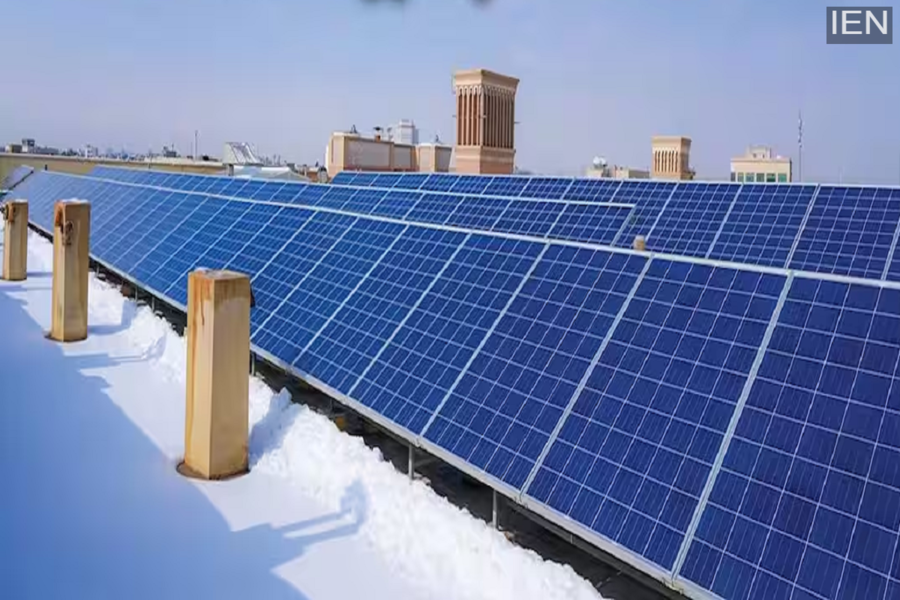
Solar Energy System Risks: While solar energy systems offer numerous benefits—such as saving on electricity bills—they also come with certain risks. Negligence can lead to serious damage or hazards.
Solar Energy System Risks: People are increasingly turning to solar energy to save on electricity bills and avoid the hassles of power outages. While a system installed and maintained by a trained professional is generally safe, technical issues or other factors can sometimes make it hazardous. Today, we will explore the risks associated with solar systems and how these dangers can be mitigated.
What are the risks associated with solar energy systems?
Risk of Electric Shock: All solar panels generate DC electricity. This means that even if the power grid supply is cut off, the DC cables, connectors, and panels remain live. Consequently, coming into contact with the DC circuit—due to exposed or damaged wiring or loose connectors—can be fatal.
DC Arc Fault: A DC arc fault occurs when electricity jumps across a damaged or loose electrical connection. This issue is more common when connectors or electrical connections are loose. It generates heat that can melt insulation and ignite surrounding materials, posing a fire hazard.
Lightning: Solar panels are installed at the highest point of a building. Without proper earthing and surge protection, lightning strikes can cause severe damage to the inverter, cables, and electrical appliances connected to the system.
Weather-Related Risks: Solar panels are exposed to various weather conditions, including rain, humidity, and heat. Therefore, the system must be designed to withstand these elements. If connectors are not properly sealed, moisture can seep in, potentially causing electric shocks or short circuits. Similarly, humidity and rain pose a risk of corrosion to mounting structures and cable joints.
How can the risk be minimized?
The first and simplest way to reduce risk is to always have the system installed and maintained by a professional solar technician.
Using the right tools and equipment can help minimize risk.
Inspecting the site before installing the system is essential; this allows for the assessment of factors such as roof structural integrity and available space.
