
Society Maintenance: A Major Blow to Flat Buyers—Monthly Maintenance Bills Could Rise by Up to ₹3,000
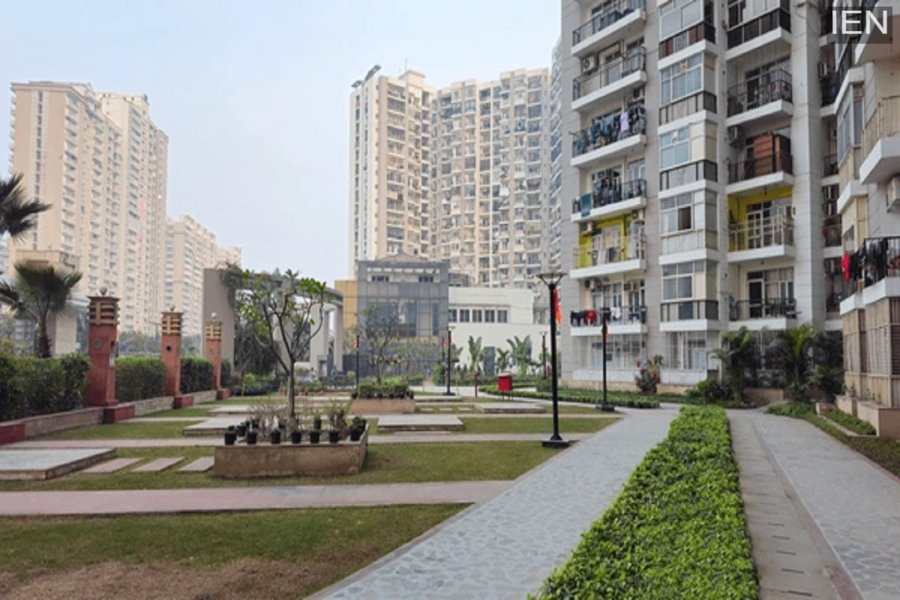
Society Maintenance: The monthly expenses for residents living in apartments and gated communities are likely to increase. Due to rising wages and escalating operational costs, many housing societies are currently preparing to hike their maintenance charges.
Society Maintenance Charges: If you reside in a gated community or an apartment complex, this news is relevant to you. In the near future, your monthly maintenance bill could see an upward revision. Several housing societies across the Delhi-NCR region are currently reviewing their maintenance fee structures. While charges have already been hiked in some localities, many other societies are gearing up to implement new rates shortly.
Why Are Maintenance Charges Rising?
When examining the reasons behind this hike, the primary factor is the increase in minimum wages for staff members. Following recent amendments to the Labor Codes, the salaries of employees—such as security guards, sanitation workers, gardeners, electricians, and plumbers—have gone up. Housing societies rely heavily on these personnel for their day-to-day operations. Consequently, the rise in wages has directly led to an increase in the society’s overall expenditure. Resident Welfare Associations (RWAs) and Apartment Owners Associations (AOAs) state that it has become imperative to recover a portion of these increased costs from the residents.
Expenses Could Rise by 25% to 30%
According to reports, maintenance charges in some societies could witness an increase ranging from 25% to 30%. This could potentially push up the monthly household budget for many families by approximately ₹3,000. Housing societies are not merely grappling with increased salary costs; the rising prices of diesel have also significantly inflated their expenses. They are now incurring higher costs to operate backup generators during power outages. Furthermore, general inflation and escalating operational overheads are placing additional pressure on the societies’ budgets.
What Steps Are Societies Taking to Reduce Costs?
Many housing societies are adopting new strategies and measures to curtail their operational costs. These measures include the adoption of LED lighting, energy-saving initiatives, and plans to install solar power systems in common areas. Some housing societies are also considering installing rooftop solar systems to help reduce electricity costs. However, experts caution that these measures may not fully offset the increased labor costs.
Not All Societies Are Passing on the Entire Burden
Many housing societies are reluctant to immediately pass the entire burden of additional expenses onto their residents. Some apartment associations are attempting to contain costs by reducing electricity consumption and streamlining operational efficiency. The impact of rising maintenance charges could also extend to Goods and Services Tax (GST) liabilities.
According to current regulations, if a flat’s monthly maintenance charge is up to ₹7,500, it is exempt from GST; however, if this amount exceeds ₹7,500, residents may be required to pay additional GST on top of the maintenance charges. Consequently, even a marginal increase in maintenance fees could significantly inflate a resident’s monthly household expenses.
Residents Express Concern
Residents in several housing societies have expressed concern regarding proposals to hike maintenance charges. They argue that there needs to be greater transparency regarding the calculation of the increased fees and the breakdown of expenses. Furthermore, many residents are demanding that management committees clearly specify what portion of the increased charges is directly attributable to rising labor costs and operational expenses.
Pressure May Persist
Experts and residents’ associations anticipate that the upward pressure on maintenance costs is likely to persist in the coming months. Factors such as rising wages, diesel prices, increased electricity tariffs, and other operational overheads could continue to strain the budgets of housing societies.
