
Small Savings Schemes Explained: From PPF to Sukanya — Are They Really the Best Investment Choice?
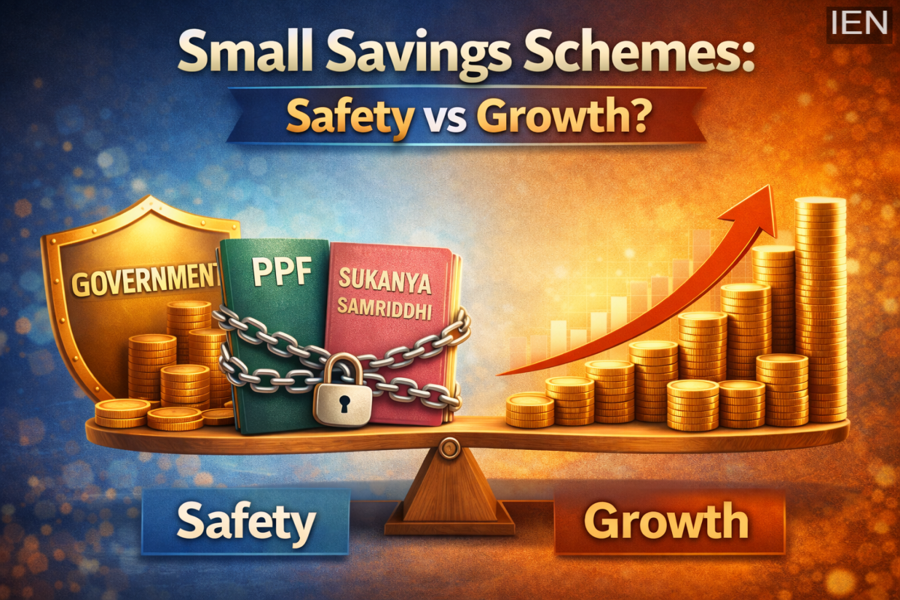
When it comes to investing money, safety is often the first priority for most individuals. This is why small savings schemes like the Public Provident Fund (PPF), Sukanya Samriddhi Yojana (SSY), and Senior Citizen Savings Scheme (SCSS) continue to attract a large number of investors in India.
Backed by government support, these schemes are widely considered secure and reliable. However, an important question remains—does “safe” always mean “best” for your financial growth?
Let’s take a closer look at the advantages, limitations, and the right way to approach these investment options.
What Makes Small Savings Schemes Popular?
Small savings schemes are designed primarily for conservative investors who prefer stability over risk. Their biggest appeal lies in the trust factor, as they are backed by the government, ensuring that the risk of losing money is almost negligible.
These schemes also offer fixed and predictable returns. This makes financial planning easier, especially for those who rely on steady income after retirement.
Another major advantage is that these investments are not linked to the stock market. This means market fluctuations do not impact your returns, making them ideal for risk-averse individuals.
Additionally, some schemes like PPF and SSY come with tax benefits. Investments, interest earned, and maturity proceeds in these schemes are often tax-free, which significantly enhances overall returns.
For retirees, schemes like SCSS also provide regular income through periodic interest payouts, helping manage day-to-day expenses comfortably.
The Downsides You Should Not Ignore
Despite their safety, small savings schemes are not without drawbacks. One of the biggest concerns is the long lock-in period.
For example:
- PPF has a lock-in period of 15 years
- Sukanya Samriddhi Yojana can lock funds until the girl child turns 21 years old
- NSC has a 5-year lock-in
- SCSS also comes with a 5-year tenure, with penalties on early withdrawal
This means your money may not be easily accessible when you need it most.
Another limitation is relatively lower returns. While these schemes offer stability, their returns often remain close to inflation levels. This reduces real wealth creation over time.
In some cases, interest earned is also taxable, which further lowers the net return. For instance, if you earn 8% interest but fall under a higher tax bracket, your effective return could drop significantly.
The Hidden Risk: Lack of Liquidity
Many investors make the mistake of locking a large portion of their savings into these schemes without considering future financial needs.
While the risk of losing money is low, the risk of not having access to your funds when required is very real. This lack of liquidity can become a problem during emergencies or when better investment opportunities arise.
Even though some schemes allow partial withdrawals, they often come with restrictions and penalties.
Limited Growth Potential
Another important factor is that small savings schemes are not market-linked. While this protects investors from volatility, it also means missing out on higher returns that equity-based investments can offer over the long term.
In today’s financial environment, relying entirely on low-risk instruments may not be sufficient to build substantial wealth.
Finding the Right Balance
Experts suggest that while small savings schemes remain a strong pillar of a safe investment portfolio, they should not be the only option.
A balanced approach works best:
- Allocate a portion of your funds to safe instruments like PPF or SCSS
- Invest the remaining amount in growth-oriented options such as mutual funds, equities, or even gold
This strategy ensures both stability and growth, while also maintaining liquidity.
Final Takeaway
Small savings schemes are undoubtedly reliable and safe. They are especially useful for conservative investors and those seeking predictable income. However, their limitations—such as long lock-in periods, limited returns, and low liquidity—make it important to use them wisely.
Instead of putting all your money into these schemes, a diversified investment strategy can help you achieve better financial outcomes.
In the end, investing is not just about safety—it’s about having the flexibility, growth, and access to your money when you need it the most.
