
SIP or Lump Sum: Which is the Best Way to Invest in Mutual Funds? Find Out What Experts Say
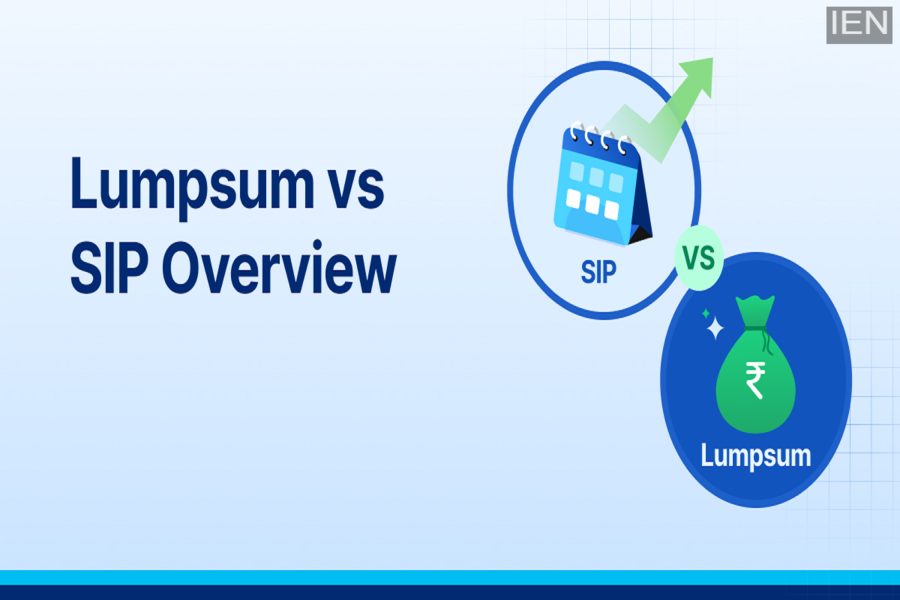
SIP or Lump Sum: Everyone wants to invest in the right place for the future. In this context, SIP and Lump Sum are two investment options that can help you build a robust financial corpus for your future. Read on to find out how.
Which is Better—SIP or Lump Sum? Every individual aims to make their future financially secure and strong. To achieve this, people adopt various strategies; while some set aside a portion of their monthly salary as savings for the future, others prefer to invest. However, even today, many people remain unsure about where and how they should invest. In this scenario, SIP (Systematic Investment Plan) and Lump Sum emerge as two viable options through which individuals can build a strong financial foundation for their future.
What is a SIP?
A SIP is an investment method wherein an investor invests a fixed amount into a mutual fund every month. Under this method, investors contribute small amounts on a regular basis. Over time, this approach offers the benefit of compounding while simultaneously keeping the investment risk relatively low. This method is particularly well-suited for salaried individuals and first-time investors.
- Money is invested automatically every month.
- You can start with a small initial amount.
- It has the potential to generate good returns over the long term.
- The impact of market volatility and fluctuations is minimized.
What is a Lump Sum Investment?
On the other hand, a Lump Sum investment involves investing a large sum of money all at once—either in a mutual fund or in other assets (such as stocks, gold, or real estate). While this approach can yield higher returns if invested at the right time, it also carries the risk of significant losses should the market decline. Simply put, a Lump Sum is an ideal option for individuals who possess a substantial amount of capital at their disposal and wish to deploy it strategically at an opportune moment.
- The entire amount is invested in a single transaction.
- It offers the potential for higher returns (provided the timing is right).
- The risk of financial loss is significantly higher if the market experiences a downturn.
Which is Better: SIP or Lump Sum?
Now, let's determine which is ultimately the better option: SIP or Lumpsum? This depends entirely on your investment capacity and current market conditions. If you prefer to invest small amounts on a monthly basis while keeping your risk exposure low, an SIP would be the superior choice for you, as it yields stable and healthy returns over the long term. Conversely, if you possess a substantial sum of money and the market is currently experiencing a downturn, a lumpsum investment could prove more profitable; however, you must also bear in mind that this approach entails a higher level of risk. Consequently, most people tend to regard the SIP as the safer and more favorable option.
