
Silver Hits Record High Again, Gains 15% So Far in 2026 on Strong Demand and Supply Crunch
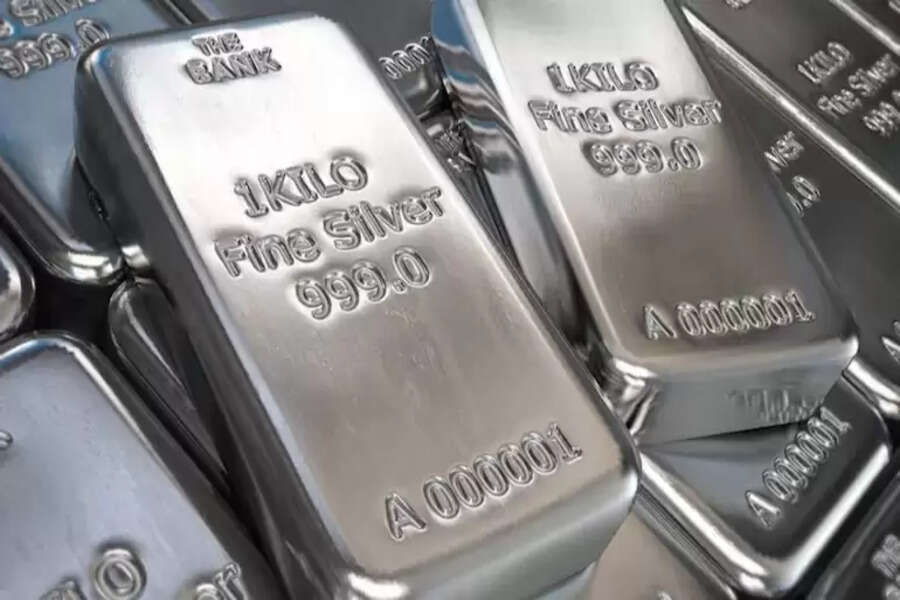
Silver prices have once again created history in the global commodities market. On January 7, silver touched a fresh all-time high of $83.62 per ounce, extending its strong rally into the new year. Since the beginning of 2026, the precious metal has already gained nearly 15 percent, driven by a combination of tight supply conditions, rising industrial consumption, and a supportive global macroeconomic environment.
According to brokerage firms and industry reports, silver’s rally is not limited to short-term speculation. Instead, it is being backed by strong structural factors that continue to support prices across international and domestic markets.
Industrial Demand Keeps Silver in Focus
Market analysts point out that silver is currently benefiting from robust industrial demand, especially from sectors linked to the global energy transition. Solar power, electric vehicles, electronics, and automotive components have emerged as major consumers of silver in recent years.
Experts from Axis Securities highlight that consistent investment flows through silver exchange-traded funds (ETFs) are also adding strength to prices. With countries accelerating their shift toward clean energy solutions, silver’s role as a critical industrial metal has become more prominent than ever.
In India, government-led initiatives to rapidly expand solar power capacity have further boosted domestic silver consumption. The growing use of silver in manufacturing solar panels has provided additional support to demand, reinforcing the metal’s long-term growth outlook.
Supply Constraints Continue to Tighten the Market
On the supply side, conditions remain challenging. Data cited from the Silver Institute in multiple brokerage reports indicate that the global silver market has been running in a structural deficit for the fifth consecutive year. This means overall demand continues to outpace supply.
One of the key reasons behind this imbalance is the nature of silver production. Nearly 70 percent of global silver output comes as a by-product of mining other metals such as copper, lead, and zinc. As a result, even rising prices do not immediately lead to a sharp increase in silver production.
Additional constraints such as declining ore grades, limited recycling activity, and flat mine output have further restricted availability. Reports also suggest that silver inventories in major hubs like London, China, and the United States are hovering near multi-year lows.
Policy Risks Add to Supply Concerns
Research reports from InCred Money and Axis Securities warn that potential policy tightening by China on silver exports could pose additional risks to global supply. Any move to restrict exports may reduce availability in international markets, potentially deepening the existing deficit and pushing prices higher.
Macro Factors Provide Additional Support
Silver has also found support from broader economic trends. A weaker US dollar and expectations of future interest rate cuts by the US Federal Reserve have improved sentiment toward precious metals. Historically, lower global yields tend to enhance the appeal of non-yielding assets such as silver.
In the domestic market, fluctuations in the rupee against the dollar continue to influence silver prices on commodity exchanges, adding another layer of volatility.
Investor Interest Shows Signs of Revival
After a prolonged phase of ETF outflows, investment demand for silver is showing signs of recovery. Recent months have witnessed renewed inflows into silver ETFs, helping offset earlier selling pressure.
Analysts believe that ongoing geopolitical uncertainty and rising global debt levels are encouraging investors to look at silver not only as an industrial metal but also as a partial safe-haven asset.
Outlook Remains Positive Despite Volatility
According to outlook reports from InCred Money and Tata Mutual Fund, silver’s medium- to long-term trend remains positive. However, experts caution that periods of consolidation or profit booking may occur after the sharp rally, particularly if there are changes in margin requirements or signals related to US interest rates.
