
Silver Hallmarking Likely to Become Mandatory Soon, Over 23 Lakh Silver Items Already Certified
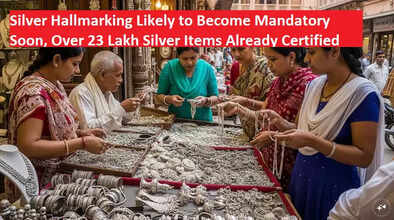
Consumers who regularly purchase silver jewellery and articles may soon get much-needed relief regarding purity and quality. The Bureau of Indian Standards (BIS) has indicated that silver hallmarking could become mandatory in the future, similar to gold hallmarking, once the required infrastructure is fully in place.
Currently, silver hallmarking is optional, but the response has been encouraging. Under the HUID-based hallmarking system, silver jewellery and articles have been certified since September 1. As of now, more than 23 lakh silver items across the country have already been hallmarked, reflecting growing awareness among consumers and jewellers alike.
BIS Signals Move Towards Mandatory Silver Hallmarking
Speaking at the 79th Foundation Day of BIS on January 6, BIS Director General Sanjay Garg said that hallmarking is introduced primarily to protect consumer interests. According to him, hallmarking ensures transparency and guarantees the purity of precious metals, helping buyers make informed decisions.
While gold hallmarking is already mandatory in many parts of the country, silver is still under a voluntary framework. However, BIS officials have clearly hinted that mandatory silver hallmarking is under consideration, and the transition will take place only after testing infrastructure, hallmarking centres, and compliance systems are fully prepared.
How Hallmarking Protects Consumers
Hallmarked silver jewellery carries key information that assures authenticity and purity. This includes:
-
The purity or fineness of the metal
-
The BIS logo, which certifies government approval
-
The jeweller’s identification mark
-
In many cases, a unique HUID number
These details allow customers to verify the quality of silver before purchasing. Hallmarking significantly reduces the risk of adulteration, underweight products, and misrepresentation, which have long been concerns in the silver jewellery market.
Sanjay Garg emphasised that consumers should receive exactly the quality they pay for. He added that quality standards play a crucial role in determining whether an economy is developing or developed, and BIS remains committed to ensuring safe and reliable products for the public.
Silver Hallmarking Gains Momentum
Although silver hallmarking is not compulsory yet, its adoption is steadily increasing. Industry experts believe that rising silver prices and growing investment interest have made buyers more cautious, encouraging them to opt for certified products.
With silver increasingly used for jewellery, utensils, and gifting purposes, hallmarking offers added confidence to consumers, especially during weddings and festive seasons when purchases peak.
Gold Hallmarking Sets the Precedent
Gold hallmarking in the country has already achieved large-scale success. BIS data shows that gold hallmarking is mandatory in 373 districts, and so far, over 58 crore gold jewellery items have been hallmarked. Currently, more than one crore gold items are being hallmarked every month, indicating strong compliance and acceptance.
This successful rollout of gold hallmarking is often cited as the model for silver. Experts believe that once silver hallmarking becomes mandatory, it will bring uniformity, trust, and better price transparency across the silver market.
What Lies Ahead
While no official date has been announced, the clear direction from BIS suggests that silver hallmarking may soon move from optional to mandatory. Consumers are advised to prefer hallmarked silver even now, as it ensures purity, resale value, and long-term reliability.
For jewellers, the shift may involve operational adjustments, but in the long run, it is expected to enhance credibility and consumer trust in the silver jewellery segment.
