
Service Charge: Has a service charge been added to your restaurant bill? Find out how you can save your money..
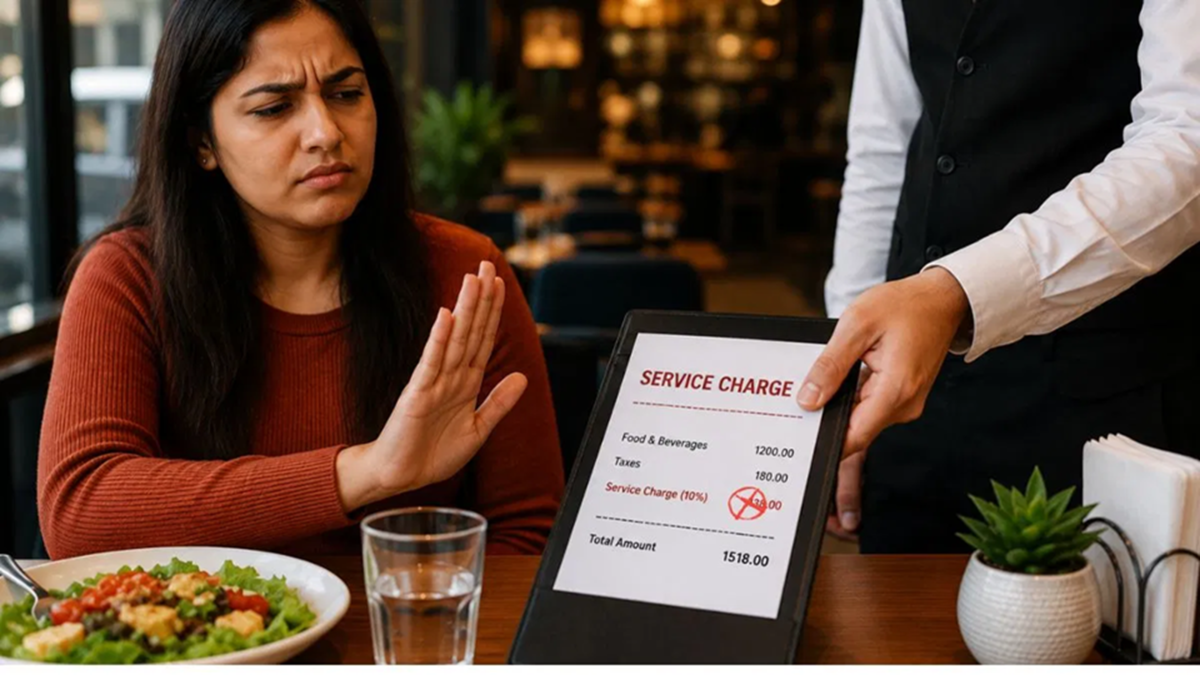
Service Charge: When dining out with family or friends on weekends, the bill often includes a 'service charge' ranging from 5% to 10%. Customers frequently ask for this to be removed, but restaurant staff often refuse, claiming it is mandatory. This raises the question: can restaurants forcibly collect a service charge from customers?
This issue is back in the spotlight after Union Consumer Affairs Minister Pralhad Joshi recently clarified that the mandatory collection of service charges by restaurants violates regulations. Strict action will be taken against those who do so.
Government's Stern Warning
Pralhad Joshi stated that he has taken this matter seriously and instructed relevant officials to take strict action. He warned that restaurants persisting with this illegal practice would not only face heavy fines but could also suffer reputational damage.
The government's stance comes as the Central Consumer Protection Authority (CCPA) has initiated action against 41 restaurants across the country, including popular chains like Chaayos and Barbeque Nation. Complaints had been received regarding these restaurants automatically adding service charges to customers' bills without their consent.
What is a Service Charge?
A service charge is not a government tax; it is an additional amount that restaurants collect from customers in exchange for the services provided by their staff. Typically, it amounts to 5% to 10% of the total bill. This amount is separate from GST; while GST is deposited with the government, the service charge is retained by the restaurant. Different restaurants distribute this amount among their staff in various ways.
Can restaurants force you to pay a service charge?
According to government guidelines, the answer is... no. In guidelines issued in 2022, the CCPA clarified that no restaurant can automatically add a service charge to a customer's bill. It cannot be termed mandatory or compulsory. If a customer refuses to pay it, they cannot be denied service or entry into the restaurant. The government maintains that the decision to pay a service charge—or not—should rest entirely with the customer.
Why, then, is the service charge still being levied?
Following the issuance of guidelines by the CCPA, several restaurant associations challenged them in court. They argue that the service charge is part of their pricing policy and that customers are informed about it beforehand via the menu card or notices displayed in the restaurant. They contend that if a customer proceeds to dine after seeing this information, they have effectively accepted these terms.
However, the central government asserts that merely displaying information on a menu or notice board does not grant the right to impose an additional charge on the customer. As the matter is currently sub judice (pending in court), many restaurants continue to levy the service charge.
What did the Delhi High Court say?
During the hearing, the Delhi High Court remarked that making the service charge mandatory could be considered an 'Unfair Trade Practice.' The court questioned whether restaurants could compel customers to pay an additional amount over and above the listed price and applicable taxes. However, a final verdict on the matter is yet to be delivered.
Does stating 'Service Charge Applicable' on the menu make payment mandatory?
The answer is no. Many restaurants display notices regarding the service charge on their menus or within their premises. Restaurant associations argue that this constitutes prior notification. However, consumer protection authorities believe that mere notification does not strip the customer of their right to refuse payment of a mandatorily imposed service charge.
Can a restaurant stop you if you do not pay the service charge?
According to CCPA guidelines, absolutely not. A restaurant cannot deny entry to a customer simply because they do not wish to pay the service charge. Furthermore, pressuring, intimidating, or preventing a customer from leaving the restaurant until the service charge is paid is also against the rules.
What should you do if the restaurant refuses to waive the service charge?
If you feel the service charge has been levied unfairly, first politely request its removal and ask for a revised bill. If the restaurant refuses, retain a copy of the bill and file a complaint with the National Consumer Helpline or the relevant consumer commission. Recently...
Disclaimer: This content has been sourced and edited from Money Control. While we have made modifications for clarity and presentation, the original content belongs to its respective authors and website. We do not claim ownership of the content.
