
Separate recharge plans for high-speed 5G? Proposal under consideration
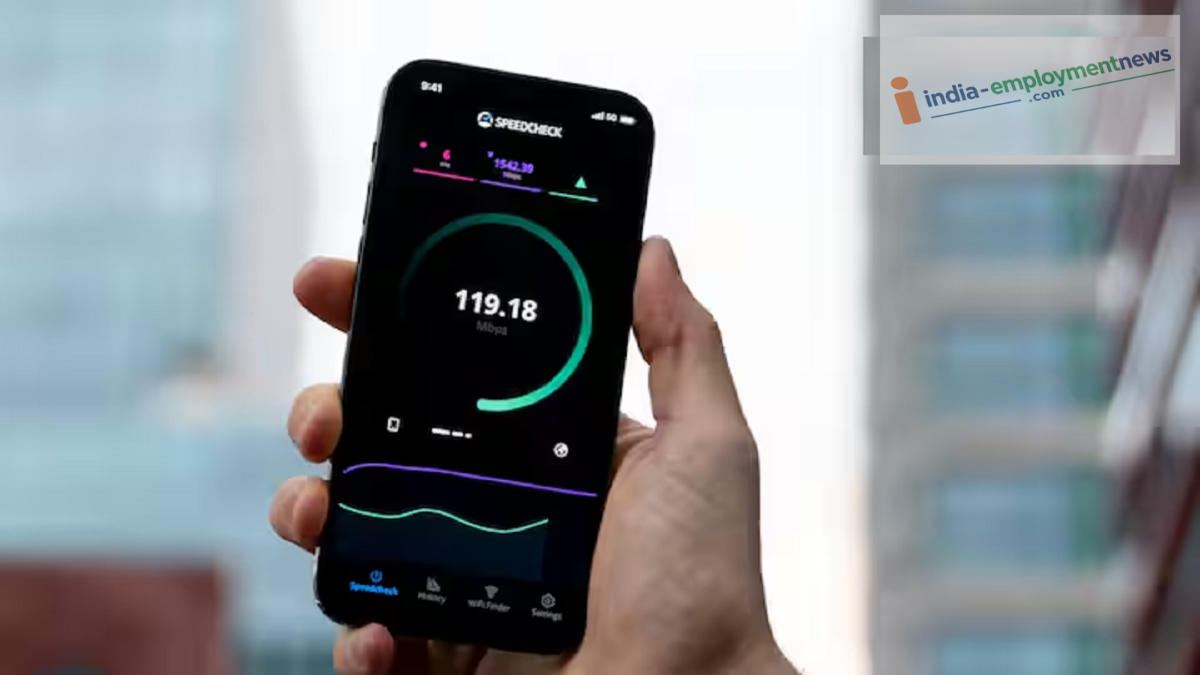
TRAI has released draft regulations that would allow telecom companies to offer distinct recharge plans for 4G and 5G services. These rules are not yet in effect; public opinion is currently being sought regarding them.
You might soon have to pay more for 5G recharge plans. This follows TRAI's release of draft regulations that could permit telecom companies to offer plans with different pricing structures for 4G and 5G services. If approved, companies would be able to introduce separate recharge plans for these services—a practice that does not currently exist.
If implemented, these rules would allow you to choose a plan for 4G or 5G services based on your preference. While companies would have the option to introduce separate plans, they must ensure that service quality does not deteriorate and that users are not adversely affected. TRAI has invited public suggestions on these new rules, with a submission deadline of August 26.
The proposed rules would allow companies to utilize "5G network slicing" technology. This technology splits a single network into multiple virtual networks. Network slices can be created for specific user groups or purposes, and each slice can be sold as a distinct tariff plan. In India, Airtel is currently using this technology, a move that has previously sparked controversy.
TRAI has also prioritized consumer interests in the proposed regulations. The rules aim to ensure that customers paying for premium plans do not utilize the network resources allocated to regular subscribers. Provisions have also been included to prevent network congestion and maintain service quality. In other words, services for regular users cannot be curtailed to accommodate premium customers.
If the new rules are implemented, telecom companies will be required to clearly specify the expected upload and download speeds for every recharge plan. Companies could face difficulties if customers receive speeds that are 80 percent lower than what was promised. In such instances, companies must inform the affected users and resolve the issue as quickly as possible.
Non-compliance with these regulations will prove costly for companies; violations could attract fines ranging from ₹2 lakh to ₹10 lakh. Companies will also be required to compensate customers in the event of service outages. If a service remains unavailable for more than 24 hours, companies may have to offer rental rebates to postpaid customers and extend the validity period for prepaid users.
The number of telecom subscribers in India has reached 1.3 billion. Jio is India's largest telecom company, with a user base of 533 million (53.3 crore), including 285 million (28.5 crore) 5G users. Meanwhile, Airtel has 483 million (48.3 crore) users. Vi and BSNL rank as the country's third and fourth-largest telecom companies, respectively. Currently, BSNL is the only company that has not yet rolled out 5G connectivity in the country.
The number of active internet users in India is nearing the one-billion mark. An annual growth rate of approximately 8 percent has been observed. With a user base of around 960 million (96 crore), India is on track to become the world's largest and fastest-growing digital market. Approximately 57 percent of the country's total internet users reside in rural areas.
