
Secured vs Unsecured Loans: Lower Interest or No Collateral? Know the Complete Difference Before Borrowing
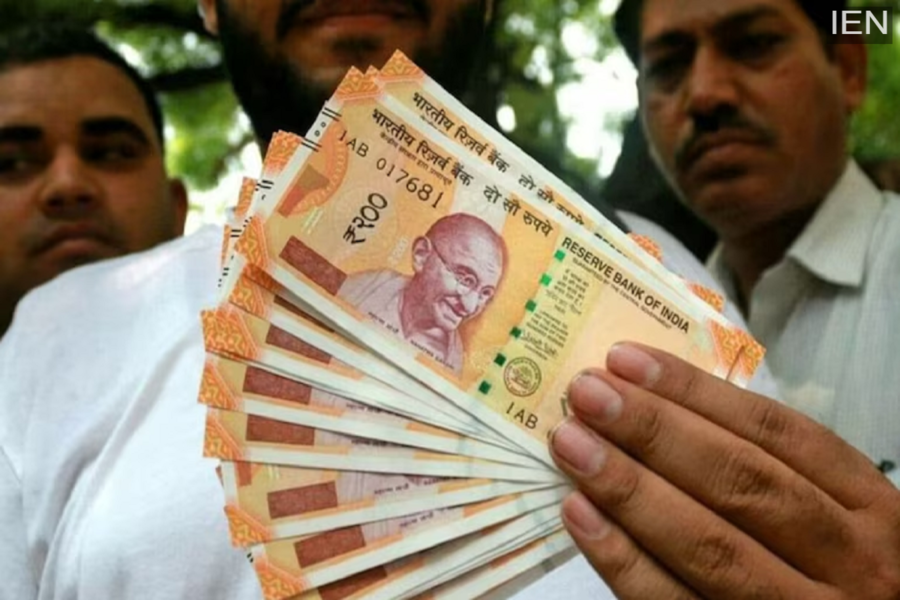
Taking a loan for a house, vehicle, education, business, or personal needs has become a normal part of modern financial life. However, one of the most important decisions borrowers face is choosing between a secured loan and an unsecured loan. Both options serve different purposes and come with their own benefits and risks. Making the wrong choice can increase your financial burden, while the right decision can help you manage repayments comfortably and stay within your budget.
Understanding the full difference between secured and unsecured loans is essential before committing to any form of borrowing.
What Is a Secured Loan?
A secured loan is a loan in which the borrower provides an asset as collateral to the bank or financial institution. This collateral can include a house, land, gold, fixed deposit (FD), or vehicle. If the borrower fails to repay the loan or defaults on EMIs, the lender has the legal right to sell the pledged asset to recover the outstanding amount.
Because the lender’s risk is lower, secured loans usually come with lower interest rates, typically ranging between 8% and 12% per annum. Borrowers can also access larger loan amounts, sometimes running into crores, along with long repayment tenures of 15 to 25 years.
Common Examples of Secured Loans
-
Home Loan
-
Car Loan
-
Loan Against Property
-
Gold Loan
Advantages of Secured Loans
-
Lower interest rates, making EMIs more affordable
-
Higher loan eligibility and longer repayment period
-
Approval is relatively easier, even with an average credit score
-
Suitable for long-term financial goals such as buying a home or expanding a business
Disadvantages of Secured Loans
-
Risk of losing the pledged asset in case of default
-
Longer processing time (15–30 days) due to asset valuation and legal checks
-
More documentation compared to unsecured loans
Secured loans are best suited for planned, long-term expenses where repayment stability is expected.
What Is an Unsecured Loan?
An unsecured loan does not require any collateral. Instead, banks and NBFCs evaluate the borrower’s income, employment stability, and credit (CIBIL) score to assess repayment capacity. Since the lender takes a higher risk, unsecured loans carry higher interest rates, usually ranging from 12% to 30% per annum.
The loan amount is relatively limited, often up to ₹50 lakh, and the repayment tenure is shorter, generally between 1 and 5 years. A strong credit score (usually 750 or above) plays a crucial role in approval and interest rate determination.
Common Examples of Unsecured Loans
-
Personal Loan
-
Credit Card Loan
-
Education Loan (in some cases)
Advantages of Unsecured Loans
-
Fast approval and disbursal, often within 1–2 days
-
No asset is put at risk
-
Minimal paperwork and quick processing
-
Ideal for emergency needs such as medical expenses or weddings
Disadvantages of Unsecured Loans
-
Higher interest rates, leading to expensive EMIs
-
Lower loan amount and shorter tenure
-
Approval depends heavily on credit score and income profile
Unsecured loans are best used for short-term or urgent financial needs.
Interest, EMI, and Choosing the Right Loan
The difference in interest rates can significantly impact the total repayment amount. For example, a ₹10 lakh home loan at 9% interest will cost much less over time compared to a ₹10 lakh personal loan at 15% interest. This is why secured loans are more economical for large, long-term borrowing.
However, if you do not have an asset to pledge or need money urgently, an unsecured loan may be the only practical option.
Smart Borrowing Tips
-
Ensure your total EMIs do not exceed 50% of your monthly income
-
Always compare interest rates, processing fees, and prepayment charges
-
Use an EMI calculator to plan repayments accurately
-
Pay EMIs on time to maintain a healthy credit score
-
Seek advice from financial experts or use trusted fintech platforms
Final Verdict: Which Loan Should You Choose?
-
Choose a secured loan for long-term goals like buying a house or funding a large business requirement, where lower interest and longer tenure matter.
-
Choose an unsecured loan for short-term or emergency needs, when speed and convenience are more important than cost.
Both secured and unsecured loans have their place in financial planning. The key lies in matching the loan type with your financial goals, risk tolerance, and repayment capacity. A well-informed decision can help you borrow smartly and stay financially secure in the long run.
