
Scanning a QR Code Anywhere? Check These 3 Things First—Or You Could Face Heavy Losses
QR Code Safety Tips: Make sure to verify these points before scanning a QR code; otherwise, you risk falling victim to fraud. By observing these simple precautions, you can protect yourself from major scams.
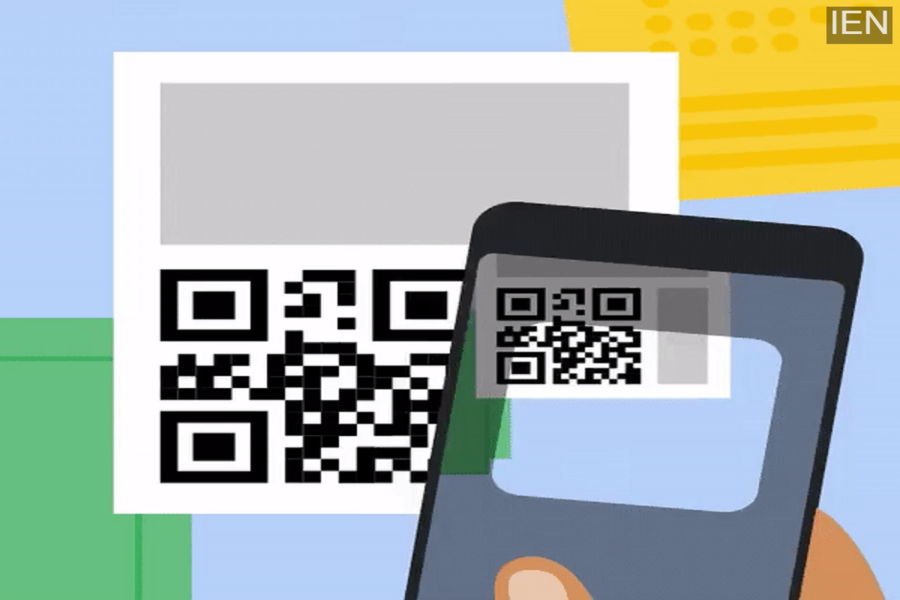
QR Code Safety Tips: Nowadays, the payment process has become so effortless—you simply pick up your mobile phone, scan a QR code, and the money is transferred. However, this very convenience has now become the most potent weapon for fraudsters. People often scan codes indiscriminately without a second thought—and that is precisely where the mistake occurs. This is especially true when the person on the other side tells you to “scan this to receive money.”
The truth is that QR codes are designed for sending money, not for receiving it. If one grasps this fundamental concept, half of all scams could be eliminated right there. Therefore, the next time you are about to scan a code, make sure to verify these three essential points. Otherwise, you could find yourself in serious trouble.
Check This First
Are you sending money, or is the transaction intended for receiving it? This is where the biggest confusion arises, and it is precisely what scammers exploit. Often, people act impulsively—either out of haste or greed—and end up taking the wrong step. Therefore, keep the following points in mind:
- A QR code is always used for sending money, never for receiving it.
- If someone tells you to “scan this to receive money,” become alert immediately.
- You never need to enter your UPI PIN to receive money.
- The moment you enter your PIN, you are effectively authorizing an outgoing payment from your account.
- If you are required to enter a PIN after scanning a code anywhere, understand that the money will be deducted from your account—it will not be credited to it.
Is the QR Code Genuine or Tampered With?
In recent times, the prevalence of fake QR codes has surged rapidly. Scammers often paste their own fraudulent stickers over the genuine QR codes displayed at shops, and people end up scanning them without looking closely.
- Be cautious if the code appears peeling, crooked, or looks like it has been pasted over another surface.
- Pay extra attention when scanning codes in public places, such as petrol pumps or retail shops. After scanning, be sure to verify the name displayed against the shopkeeper’s name.
- If the name appears to belong to a personal account, stop immediately.
- A little bit of vigilance can save you from falling victim to a major fraud. Haste is your greatest enemy in such situations.
Do Not Fall for the Bait; Understand the Tricks
Scammers no longer operate directly; instead, they play mind games. They employ tactics designed to make the victim trap themselves.
- Messages such as “Payment Pending” or “You Will Receive a Reward” are frequently sent.
- QR codes are sent under the pretext of making a purchase on online platforms.
- Upon scanning, you are led to believe that you will receive money, but in reality, funds are deducted from your account.
- Often, pressure is applied—via calls or messages—to force you into making a hasty decision.
- Remember: No legitimate transaction ever requires you to scan a QR code in order to receive money. If you pause for a moment to think it through, avoiding scams becomes much easier.
