
Scam Alert: Scammers are eyeing your PAN card! Is a fake loan being issued in your name?
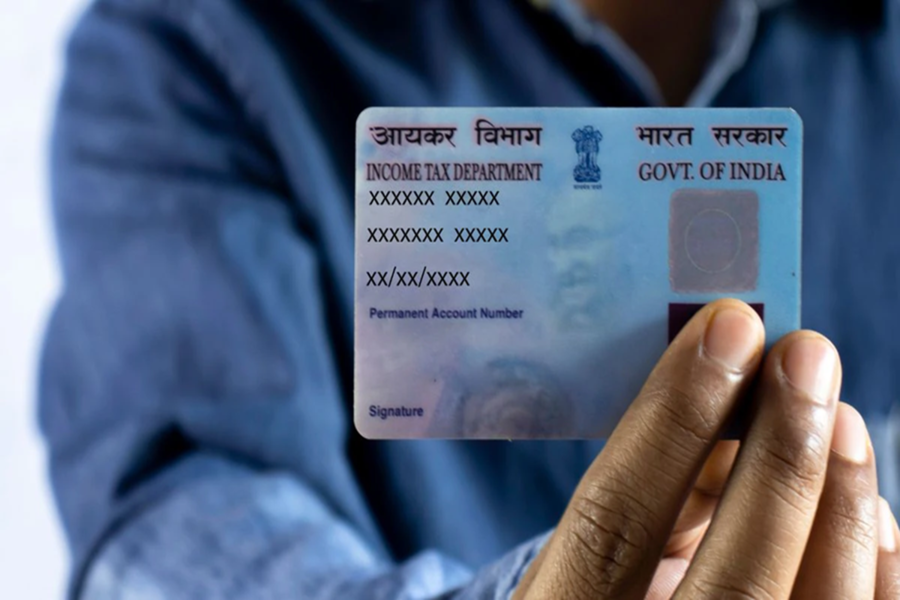
Misuse of your PAN is usually not automatically detected. You only discover it when a bank calls, a loan application is rejected, or your credit score suddenly drops. The good news is that you don't need an insider or contact to verify it. A few routine checks can give you a fairly clear idea of whether you have any loans in your name.
First, check your credit report.
Every loan taken using your PAN should appear in your credit history. This includes personal loans, credit cards, education loans, buy-now-pay-later lines, and some app-based microloans. You can obtain a free credit report annually from any credit bureau operating in India. After downloading it, go directly to the Accounts or Credit Facilities section. This list lists every loan and credit card linked to your PAN. If you see a loan you don't recognize, immediately note three things: the lender's name, the loan's inception date, and the outstanding amount. These details will be useful later.
Don't Ignore Inquiry Records
Even if you don't receive a loan, loan applications leave a mark. In your credit report, check the Inquiries or Credit Checks section. If you see multiple loan inquiries from banks or apps you've never contacted, this is often the first sign that your PAN details are being misused or shared. One or two individual inquiries may be inaccurate.
Check Your Credit Score Behavior
A sudden drop in your score without any apparent reason is a red flag. New loans, missed EMIs, or loan inquiries can also lower your score. If your spending habits haven't changed but your score has changed, assume something needs to be checked instead of waiting.
Check Messages You May Have Ignored
Banks and NBFCs often send SMS or email alerts when a loan account is created or an EMI is due. Many people miss these because the sender's name sounds common or the message ends up in spam. Search your inbox and SMS history for loan-related keywords. It's a good idea to investigate even a single unknown EMI alert.
Take immediate action if you receive a loan that isn't yours.
First, raise the dispute through the credit bureau's online dispute option. Mark the loan as "not mine" or "fraudulent." This creates a formal record.
Second, contact the lender whose name appears in the report. Ask for details of the KYC documents used and flag the account as an identity fraud case. Follow up in writing.
Third, file a complaint with the cybercrime portal. Misuse of PAN is considered identity fraud, and having a complaint number strengthens your case with both lenders and bureaus.
Consider freezing the damage.
If you suspect continued misuse, you can place a temporary credit freeze or alert with the credit bureaus. This makes it difficult for anyone to obtain new loans in your name without additional verification. It's a hassle, but much less painful than having to clean up multiple fraudulent loans later.
Why does this happen so often?
PAN copies are widely shared for jobs, investments, KYC, and basic paperwork. A careless upload or data leak is often enough. Most misuse cases aren't major hacks, but simply the surreptitious reuse of leaked information.
A habit that helps:
Check your credit report at least once a year, even if you're not planning to borrow. This is the only reliable way to know what financial transactions are going on in your name. PAN misuse is stressful, but if caught early, it can be corrected. Silence and delay only make a small problem grow into a serious one.
Disclaimer: This content has been sourced and edited from TV9. While we have made modifications for clarity and presentation, the original content belongs to its respective authors and website. We do not claim ownership of the content.
