
SBI New Rule: Attention SBI customers! Withdrawing cash from ATMs and branches has become costlier; new rule effective October 1..
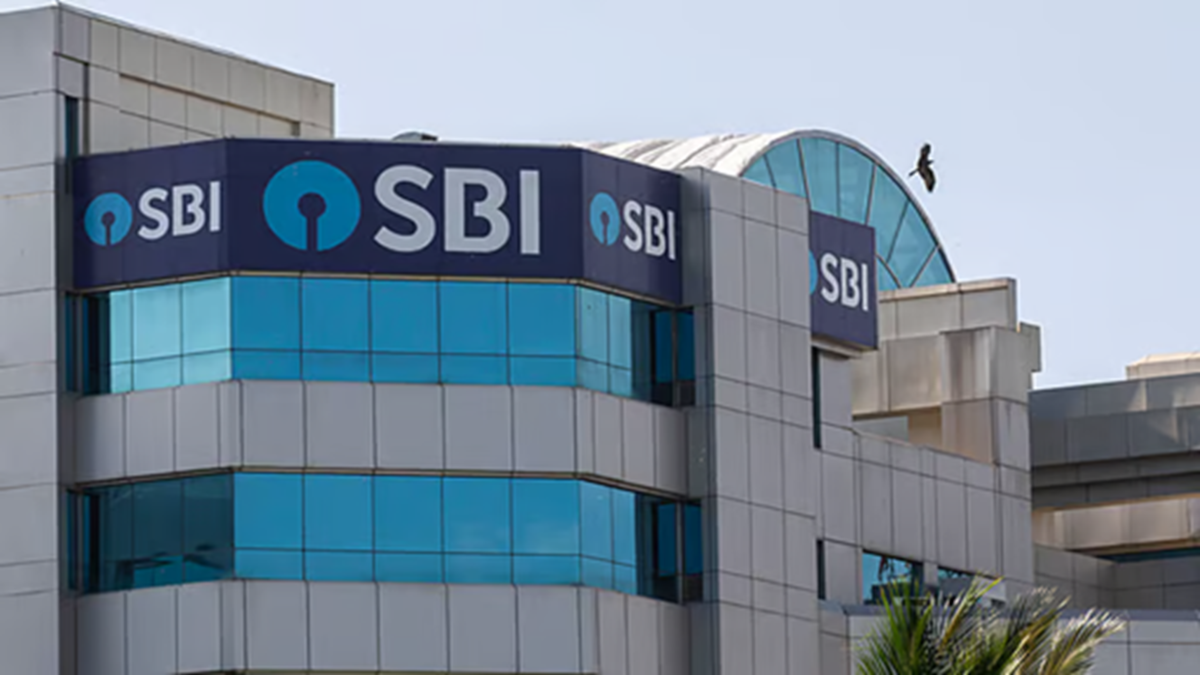
SBI Cash Withdrawal Rule: The country's largest public sector bank, State Bank of India (SBI), has made a significant change to its cash withdrawal rules for its millions of customers. This new rule is set to come into effect on October 1, 2026. If you hold a Basic Savings Bank Deposit (BSBD) account—such as a Jan Dhan account or a zero-balance basic savings account—opened at an SBI branch, this news is crucial for you.
The bank will now levy extra charges if you exceed the prescribed limit for cash withdrawals from bank branches or ATMs. Let us explain how this new SBI rule will impact your pocket.
What is changing from October 1? Understanding the charges
According to a public notice issued by SBI, holders of BSBD accounts opened through the branch channel will be entitled to a limited number of free cash withdrawals each month:
4 Free Transactions: Account holders can withdraw cash up to 4 times a month without any charge, whether via ATM or at a branch.
Penalty from the 5th Transaction: Exceeding 4 cash withdrawals in a month will incur a charge of ₹15 + GST (18%) per transaction.
Under the new rule, if you withdraw cash 5 times in a month, the first 4 transactions will remain free, but you will have to pay ₹15 plus GST (approximately ₹17.70) for the 5th transaction. Similarly, a charge of ₹15 plus GST will be deducted again for the 6th withdrawal.
Will charges apply to digital payments (UPI) as well?
If you rely more on online transactions than cash withdrawals, there is good news for you. SBI has clarified that this rule will not affect digital payments.
Online payments made via UPI, internet banking, mobile banking, or NEFT/RTGS will remain completely free and unlimited, just as before. No matter how many times you transfer money or shop using digital modes in a month, no additional charge of ₹15 will be levied.
What is a Basic Savings Bank Deposit (BSBD) account? A BSBD account is a special type of savings account primarily introduced to extend banking services to all sections of society. There is no requirement to maintain a minimum balance in this account. While it generally offers basic facilities similar to standard savings accounts, there is a limit on free cash transactions.
Useful advice for SBI customers:
If you withdraw cash from a branch after October 1, 2026, keep track of your four monthly free transactions to avoid unwanted charges. Opt for UPI or card payments as much as possible instead of withdrawing cash, so you do not have to pay any extra charges.
Disclaimer: This content has been sourced and edited from Money Control. While we have made modifications for clarity and presentation, the original content belongs to its respective authors and website. We do not claim ownership of the content.
