
Saving 500 kg of LPG and 2,500 litres of diesel daily: Railways signs deal with IGL
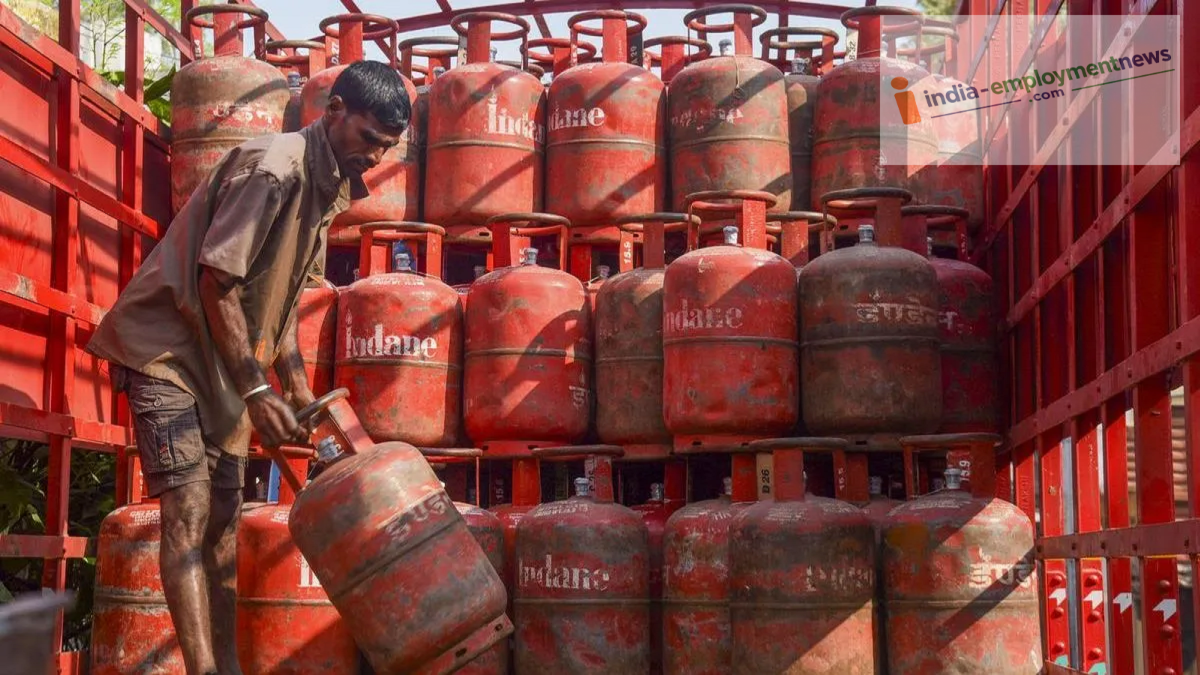
A major agreement has been reached between the Railways and Indraprastha Gas Limited (IGL), under which Piped Natural Gas (PNG) will now be used in place of LPG and diesel at 22 railway locations across the Delhi-NCR region.
The government is consistently taking necessary steps to promote the use of PNG (Piped Natural Gas). As part of this initiative, a significant deal has been signed between Indraprastha Gas Limited (IGL) and the Delhi Division of Northern Railway. Under this arrangement, PNG will replace LPG and diesel at 22 railway facilities in the Delhi-NCR area.
Initially, the plan involves a daily supply of approximately 3,000 Standard Cubic Metres (SCMD) of gas. This will result in a daily reduction in the consumption of about 500 kg of LPG and 2,500 litres of diesel.
Where will it be used?
Under this scheme, PNG will be used to operate boilers in five major laundries located at Delhi Sarai Rohilla, Old Delhi, Anand Vihar Terminal, Hazrat Nizamuddin, and New Delhi railway stations. Additionally, railway kitchens, officers' rest houses, staff quarters, running rooms, and other facilities will also be connected to the PNG network. This initiative will be implemented across railway locations in Delhi, Ghaziabad, and Gautam Buddh Nagar.
Increase in gas supply
With this agreement, IGL anticipates that the demand for gas at these railway establishments could rise to between 8,000 and 10,000 SCMD daily in the coming years. To accommodate this, the gas pipeline network and connectivity will be expanded.
IGL Chairman Shubhankar Sen stated that this agreement will promote the use of natural gas in place of LPG within the railway network. This will help reduce dependence on imported fuels and may also decrease the burden of government subsidies. Meanwhile, Pushpesh Raman Tripathi, Divisional Railway Manager for the Delhi Division, stated that the use of PNG will help reduce the Railways' energy expenditure. There are also plans to provide PNG connections to railway hospitals and residential colonies for staff in the future.
Why was this deal made?
It is worth noting that the government is making consistent efforts to increase the adoption of PNG connections across the country. The objective is to reduce India’s dependence on other nations for LPG. By shifting to natural gas, the country would no longer need to rely on LPG imports, as its supply requirements could be met through natural gas instead. This ensures that in the event of any adverse circumstances in the future, the country would not face a gas shortage, and prices would remain under control.
