
Salary vs. EMI: Does your account get drained by EMIs as soon as your salary arrives? Follow these 3 easy steps..
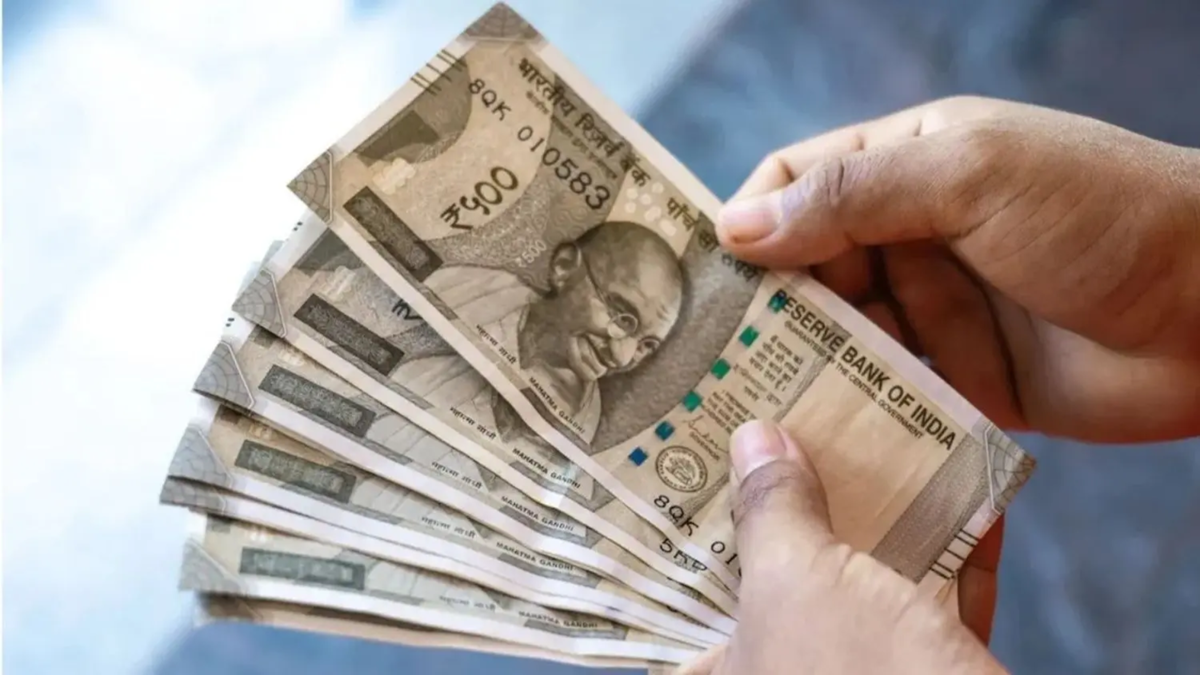
Debt Management Tips: You receive a notification that your salary has been credited on the first of the month, yet within hours—after EMIs are deducted—your account starts looking empty. If a significant portion of your salary goes toward personal loan, credit card, and home loan installments, managing daily expenses becomes a challenge, let alone saving money.
In such situations, people often resort to taking out another loan or using a credit card to handle emergency expenses, trapping them in a serious "debt trap."
The Reserve Bank of India (RBI) frequently warns in its financial literacy campaigns that taking a new loan to repay an existing one can prove very dangerous. If you are struggling under the pressure of EMIs, you can regain control of your financial situation by following these three simple steps.
A 3-Step Formula to Ease Debt Pressure
Step 1: Track where your money goes and pay off high-cost debt first
Before devising any strategy, you need a clear picture of your current financial situation. List down every EMI, total credit card outstanding balance, utility bills, and fixed expenses like groceries and rent on paper. Interest rates on credit card debt and personal loans are very high, whereas home loans or car loans are comparatively cheaper.
Instead of trying to pay off all debts simultaneously, aim to clear the most expensive debt (high-interest loan) first. Continue paying only the minimum EMI for other debts and use any extra savings to pay off the high-interest loan.
Step 2: Build a small cash buffer
When the budget is already tight, saving even ₹1,000 or ₹2,000 a month can seem difficult. However, these small savings act as a shield. In the event of a sudden medical emergency or a vehicle breakdown, the lack of an emergency fund often forces you to rely on credit cards again. The Reserve Bank believes that every household should maintain a small cash buffer to avoid taking on new debt during emergencies. Start by building a small buffer of ₹5,000 to ₹10,000, then gradually increase it to cover 3–6 months of essential expenses.
Step 3: Use salary increments or bonuses wisely
Whenever you receive a salary hike, a bonus, or a tax refund during the year, avoid the mistake of spending the entire amount on new hobbies or lifestyle upgrades. Allocate at least 50% to 70% of this extra money toward repaying the principal amount of your most expensive loan. This significantly reduces the interest payable in the future.
Before prepaying a loan, be sure to check your bank's rules and prepayment charges. Under RBI regulations, banks are required to transparently disclose prepayment charges in the loan terms.
Never take out a new loan to pay off an old one!
People often resort to loan consolidation or refinancing to lower their EMIs. They are often attracted when a bank offers a lower EMI on a new loan. However, keep in mind that the EMI appears lower simply because the loan tenure has been extended.
While extending the loan tenure might reduce your monthly installment, the total interest paid to the bank increases substantially. Furthermore, late payments not only incur late fees and additional interest but also damage your CIBIL score, making it difficult to secure emergency loans in the future.
What is the best loan repayment strategy?
The path out of a debt trap lies not in a magical formula, but in sound financial discipline. As you gradually pay off your EMIs, the money saved becomes the foundation for your future savings and investments. The first goal is to prevent the situation from worsening, and the second is to use every extra rupee as a means to get out of debt rather than sinking it into new loans.
Disclaimer: This content has been sourced and edited from Money Control. While we have made modifications for clarity and presentation, the original content belongs to its respective authors and website. We do not claim ownership of the content.
