
Salary Saving Tips: Do you run out of money as soon as your salary arrives? Try these 5 easy ways..
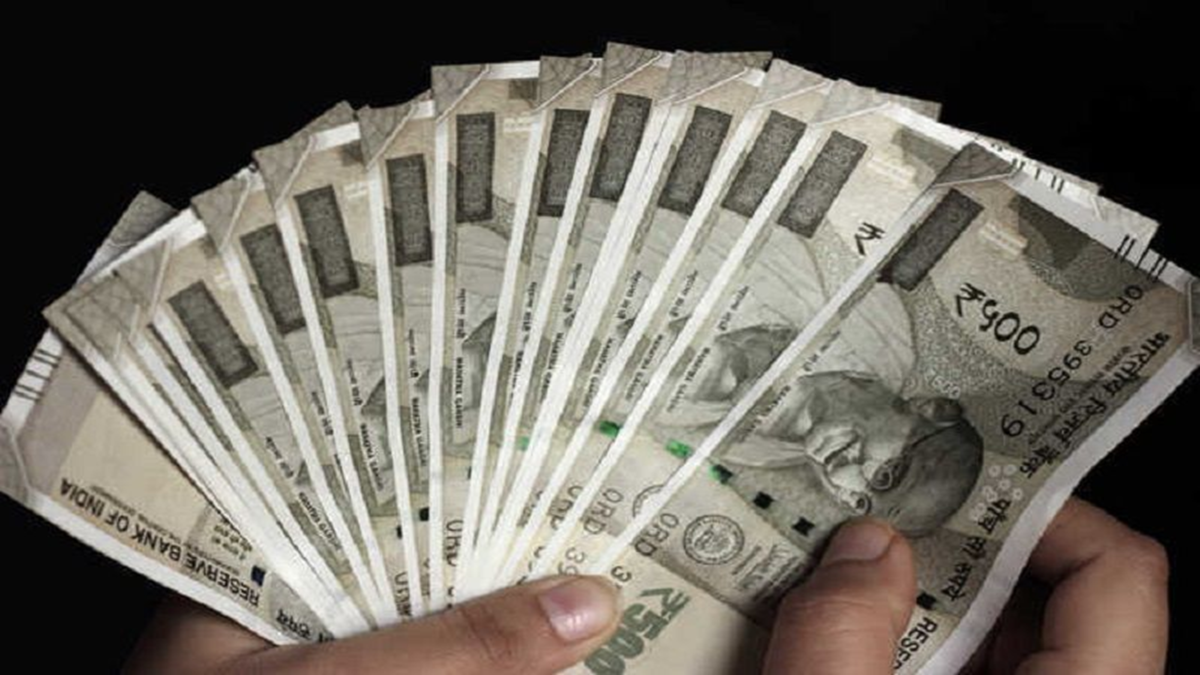
At the beginning of the month, as soon as the salary arrives, people often make various plans for their expenses; however, within a few days, the money in their bank accounts and wallets begins to dwindle. One hardly notices how funds are spent on household expenses, groceries, utility bills (electricity and water), online shopping, and various small, everyday needs. Even with a good income, many people find themselves facing a financial crunch by the end of the month. If this happens to you, you can manage your salary more effectively by making a few changes to your spending habits.
Chartered Accountant Manmohit Singh explained to 'Local 18' that most people think about saving whatever money remains at the end of the month. In practice, however, this approach rarely leads to any meaningful savings. Therefore, one should cultivate the habit of setting aside at least 20 percent of their salary as soon as it is received. This amount can serve as an emergency fund, ensuring that unexpected expenses do not cause financial distress. Subsequently, one should create a monthly budget by listing essential household expenses and allocating funds accordingly.
In today’s times, making payments via UPI has become extremely convenient. People often spend money—on tea, snacks, online orders, or minor purchases—without much thought. Because these small expenditures go unnoticed, they accumulate into a significant sum by the end of the month. Consequently, it is essential to keep track of every UPI transaction. Furthermore, one should identify non-essential expenses and set distinct spending limits for necessary versus discretionary items right at the start of the month.
Rather than relying solely on willpower to save, it is crucial to plan ahead. You can set up an 'auto-debit' facility for a Recurring Deposit (RD) or a Mutual Fund SIP, scheduled for the day after your salary arrives. This ensures that the designated savings amount is automatically set aside, significantly reducing the likelihood of it being spent on unnecessary items. However, it is essential to assess your financial situation and risk tolerance before making any investments.
Furthermore, carrying excessive cash in your wallet or keeping multiple debit cards active can lead to unnecessary spending. It is, therefore, advisable to keep only the amount of cash you actually need. Removing saved card details from online shopping apps can also help curb the habit of impulsive buying.
Try to create a budget at the beginning of the month and ensure that all your expenses remain within defined limits. Adopting these small habits can not only help you increase your savings but also prevent a shortage of funds by the end of the month.
Disclaimer: This content has been sourced and edited from News18 Hindi. While we have made modifications for clarity and presentation, the original content belongs to its respective authors and website. We do not claim ownership of the content.
