
Safe Investment Alert: 6 Government-Backed Schemes Offering Up to 8.2% Returns
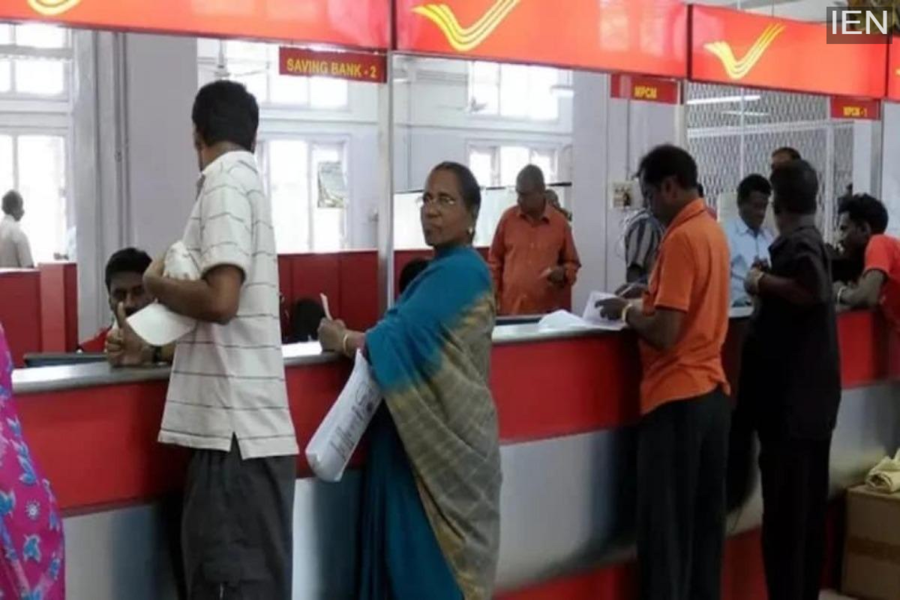
If you’re looking for stable, low-risk investments with decent returns, government-backed savings schemes are among the safest options in India right now. Several of these schemes are offering returns up to 8.2%, along with tax benefits and capital security.
Here’s a clear breakdown of the top 6 schemes you should consider:
💰 1. Senior Citizen Savings Scheme (SCSS)
- Interest Rate: ~8.2%
- Minimum Investment: ₹1,000
- Maximum Limit: ₹30 lakh
👉 Ideal for retirees looking for regular income with safety
👧 2. Sukanya Samriddhi Yojana (SSY)
- Interest Rate: ~8.2%
- Investment Range: ₹250 to ₹1.5 lakh annually
- Maturity: 21 years
👉 Best for securing a girl child’s future
✔️ Tax benefits on investment, interest, and maturity
🏦 3. Post Office Time Deposit (5 Years)
- Interest Rate: ~7.5%
- Tenure: 5 years
👉 Works like a fixed deposit with government backing
✔️ Tax benefits available under old regime
📊 4. RBI Floating Rate Bonds
- Interest Rate: ~8.05%
- Tenure: 7 years
- No maximum investment limit
👉 Backed by RBI, making it extremely secure
📈 5. Public Provident Fund (PPF)
- Interest Rate: ~7.1% (revised quarterly)
- Tenure: 15 years
👉 Perfect for long-term wealth creation & retirement planning
✔️ Tax-free returns under old tax regime
📜 6. National Savings Certificate (NSC)
- Interest Rate: ~7.7%
- Tenure: 5 years
- Minimum Investment: ₹1,000
👉 Good option for safe, fixed returns with compounding benefits
🔍 Why These Schemes Stand Out
✔️ Government-backed = High safety
✔️ Fixed returns = No market risk
✔️ Tax benefits (in many cases)
✔️ Suitable for conservative investors
📌 Final Takeaway
If your priority is capital protection + steady returns, these schemes can be a strong alternative to volatile investments like stocks.
👉 However, don’t expect “quick riches.”
These are slow and steady wealth builders, not high-risk, high-return options.
If you want, I can compare these with FDs, SIPs, or mutual funds to help you choose the best option based on your income and goals.
