
Rules for electric vehicle subsidies revised; Aadhaar requirement now added to Delhi’s new EV policy..
In a significant decision, the Delhi government has made the Aadhaar card mandatory for availing subsidies on electric vehicles (EVs). Consumers will be required to link their Aadhaar card when purchasing an electric vehicle or when buying a new vehicle after scrapping an old one. This rule will affect thousands of EV buyers in Delhi. All e-rickshaw owners must link their vehicle registration with their Aadhaar card to claim the government subsidy of ₹30,000. According to Delhi’s Electric Vehicle Policy 2026, an Aadhaar card is a prerequisite for receiving any subsidy on electric vehicles.
What is the online EV incentive policy?
Applicants seeking a subsidy must provide their Aadhaar number and complete a verification process through the Transport Department’s online EV incentive portal. Once the Transport Department verifies the data and completes the Aadhaar authentication, the beneficiary’s details are forwarded to the Public Financial Management System (PFMS). The subsidy is then disbursed directly into the beneficiary’s Aadhaar-linked bank account.
Subsidy for vehicle scrapping
This rule applies to both purchase incentives and scrapping incentives provided via Direct Benefit Transfer (DBT). This measure is intended to tighten the verification process for electric vehicle subsidies and eliminate the possibility of fraud. By linking applications to Aadhaar, the government aims to prevent duplicate or fraudulent claims, ensuring that government assistance reaches the intended beneficiaries. The notification emphasizes verifying the identity of applicants, preventing fraudulent claims, and ensuring robust verification.
If an electric vehicle owner does not yet possess an Aadhaar card, they may apply for Aadhaar enrollment. Until they receive their Aadhaar number, they can claim the subsidy using their enrollment ID. In such cases, additional documentation—such as a bank or post office passbook (with a photograph), a passport, a voter ID, or a PAN card—will be required. The Delhi government’s new Electric Vehicle Policy came into effect on July 1, 2026. Subsidy for Electric Two-Wheelers
Subsidies for two-wheelers are determined by their battery capacity. In the first year, a subsidy is provided at a rate of ₹10,000 per kWh, up to a maximum of ₹30,000. This subsidy applies to two-wheelers with an ex-showroom price of up to ₹2.25 lakh. In the second year, the subsidy is provided at a rate of ₹6,600 per kWh, up to a maximum of ₹20,000. In the third year, it is provided at a rate of ₹3,300 per kWh, up to a maximum of ₹10,000. Additionally, if an old petrol-powered two-wheeler is scrapped to purchase a new electric two-wheeler, an extra incentive of ₹10,000 is provided.
Subsidy for Electric Three-Wheelers
A subsidy of up to ₹50,000 is provided in the first year. In the second year, the subsidy is ₹40,000, and in the third year, it is ₹30,000. Scrapping an old, polluting three-wheeler entitles the owner to an additional incentive of up to ₹25,000.
Incentive Policy for Electric Cars
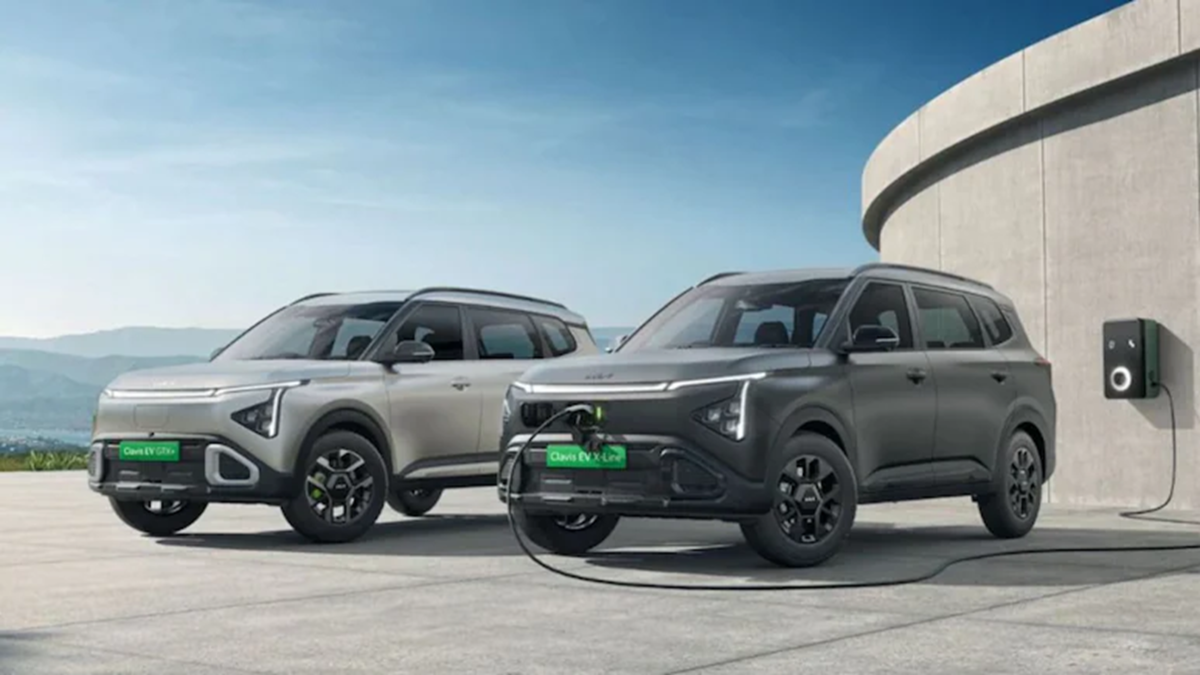
For private electric cars, instead of a direct cash subsidy, there is an exemption of up to 100% on road tax and registration fees. The Delhi government has completely waived road tax and registration charges for all electric cars priced below ₹30 lakh. Furthermore, if you scrap an old diesel or petrol four-wheeler (BS-IV or older) and purchase an electric car, you receive a scrapping incentive of up to ₹1 lakh. For old commercial vehicles, an incentive of up to ₹50,000 is provided.
Aadhaar Mandatory for Electricity Subsidy
To prevent fraud in electricity subsidies, the Delhi government has made it mandatory for consumers to provide their Aadhaar number. This will enable the government to identify genuine beneficiaries and detect individuals who may be availing the scheme's benefits by holding multiple electricity connections under the same name. In the near future, a consumer will be eligible for a subsidy on only one electricity connection. In Delhi, 200 units of electricity are provided free of charge every month, while a 50% subsidy is applied to monthly consumption between 201 and 400 units. The government's new directive will affect over 5.5 million (55 lakh) households in Delhi. To continue receiving the electricity subsidy, every domestic consumer must now verify their identity by submitting their Aadhaar details through the websites of the electricity distribution companies (DISCOMs). If a consumer fails to link their Aadhaar in a timely manner, their subsidy will be discontinued, and they will be required to pay the full electricity bill themselves.
Disclaimer: This content has been sourced and edited from Amar Ujala. While we modified it for clarity and presentation, the original content belongs to its respective authors and website. We do not claim ownership of the content.
