
Road Rules: Know the meaning of these road markings, or else you could end up in jail..
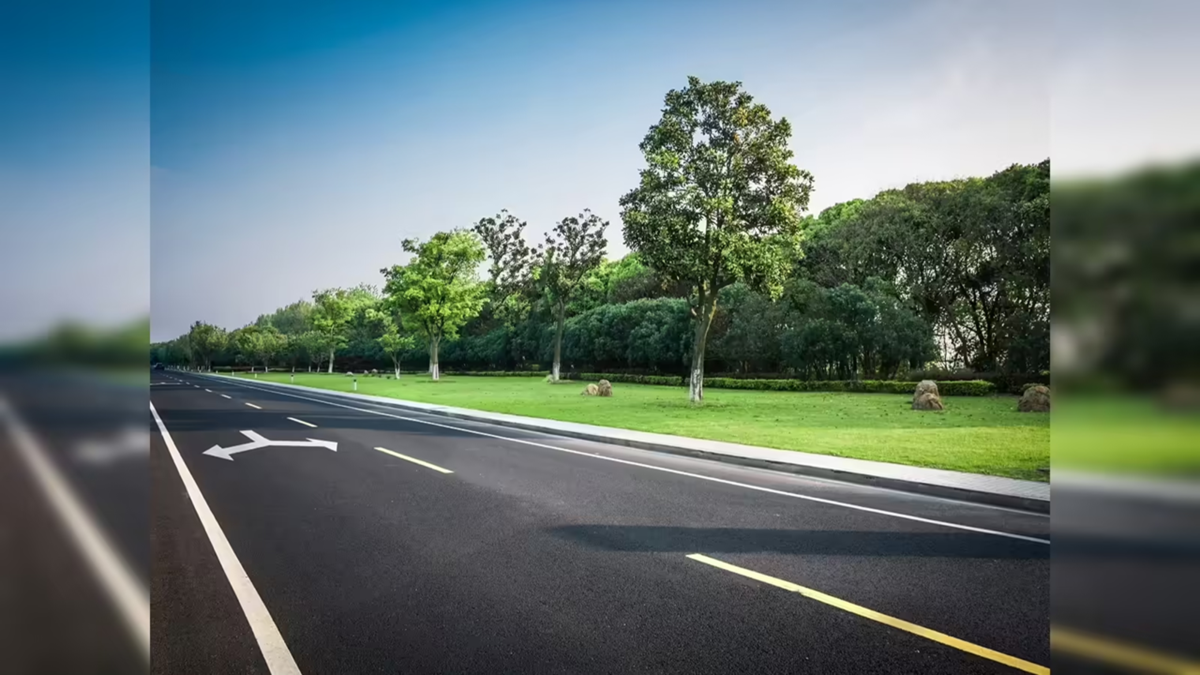
Road Rules and Safety: You have likely often seen various colored strips and lines on the roads amidst moving vehicles. While many consider these merely decorative designs that enhance the road's appearance, they are actually created using scientific principles to ensure driver safety and maintain organized traffic flow. Known as "road markings," these signs act like silent traffic police for vehicles on the road, guiding you on when to stop, when to proceed, and when to overtake.
To avoid accidents while driving, every driver needs to understand the different forms and meanings of these markings. Details regarding the various types of road lines are provided below.
White Lines
White markings are the most commonly seen on roads. They generally fall into two categories. If there are short, broken white strips in the middle of the road, it indicates that the path is clear. You may change lanes with caution, overtake other vehicles, or even make a U-turn safely if necessary. Conversely, a continuous, unbroken straight white line indicates a strict rule: you must stay within your own lane. Crossing this line, changing lanes, or overtaking is strictly prohibited. Such lines are typically found on hilly roads or at busy curves.
Yellow Lines
Yellow lines signal a need for greater caution and are usually marked in areas with complex traffic conditions. There are several types of yellow lines; details for each are provided below.
A Straight Yellow Line: This line clearly indicates that overtaking is prohibited. You may allow another vehicle to pass while staying on your side of the road, but you cannot cross the yellow line to move to the other side.
Two Solid Yellow Lines: Two parallel solid yellow lines running down the center of the road indicate the strictest regulations. Changing lanes, overtaking, turning, or making a U-turn is strictly prohibited here. These markings are often found in areas highly prone to accidents.
Broken Yellow Line: This marking allows for more flexibility. You may change lanes or overtake with caution, provided there is no oncoming traffic, and you feel it is completely safe to do so.
It is also important to know these road markings.
Apart from white and yellow lines, other road markings must be observed.
Zebra Crossing: The broad black and white stripes marked on the road near intersections are designated specifically for pedestrians to cross. Vehicles must stop and yield the right of way when the traffic light is red or when a pedestrian is crossing.
Stop Line: A broad white line marked on the road just before an intersection or traffic signal is known as the stop line. When the traffic light is red, vehicles must stop behind this line. Crossing this line can result in a traffic fine.
Disclaimer: This content has been sourced and edited from NDTV India. While we have made modifications for clarity and presentation, the original content belongs to its respective authors and website. We do not claim ownership of the content.
