
Revised ITR Rules: Filed your ITR before July 31 but made a mistake? Learn the correct way to file a revised return..
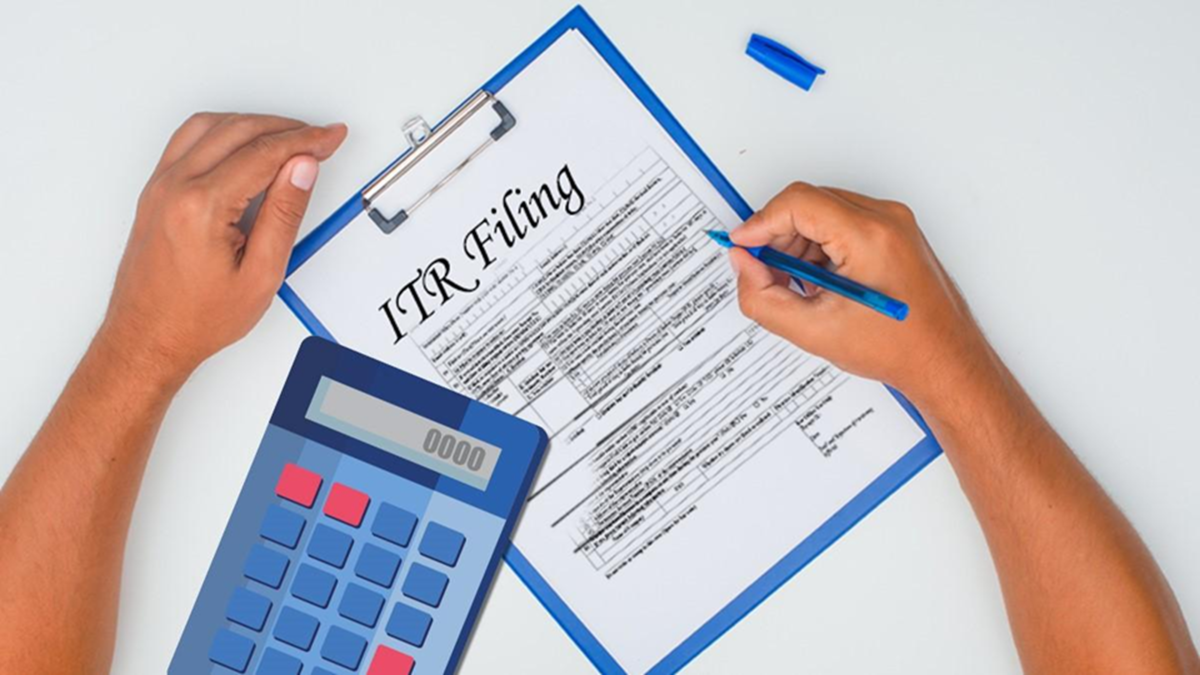
How to File a Revised ITR: The deadline for filing the Income Tax Return (ITR)—July 31, 2026—has passed. Many taxpayers filed their returns in a last-minute rush, only to realize later that they had missed including details such as bank interest, stock market profits, or tax-saving deductions.
If you have entered incorrect information or omitted certain income in your ITR, there is no need to panic. Section 139(5) of the Income Tax Act provides an opportunity to rectify such errors. Let us look at the rules, deadlines, and the simple process for filing a revised return under Section 139(5).
What is a 'Revised Return' (Section 139(5))?
Under Section 139(5) of the Income Tax Act, if a taxpayer realizes—after submitting their original ITR—that they provided incorrect information or omitted certain details, they can file a revised return. Who can file?: Any individual who has filed their return on time under Section 139(1) (by July 31) or filed a belated return under Section 139(4) is eligible to file a revised return.
How many times can it be revised?: Legally, you can revise your ITR more than once, provided it is done within the deadline.
Deadline for filing a revised ITR
The deadline for filing a revised return for the financial year 2025-26 is December 31, 2026. However, if the Income Tax Department completes the assessment of your return (under Section 144) before this date, you can only revise it until the assessment is completed or until December 31, 2026—whichever comes first.
4 key points to remember when filing a revised ITR
1- Acknowledgement number of the original ITR: When filing a revised return, you must enter the acknowledgement number and the filing date of your previous ITR.
2- Choosing the correct ITR form: Use the same form (ITR-1, ITR-2, etc.) that you used for the initial filing, unless there has been a change in your sources of income.
3- Reconciliation with AIS and Form 26AS: Carefully review your Annual Information Statement (AIS) before the new filing to ensure no interest, dividend, or capital gains income is missed this time.
4- Mandatory e-verification: Just like the original ITR, the revised ITR must be e-verified within 30 days of submission. Without verification, your revised return will be considered invalid.
Step-by-step process to file a revised ITR on the e-filing portal
Step 1: Visit the Income Tax Department's e-filing portal (eportal.incometax.gov.in) and log in using your PAN/Aadhaar and password. Log in.
Step 2: Go to the 'e-File' tab > 'Income Tax Returns' > click on 'File Income Tax Return'.
Step 3: Select Assessment Year 2026-27 and choose 'Revised Return u/s 139(5)' as the Filing Type.
Step 4: Enter the Acknowledgement Number and Filing Date of your original ITR as requested on the screen.
Step 5: Now, correct the errors in the form (such as increasing income, adding missed deductions, or correcting bank details).
Step 6: Recalculate the tax liability and pay any additional tax due.
Step 7: Submit the return and immediately e-Verify it using Aadhaar OTP or net banking.
Disclaimer: This content has been sourced and edited from Money Control. While we have made modifications for clarity and presentation, the original content belongs to its respective authors and website. We do not claim ownership of the content.
