
Relief for Diwali and Chhath: 18 Special Trains to Run on Delhi-Mumbai-Bihar-UP Routes
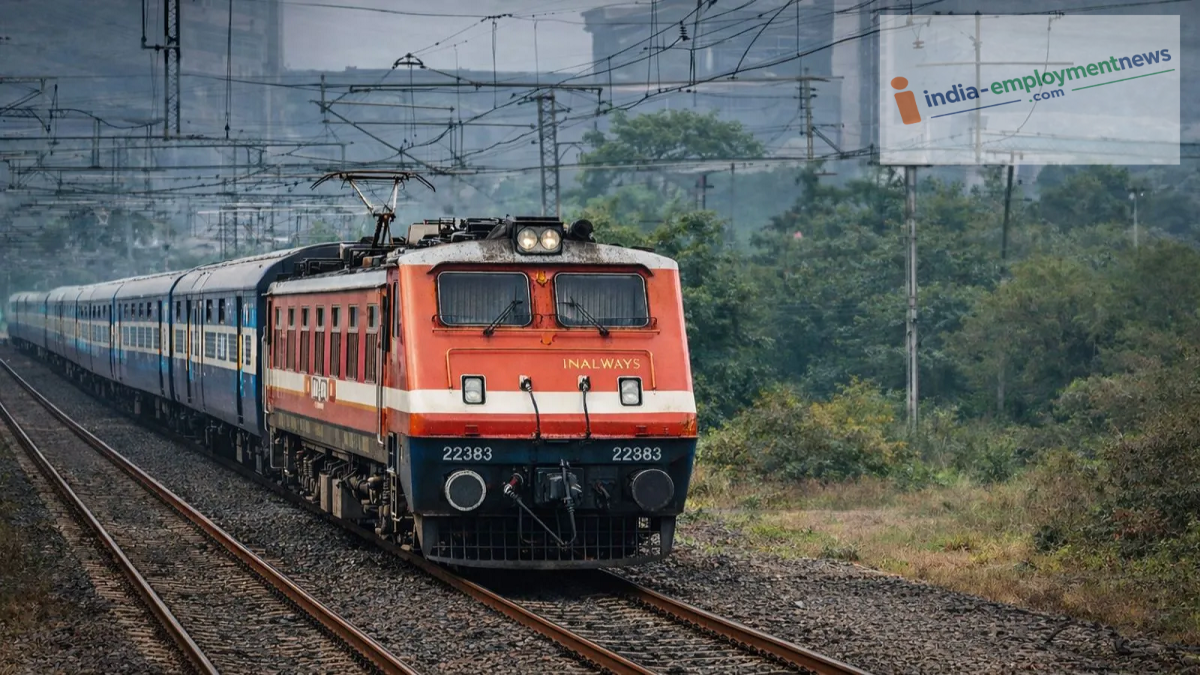
Travelers heading home for Dussehra, Diwali, and Chhath will find relief. In response to the rush and long waiting lists, the Railways has approved the operation of 18 festival special trains, benefiting approximately 32,000 passengers.
During the festive season, travelers often struggle with long waiting lists for train tickets when trying to go home. If you are planning to travel home for Dussehra, Diwali, or Chhath Puja, this news is relevant to you. Addressing the surge in passenger traffic and long waiting lists during the festivals, the Railways has sanctioned 18 festival special trains. The operation of these trains will provide relief to thousands of passengers currently holding waitlisted tickets.
During the festive season, a large number of people travel from major cities like Delhi and Mumbai to their homes in UP, Bihar, and the Purvanchal region. Consequently, the demand for confirmed train tickets spikes significantly, making it difficult to secure one.
Which routes will the special trains cover?
Two festival special trains bound for Mumbai via Lucknow will be introduced; operations for both will commence on October 21. This initiative also provides additional train options for passengers traveling to Delhi, Patna, and Chandigarh. Special train arrangements have also been made for the Mau, Ghazipur City, Gorakhpur, and Banaras routes. Furthermore, passengers traveling to Delhi, Mumbai, Bihar, Purvanchal, and Bengal will benefit from these additional services.
How many passengers with waitlisted tickets will benefit?
With the onset of the festive season, waiting lists for train tickets have grown substantially, forcing many passengers to endure long waits for confirmed seats. The Railway Board's approval of these 18 special trains is expected to bring relief to approximately 32,000 passengers holding waitlisted tickets. The biggest benefit of this will be an increase in the chances of securing a confirmed seat, while also helping to reduce the passenger load on regular trains.
