
RBI's Major Move: Will the Rupee Strengthen Against the Dollar?
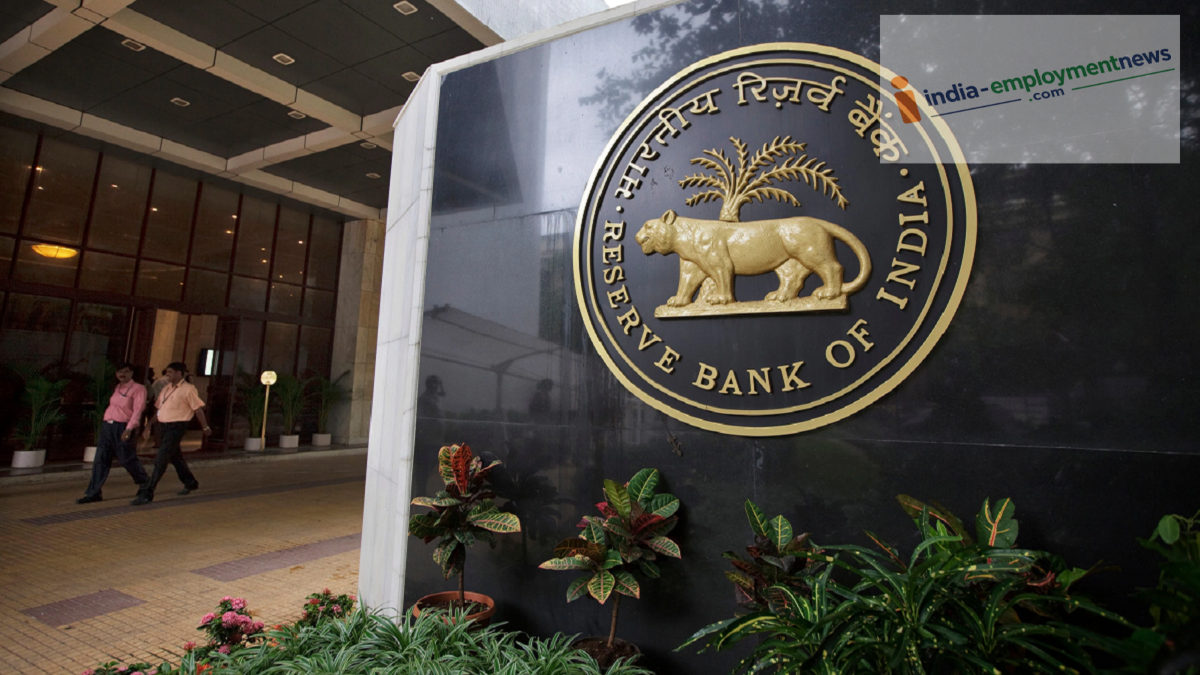
To curb the rupee's depreciation, the RBI has taken measures such as directly supplying dollars to oil companies and tightening forex regulations. Find out how this will impact the rupee, the cost of crude oil, and the common man.
The Reserve Bank of India (RBI) has taken a significant step to arrest the rupee's continuous weakening against the dollar. The central bank has decided to implement several new rules aimed at reducing the demand for dollars in the foreign exchange market and easing pressure on the rupee. Notably, while the RBI seeks to stabilize the rupee through these measures, it does not want to slow down the economy by drastically raising interest rates.
Factors contributing to the rupee's weakness include expensive crude oil, rising demand for dollars, and capital outflows by foreign investors. Consequently, the effectiveness of these RBI measures will largely depend on crude oil prices and the stance of foreign investors.
What measures has the RBI taken?
The RBI has decided to introduce a special arrangement to meet the dollar requirements of state-run oil companies. Under this scheme, public sector oil companies like Indian Oil, Hindustan Petroleum, and Bharat Petroleum will be able to source their daily dollar requirements directly from the RBI. This arrangement will come into effect on October 12, 2026. Typically, oil companies require dollars to purchase crude oil from abroad, a need they usually fulfill by buying dollars from the market. When large companies purchase significant amounts of dollars simultaneously, demand spikes, putting pressure on the rupee. Direct dollar access from the RBI could help reduce this market demand.
Additionally, the RBI has tightened regulations regarding foreign exchange derivatives. For transactions lacking an underlying actual trade or genuine requirement, the limit for taking dollar-linked positions has been reduced from $100 million to $5 million. Additionally, restrictions have been imposed on re-booking certain cancelled forex contracts linked to the rupee.
What is the 20% reserve rule?
The RBI has also introduced a new rule for certain large transactions aimed at mitigating foreign exchange risk. Under this rule, banks must maintain a foreign exchange risk reserve equivalent to 20% of the total contracted amount for eligible foreign currency derivative transactions. This rule applies to eligible transactions where companies seek to hedge risks associated with their current accounts—specifically, buying foreign currency by making payments in rupees. This could impact eligible hedging deals exceeding $2 million.
The objective is to prevent companies and businesses from engaging in excessive hedging. However, there is another side to this: for companies that genuinely require dollars for imports, hedging against rupee risk could become more expensive. Companies in sectors such as steel, automobiles, chemicals, and electronics are likely to be affected.
Will the rupee strengthen against the dollar now?
These RBI measures are expected to provide some relief to the rupee. A reduction in excess demand for dollars in the market could alleviate the pressure on the currency. Some bankers anticipate that the rupee could reach the 95–95.50 level against the dollar; however, these are market projections, not guarantees.
The rupee's trajectory will not be determined solely by RBI decisions. If crude oil prices remain high in the international market, India's import bill will rise. India sources a significant portion of its crude oil from abroad, requiring dollars for payment; consequently, a surge in oil prices could drive up the demand for dollars and weaken the rupee.
Furthermore, rising bond yields or better investment returns in the US could prompt foreign investors to withdraw funds from the Indian market. If Foreign Portfolio Investors (FPIs) invest in Indian stocks and bonds, the inflow of dollars could increase, potentially providing support to the rupee.
Why does the RBI want to avoid raising interest rates?
A significant hike in interest rates could be an option to stabilize the rupee. However, this could make home, car, and business loans more expensive. It could also increase corporate costs and impact people's spending power.
The RBI aims to stabilize the rupee without significantly hindering the pace of economic growth. Consequently, the central bank is currently focusing on controlling the demand for dollars and speculation in the foreign exchange market. However, if crude oil prices rise further, the dollar remains strong, and foreign capital continues to flow out, the RBI could face pressure to take stricter measures.
