
RBI Update: Major Relief from RBI on Digital Payments: Here's How It Will Impact Your SIPs..
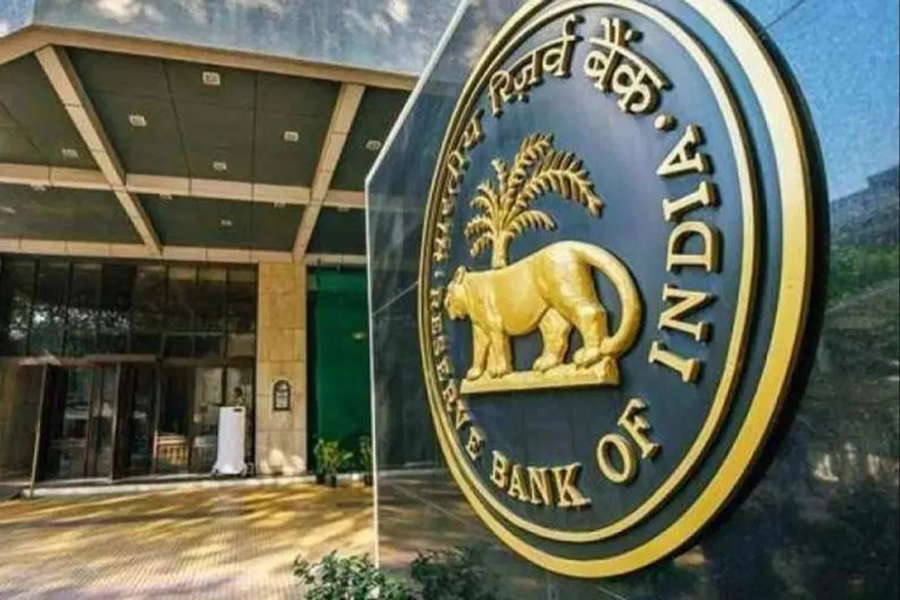
The Reserve Bank of India (RBI) has taken a significant step to make digital payments even more convenient. Under the new regulations, it will no longer be necessary to repeatedly enter an OTP (One-Time Password) or password for automatic payments of up to ₹15,000. This will provide particular convenience for recurring payments such as OTT subscriptions, electricity bills, and mobile recharges. Furthermore, if a customer's debit or credit card is replaced, the associated e-mandates will automatically be transferred to the new card. This decision is expected to bring relief to millions of users and will further strengthen the digital payment ecosystem. This impact will also be evident in SIP mandates. Let us explain this to you in detail.
**What Changes Have Been Introduced in the New Rules?**
Under the RBI's new regulations, recurring payments made via auto-debit or e-mandates have become significantly easier than before. An e-mandate is a system wherein a customer grants prior authorization to a bank, card issuer, or payment app to automatically deduct specific amounts—such as SIP contributions, insurance premiums, EMIs, utility bills, or OTT subscription fees—on a designated date.
Under the previous system, it was mandatory to provide an OTP for every payment exceeding a certain threshold. Frequently, payments would fail due to delays in receiving the OTP, network connectivity issues, or missed alerts; this led to problems such as service interruptions, missed investment opportunities, or the imposition of penalties.
**No OTP Required for Payments Up to ₹15,000**
Simplifying this process, the new regulations now permit the automatic processing of recurring payments up to ₹15,000 without requiring an OTP for every transaction, provided the customer has previously registered an e-mandate. Additionally, for specific categories such as insurance premiums, mutual funds, and credit card bills, this limit has been raised to ₹1 lakh.
This change will have a direct impact on customers whose regular payments need to be processed precisely on schedule. They will no longer face the need for repeated authentication, and the likelihood of payment failures will be significantly reduced, thereby making it easier to maintain financial discipline.
