
RBI 'Stop Switch': You can halt transactions the moment you suspect fraud—but an expert has issued a warning about this risk..
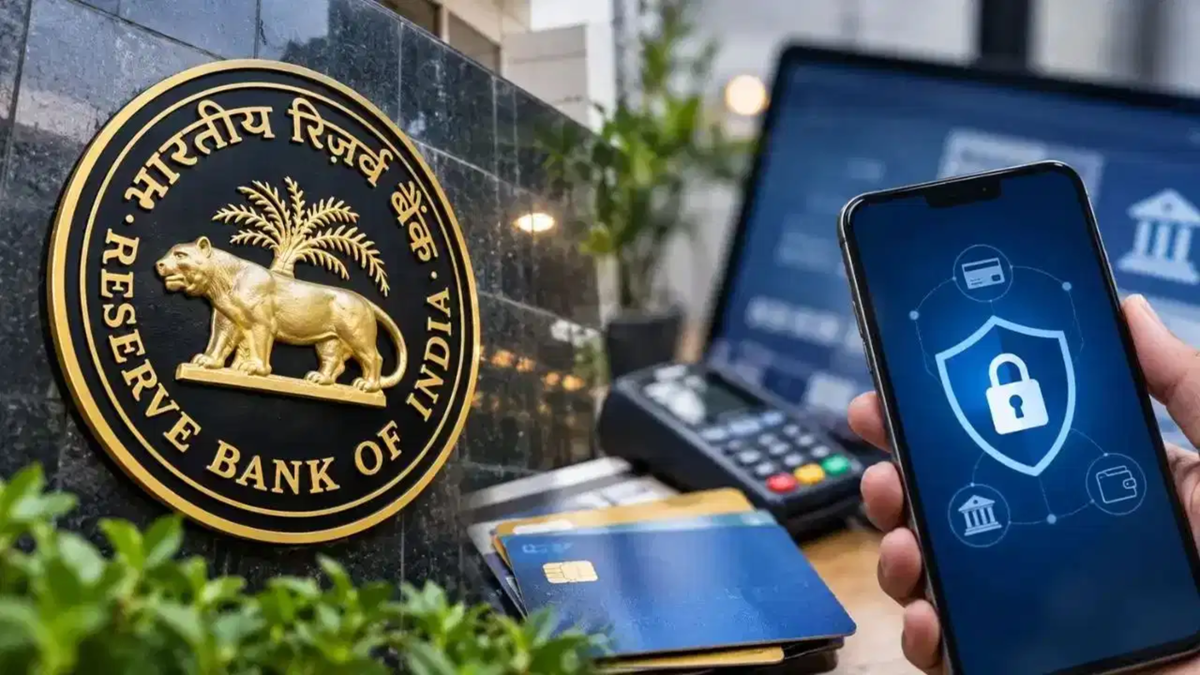
In the era of online banking, a single minor oversight can lead to an empty account. Recognizing this risk, the Reserve Bank of India (RBI) released a draft proposal on November 23, 2026, for a "Stop Switch"—a mechanism envisioned as an "emergency brake" for digital transactions. However, cyber expert and advocate Dr. Prashant Mali notes that while the feature is useful, it also presents significant challenges. He clarified that this is currently only a draft proposal and should not be considered an implemented regulation.
How the RBI’s "Stop Switch" will work
According to Dr. Prashant Mali, the "Stop Switch" serves as an emergency security measure. If a customer suspects fraud, they can instruct their bank to temporarily halt digital transactions on their account. The objective is to "lock" the account before fraudsters can withdraw any funds.
It is important to note that this switch only halts future transactions; it cannot automatically recover funds that have already been debited or settled. Therefore, in the event of fraud, it is crucial to notify the bank immediately and call the helpline number 1930.
Which payments will be blocked, and which will remain unaffected?
As per the draft, the switch will block new digital payments initiated by the customer, as well as any new payment mandates. This includes transactions made via UPI, IMPS, NEFT, RTGS, card payments, and internet banking.
However, certain essential payments may remain outside its scope—specifically, deductions initiated by the bank itself and pre-set automated payments (recurring mandates). This means that scheduled payments, such as electricity bills, income tax, or insurance premiums, will not be stopped by this mechanism.
Potential complications in the event of a hacked mobile device
Dr. Mali warns that this should not be viewed as a foolproof, "one-click" guarantee for every possible scenario. If a customer’s phone is hacked, the hacker gains control over both the mobile device and the banking apps. In such a scenario, the hacker could impersonate the customer and disable the 'stop switch' themselves.
Therefore, banks must provide a separate and secure channel to activate this feature. If the process for disabling or re-enabling the feature remains dependent on the compromised phone, the risk will not be mitigated. The draft includes provisions for strict authentication to reactivate an account, along with a 'cooling-off period' where necessary. Banks must ensure that a hacker cannot bypass security measures by posing as the customer.
When will this facility be available, and what is the appeal to banks?
Experts believe that a 'stop switch' alone cannot eliminate cyber fraud. Robust passwords, multi-factor authentication, transaction alerts, and general vigilance remain equally essential for protection.
The proposed guidelines for commercial banks suggest an implementation date of July 1, 2027; however, banks may choose to introduce it sooner. Dr. Mali noted that ICICI Bank’s 'iMobile' app already offers the option to disable specific services. He has urged other banks not to wait until July, but rather to take the initiative and provide this facility to their customers proactively.
Disclaimer: This content has been sourced and edited from TV9. While we have made modifications for clarity and presentation, the original content belongs to its respective authors and website. We do not claim ownership of the content.
