
RBI Rule: Bank borrowers will no longer be able to repurchase their own assets; RBI tightens regulations.
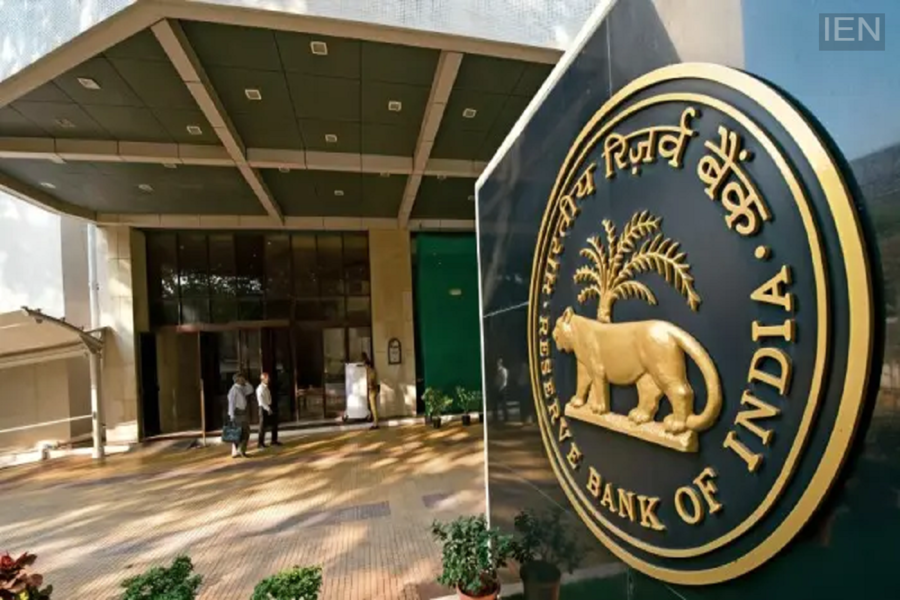
RBI Rule: The RBI has introduced a new rule prohibiting banks from selling assets—previously seized due to loan defaults—back to the original borrower. Let’s explore the details of this new regulation.
RBI New Rule: The Reserve Bank of India (RBI) has issued a new directive for banks. Under this rule, if a bank has taken possession of an individual's or company's land, house, or other immovable property during loan recovery proceedings, it cannot sell that property back to the original borrower or to persons associated with them.
What did the RBI say?
Regarding this decision, the RBI noted that banks generally do not retain non-financial assets (such as land or houses). However, when a loan remains unpaid for an extended period and is classified as a Non-Performing Asset (NPA), banks may take possession of the mortgaged property through legal processes.
What do the new rules state?
According to the new regulations, banks must sell such assets via public auction as soon as possible. However, under no circumstances may a bank retain such an asset for more than seven years.
When will the rule come into effect?
These new RBI regulations will come into force on October 1, 2026. While there were suggestions from some quarters to allow defaulting borrowers to repurchase their assets, the central bank rejected this proposal. The RBI maintains that allowing such repurchases could encourage willful default and undermine discipline within the banking system.
Additionally, when banks take possession of such assets, their value must be assessed by at least two independent (freelance) valuers, and the assets must be recorded in the accounts based on these valuations. If a bank subsequently begins using the asset for its own operations, it will be reclassified from a non-financial asset to a fixed asset.
