
RBI Revises Rules for White-Label ATMs; Companies Can Now Procure Cash Directly
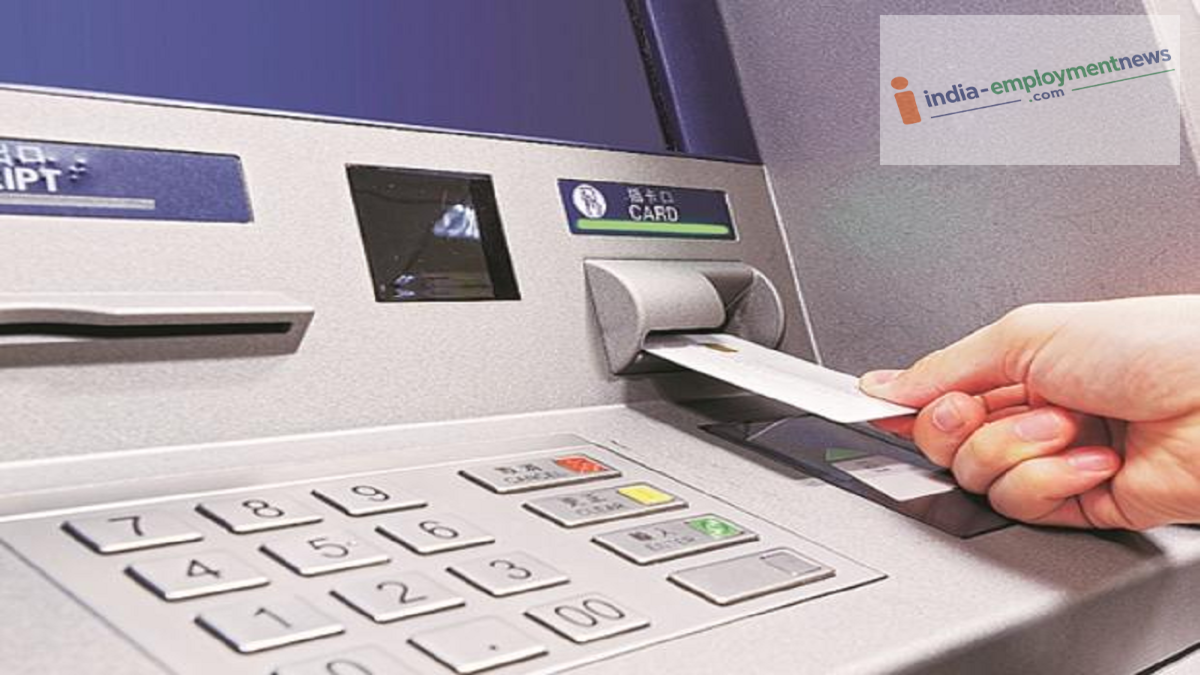
The Reserve Bank of India (RBI) has permitted white-label ATM (WLA) operators to procure cash directly from its issue offices. Companies will now also be able to source currency from multiple banks. Let’s look at how these new regulations might impact customers.
If you use ATMs to withdraw cash, this update is relevant to you. The RBI has amended the rules for companies that operate white-label ATMs. These operators are no longer restricted to relying on a single bank to stock their ATMs with cash; they can now source currency from various banks or procure it directly from the RBI’s issue offices.
On November 27, the RBI issued new directives for white-label ATM operators, which have come into effect immediately. Let’s explore what white-label ATMs are, how they function, and what changes these new rules will bring.
What are White-Label ATMs?
When we think of an ATM, we typically associate it with a specific bank. However, some ATMs are operated by private companies rather than banks—these are known as "white-label ATMs." Customers can use debit cards from various banks to withdraw cash from these machines. In essence, while the ATM itself does not belong to any particular bank, it remains accessible to customers for cash withdrawals.
Where Can They Procure Cash From?
Under the new RBI guidelines, white-label ATM operators can now procure cash in bulk directly from the central bank’s issue offices and currency chests. A minimum of 100,000 (one lakh) banknotes must be procured in a single transaction.
For instance, a company could procure 100,000, 200,000, or 300,000 banknotes, provided the full payment is made. Companies may contact the issue departments at the RBI’s regional offices. Additionally, they are required to provide a list of their ATM locations to facilitate linkage with the appropriate currency chests.
How Many Banks Can They Source Cash From?
Previously, white-label ATM operators were dependent solely on their "sponsor bank" for their cash supply. They will now be able to source cash from commercial banks other than just their sponsor bank. This includes cooperative banks and regional rural banks.
The responsibility for ensuring the authenticity of the currency notes loaded into the ATMs will lie with the bank supplying the cash. For this purpose, banks and ATM operators may enter into service agreements with each other.
Can there be more than one sponsor bank?
The RBI has also permitted White Label ATM operators to engage more than one sponsor bank. Consequently, these companies can enter into agreements with multiple banks.
