
RBI Removes 3-Year Waiting Rule: Improved Credit Score Now Brings Instant Home Loan Rate Cuts
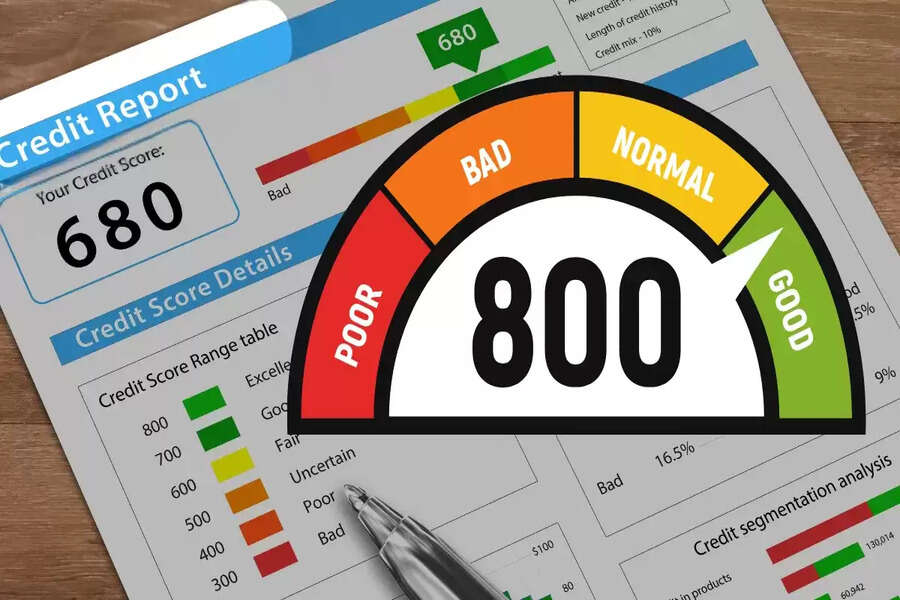
The Reserve Bank of India has introduced a major reform that will directly benefit home loan borrowers across the country. Under the revised norms, effective 1 October 2025, banks can now reduce the interest rate spread on floating-rate home loans without waiting for the earlier mandatory three-year review period. This means that if your credit score has improved recently, you can immediately request a lower interest rate, resulting in lower EMIs or a shorter loan tenure—and substantial long-term savings.
This policy change brings much-needed flexibility to the lending system and provides existing borrowers an equal opportunity to benefit from improved creditworthiness.
How Home Loan Interest Rates Are Determined
A home loan rate has two components:
-
External Benchmark: Such as the RBI repo rate or Treasury Bill yield.
-
Bank Spread: A margin added by banks to cover credit risk and operational costs.
The new RBI guidelines specifically affect the spread. If your credit profile strengthens, your bank is now permitted to reduce the spread and offer you a cheaper rate immediately.
The Earlier Rule vs. the New Change
Previously, banks were allowed to revise the spread only once every three years, which caused delays for borrowers in receiving the benefit of improved credit scores. Even if a borrower became low-risk within months, they still had to wait for the mandatory review cycle.
The new regulation has removed this lock-in period, enabling instant reassessment. Borrowers can now enjoy quicker relief and faster alignment of loan rates with their actual creditworthiness.
How You Can Get a Lower Interest Rate
If your credit score has gone up or your overall repayment capacity has improved, you can immediately apply for a rate review:
-
Submit a request to your bank for reassessment.
-
The bank will conduct a fresh credit evaluation.
-
If the improvement is considered “substantial,” the spread will be reduced.
-
Your interest rate will fall, leading to either a lower EMI or a reduced tenure depending on your preference.
Both outcomes result in long-term financial savings.
How Much Can You Save?
Most home loans range between 20 to 25 years, with loan amounts of Rs 25 lakh to Rs 75 lakh. Even a 0.25% reduction in interest rate can save borrowers several thousand rupees annually and lakhs over the full loan tenure.
If you maintain your existing EMI while reducing the tenure, the loan may close much earlier, helping you save even more.
When Does the Rule Apply?
The revised rules, notified under the Interest Rate on Advances (Amendment Directions), 2025, have come into effect from 1 October 2025.
However, borrowers must note that the process is not automatic — you must initiate the request with your bank.
A Major Boost for Existing Borrowers
Until now, new customers often received better rates faster because banks were free to offer attractive spreads at the time of loan sanction. Existing borrowers, on the other hand, had to wait for three years for a spread review.
The new guidelines create a level playing field. Now, existing borrowers can seek rate cuts the moment their credit score improves. This ensures fair treatment and prevents long-term customers from being penalized due to rigid timelines.
How to Improve Your Credit Score Quickly
To benefit from the new rule, maintaining a strong credit score is essential. Here are key steps:
-
Pay EMIs and credit card bills on time
-
Keep credit utilization low
-
Maintain a balanced credit mix
-
Avoid applying for multiple loans simultaneously
-
Keep old credit cards active to maintain credit history
Once your score shows improvement, approach your bank immediately for a reassessment.
Lower Interest Means Faster Debt Freedom
With improved credit health, borrowers can now unlock faster interest rate benefits, reducing their overall loan burden. Whether you choose to reduce your EMI or shorten your loan tenure, both options offer meaningful financial advantages over the long term.
The RBI’s updated norms are a significant step toward consumer-friendly lending, giving borrowers greater control over their financial journey—and the opportunity to achieve debt-free homeownership sooner.
