
RBI MPC Meeting 2026: Will Loans and EMIs Become More Expensive? Why RBI’s Next Decision Matters
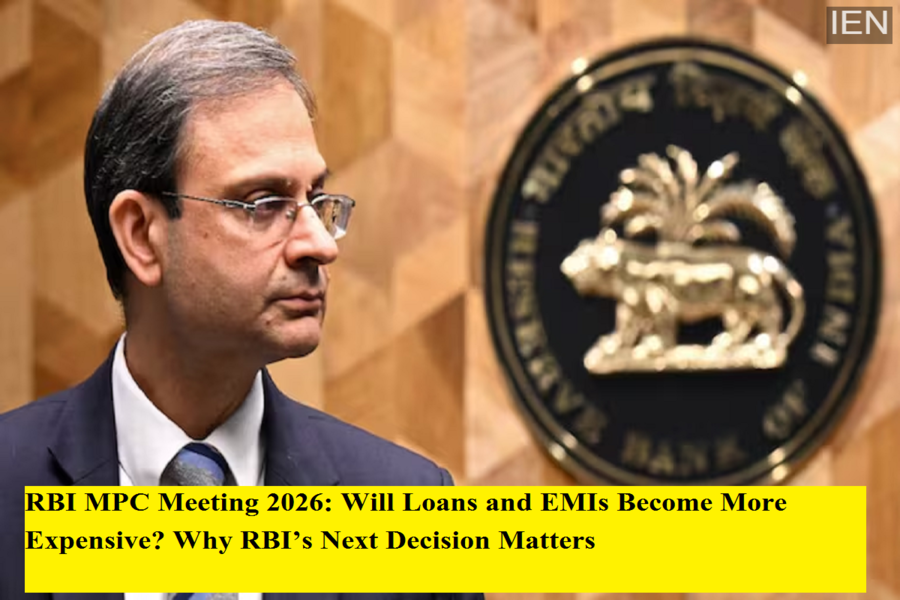
As global uncertainty rises and crude oil prices continue fluctuating, concerns about inflation are once again growing across financial markets. In this environment, all eyes are now on the Reserve Bank of India’s upcoming Monetary Policy Committee (MPC) meeting, which could play a major role in shaping future loan interest rates, EMIs, and borrowing costs.
Many borrowers are now asking an important question — could home loans, car loans, and personal loan EMIs become more expensive in the coming months?
While experts believe the RBI is unlikely to take any sudden aggressive action for now, they are also warning people not to become careless with financial planning. Rising geopolitical tensions, global inflation risks, and crude oil volatility could still influence future policy decisions.
Why RBI’s Upcoming MPC Meeting Is Important
The Monetary Policy Committee (MPC) meeting is one of the most closely watched events in India’s financial system because the RBI uses it to decide key interest rates, including the repo rate.
The repo rate directly affects:
-
Home loan interest rates
-
Car loan EMIs
-
Personal loan costs
-
Business borrowing expenses
-
Fixed deposit returns
-
Overall liquidity in the economy
Any change in repo rates eventually impacts millions of borrowers and depositors across the country.
Experts Expect RBI to Remain Cautious
Financial experts currently believe the RBI is likely to maintain a cautious and balanced approach rather than suddenly increasing interest rates aggressively.
According to industry specialists, inflation still remains within the RBI’s acceptable range, which gives the central bank some room to avoid immediate tightening measures.
BankBazaar.com CEO Adhil Shetty reportedly said that the repo rate is expected to remain stable around 5.25% during the June MPC meeting.
After providing multiple rounds of relief in recent periods, the RBI is now believed to be operating in a “watch-and-wait” mode.
What Is Worrying the RBI?
Even though inflation is relatively under control at present, several global developments continue to create uncertainty.
Key Concerns Affecting Financial Markets
-
Rising crude oil prices
-
Tensions in West Asia
-
Global supply chain risks
-
Dollar-rupee fluctuations
-
Geopolitical instability
-
International inflation pressure
Experts say these factors could influence India’s inflation outlook in the coming months.
In particular, rising crude oil prices remain a major concern because higher fuel costs often increase transportation and manufacturing expenses, eventually pushing inflation upward.
Will EMI Burden Increase Soon?
For borrowers, the biggest concern is whether loan EMIs could rise sharply if interest rates increase in the future.
However, most experts currently believe there is little possibility of a sudden large jump in EMIs.
Analysts say that even if the RBI eventually decides to tighten policy, the process would likely happen gradually rather than through aggressive rate hikes.
This could provide some relief to borrowers with:
-
Floating-rate home loans
-
Car loans
-
Personal loans linked to external benchmarks
According to experts, RBI is expected to prioritize economic stability instead of reacting aggressively to short-term market fluctuations.
Why RBI May Avoid Sudden Aggressive Action
Financial specialists believe the current inflation pressure is still largely linked to external supply-side issues such as geopolitical tensions and oil prices.
Because of this, the RBI may avoid taking harsh monetary action immediately.
Experts say the central bank still has enough flexibility to respond gradually while balancing:
-
Economic growth
-
Inflation control
-
Borrowing costs
-
Market stability
This approach could help protect both consumers and businesses from sudden financial stress.
What Borrowers Should Keep in Mind
Experts are advising people not to make financial decisions based purely on speculation about interest rates.
Instead, borrowers should carefully evaluate:
-
Monthly income
-
Existing financial obligations
-
EMI repayment capacity
-
Emergency savings
-
Credit score health
Financial planners say responsible borrowing and long-term planning are becoming increasingly important in the current uncertain market environment.
Experts Advise Against Over-Borrowing
Industry specialists are warning consumers against taking excessive loans based only on low EMI expectations.
According to lending and finance experts:
-
Borrowers should avoid emotional or speculative financial decisions
-
Loan repayment ability should remain the top priority
-
Financial discipline is more important than predicting interest rate movements
Experts also stress the importance of maintaining a healthy emergency fund in case borrowing costs rise gradually later.
Good Credit Score Can Help During Future Rate Changes
Financial advisors believe borrowers with strong credit profiles may be better positioned even if interest rates rise in the future.
A healthy credit score can help borrowers:
-
Negotiate lower interest rates
-
Access better loan offers
-
Reduce future refinancing pressure
Experts recommend paying EMIs on time and avoiding unnecessary debt accumulation.
Oil Prices and Rupee Movement Will Be Key
According to market analysts, future RBI policy decisions may largely depend on:
-
Crude oil price trends
-
Inflation movement
-
Rupee-dollar exchange rate
-
Global economic conditions
If inflation remains stable, the RBI may continue maintaining a supportive stance for growth. However, if global pressures intensify significantly, future rate hikes cannot be completely ruled out.
What Should Existing Loan Borrowers Do?
Experts suggest existing borrowers should:
-
Review loan structures carefully
-
Understand floating vs fixed interest rates
-
Track EMI schedules regularly
-
Avoid taking multiple high-interest loans simultaneously
-
Build emergency financial reserves
These steps can help households manage financial pressure more effectively even if borrowing costs gradually rise later.
RBI’s Next Move Could Shape Financial Planning
The upcoming RBI MPC meeting is expected to play an important role in shaping market sentiment regarding loans, investments, and inflation expectations.
While experts currently expect stable interest rates, they also warn that global economic uncertainty means borrowers should remain financially prepared and avoid overconfidence.
For now, the message from experts remains clear — plan finances carefully, borrow responsibly, and do not rely solely on assumptions about future interest rate cuts or stable EMIs.
Disclaimer: The opinions and financial views mentioned are based on expert commentary and market expectations. Loan and investment decisions should be made only after consulting qualified financial advisors.
