
RBI May Introduce Polymer Currency Notes: What the Shift Could Mean for India's Cash Economy
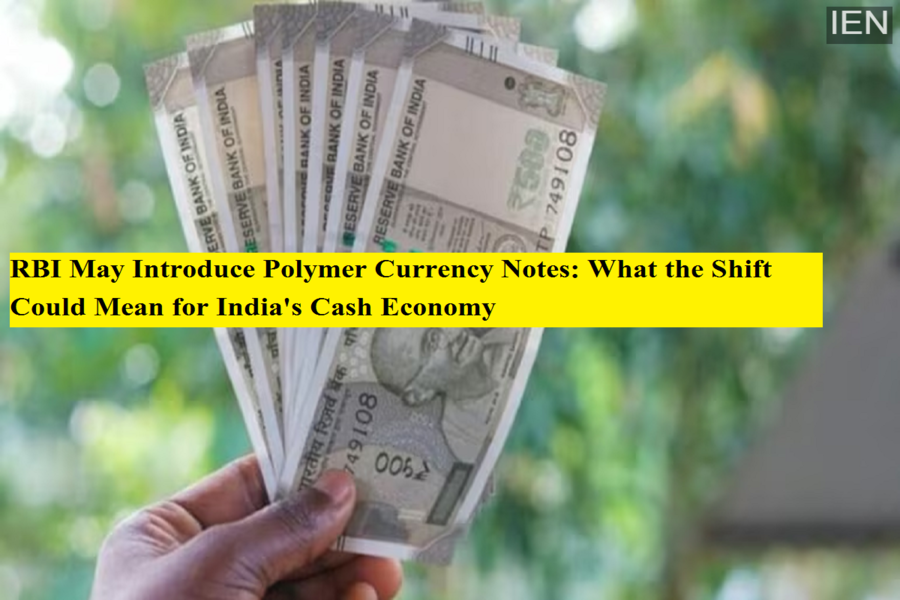
RBI Currency Update: India could soon witness a major transformation in its currency system as the Reserve Bank of India is reportedly evaluating the introduction of polymer banknotes. If implemented, future ₹100, ₹200, and ₹500 notes may be made from durable polymer material instead of traditional paper.
India's currency landscape may be on the verge of a significant upgrade. Reports suggest that the Reserve Bank of India (RBI) is examining the feasibility of introducing polymer-based currency notes as part of efforts to improve durability, reduce replacement costs, and strengthen security against counterfeiting.
While no nationwide rollout has been announced yet, discussions surrounding a pilot project have generated considerable interest. If the proposal moves forward, Indian citizens could soon begin using banknotes made from advanced polymer material rather than conventional paper-based currency.
Why Is RBI Considering Polymer Notes?
One of the biggest challenges faced by the banking system is the rapid deterioration of currency notes in circulation. Every year, millions of notes become torn, dirty, damaged, or otherwise unfit for use, requiring replacement.
According to recent RBI data, a substantial number of worn-out banknotes were withdrawn from circulation during the 2024-25 financial year. The volume of discarded currency increased significantly compared to the previous year, highlighting the growing burden of currency replacement and management.
High-denomination notes such as ₹500 and frequently used notes like ₹100 are among the most affected due to their extensive circulation across the country.
At the same time, the cost of printing new banknotes continues to rise, placing additional pressure on currency management expenses.
What Exactly Are Polymer Notes?
Polymer notes are banknotes manufactured using a specialized plastic substrate instead of cotton-based paper.
Unlike traditional notes, polymer currency is designed to withstand everyday wear and tear more effectively. These notes are resistant to moisture, dirt, folding damage, and accidental tearing, making them significantly more durable.
Because of their robust construction, polymer banknotes typically remain in circulation much longer than conventional paper currency. Experts estimate that they can last more than twice as long as standard notes, reducing the frequency of replacement.
Key Advantages of Polymer Currency
Longer Lifespan
One of the primary benefits of polymer notes is durability. Since they are less prone to damage, central banks can reduce the number of replacement notes that need to be printed each year.
Lower Long-Term Costs
Although polymer notes may initially cost more to manufacture, their extended lifespan can result in substantial savings over time by reducing printing and distribution expenses.
Better Resistance to Water and Dirt
Unlike paper currency, polymer notes can better withstand exposure to moisture, making them more suitable for regions with humid climates or heavy rainfall.
Cleaner Currency Circulation
Because they absorb less dirt and contamination, polymer notes tend to remain cleaner throughout their circulation cycle.
Stronger Protection Against Counterfeiting
Another major reason many countries have adopted polymer currency is its advanced security capability.
Polymer banknotes can incorporate sophisticated anti-counterfeit features that are difficult to replicate. These include:
-
Transparent windows
-
Specialized inks
-
Complex holographic elements
-
Advanced micro-printing techniques
-
Embedded security designs
Such features make unauthorized reproduction significantly more challenging, helping central banks combat the circulation of fake currency.
Many Countries Already Use Polymer Notes
India would not be the first nation to adopt polymer-based currency.
The technology was first introduced in Australia in 1988 and has since gained acceptance worldwide. Today, polymer notes are used in several countries, including:
-
Canada
-
Australia
-
New Zealand
-
Vietnam
-
Mauritius
-
Romania
More than 45 countries worldwide have incorporated polymer currency into their monetary systems, citing improved durability and enhanced security as key benefits.
Environmental Benefits of Polymer Notes
An often-overlooked advantage of polymer currency is its recyclability.
Once polymer notes reach the end of their useful life, they can be processed and converted into various plastic products rather than being destroyed entirely. This creates opportunities for recycling and potentially reduces environmental waste associated with currency disposal.
What Could Change for Indian Consumers?
If RBI proceeds with the pilot project and eventually introduces polymer notes nationwide, the transition is expected to be gradual. Existing paper currency would likely continue to circulate alongside newer polymer notes during the initial phase.
For consumers, day-to-day transactions would remain largely unchanged. The biggest differences would be the texture, durability, and appearance of the new notes.
The Bottom Line
The possible introduction of polymer banknotes reflects RBI's ongoing efforts to modernize India's currency ecosystem. With longer-lasting notes, lower replacement requirements, stronger anti-counterfeiting protection, and potential environmental benefits, polymer currency could represent the next major evolution in India's cash management system.
While an official rollout timeline is yet to be announced, the proposal signals that India's currency may soon become more durable, secure, and cost-efficient than ever before.
