
RBI injects ₹72,000 crore into the banking system; who will benefit from these funds, and will they reach the common man?
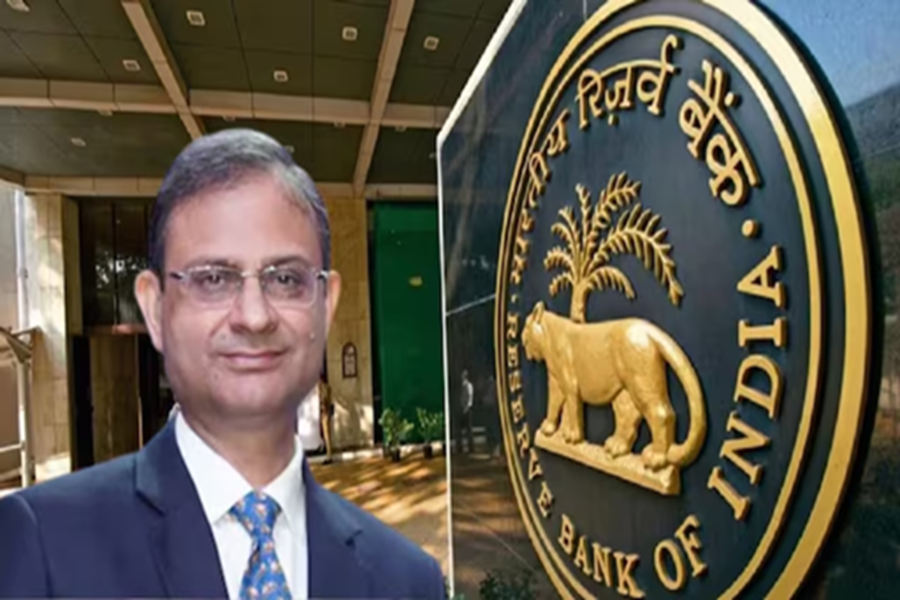
On Wednesday, the Reserve Bank of India (RBI) injected ₹72,300 crore into the banking system to maintain liquidity. This amount was infused through two Variable Repo Rate (VRR) auctions after the market's liquidity surplus declined due to advance tax payments. Why does the RBI inject such funds into the banking system, and how does the common man benefit from it?
According to the RBI, the central bank injected ₹50,016 crore at a cut-off rate of 5.26% through a two-day VRR auction. Additionally, ₹22,284 crore was injected through another two-day auction. Thus, a total of ₹72,300 crore in liquidity was infused. The VRR auction is a mechanism used by the RBI to balance temporary shortages or surpluses of liquidity within the banking system.
**What is the surplus in the banking system?**
According to the Reserve Bank, the liquidity surplus in the banking system dropped to ₹23,881.21 crore by June 16, down from approximately ₹1.51 lakh crore on June 15. Experts attribute this decline primarily to advance tax payments. They also note that further liquidity outflows could occur due to Goods and Services Tax (GST) payments. Consequently, the RBI may conduct more VRR auctions in the coming days. V. Ramachandra Reddy, Head of Treasury at Karur Vysya Bank, stated that given the reduction in liquidity surplus and potential future outflows, the RBI might work to keep overnight rates (rates for 24-hour deposits) under control.
**Who benefits from this?**
Improved liquidity in banks makes it easier for them to disburse loans. Banks need to have sufficient liquidity to meet the demand for everything from corporate debt to retail loans. That is why the RBI periodically works to maintain liquidity levels within the banking system. The common man will also benefit from the liquidity injected this time around; if liquidity in the banking system drops, banks face difficulties in disbursing loans.
Disclaimer: This content has been sourced and edited from Dainik Jagran. While we have made modifications for clarity and presentation, the original content belongs to its respective authors and website. We do not claim ownership of the content.
