
RBI injects Rs 2.5 lakh crore into banks—yet loans could still become costlier! Find out why.
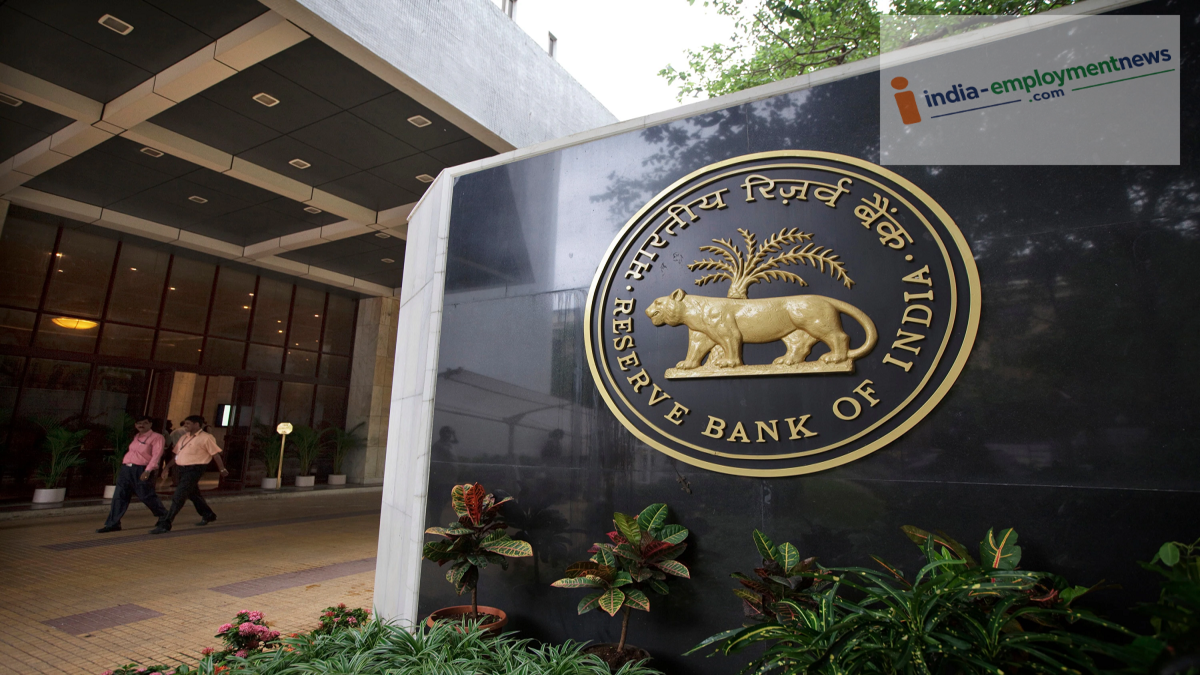
The RBI has raised the repo rate while injecting Rs 2.5 lakh crore of liquidity into the banking system. Understand how this might impact home loans, car loans, EMIs, and those seeking new credit.
If you are considering a home loan, car loan, or personal loan, this RBI update is relevant to you. The Reserve Bank of India has raised interest rates while simultaneously infusing approximately Rs 2.5 lakh crore into the banking system. At first glance, these two decisions might seem contradictory—after all, why provide so much capital to banks when the cost of borrowing is being increased?
To understand this, it is essential to distinguish between interest rates and liquidity within the banking system. While the RBI aims to regulate credit by raising interest rates, it also ensures that banks have sufficient funds available to lend to their customers.
Why did the RBI provide funds to banks?
According to reports, on October 7, 2026, the RBI increased the repo rate by 0.25%—or 25 basis points—bringing it to 5.50%. This marks the first such hike since February 2023.
Following this, the RBI conducted a repo auction to inject approximately Rs 2.5 lakh crore into the banking system. The objective is to provide banks with short-term liquidity, ensuring that lending activities are not hindered by a shortage of funds in the market.
What is the difference between interest rates and liquidity?
Simply put, the repo rate is the rate at which the RBI lends money to banks. An increase in the repo rate can raise the cost for banks to procure funds, which may, in turn, affect the interest rates charged on loans to customers. In the banking system, 'liquidity' refers to the amount of money banks have available for their day-to-day operations and for extending loans to customers. When the RBI injects liquidity, it provides relief to banks facing a short-term shortage of funds.
In other words, raising interest rates effectively increases the cost of borrowing, whereas injecting liquidity ensures that banks have sufficient funds on hand. These two measures are taken to address different requirements.
Will home and car loans become more expensive?
An increase in the repo rate is likely to have a particular impact on loans with floating interest rates—loans where the interest rate fluctuates over time. If your home or car loan is linked to the repo rate, your interest rate may rise on the next 'reset' date. However, the impact will not be the same for every customer, nor will it occur for everyone simultaneously. The specific terms of your loan, the bank's interest rates, and the scheduled reset date will determine when and by how much your EMI (Equated Monthly Installment) changes. Loans with fixed interest rates are generally not affected immediately.
