
RBI Floating Rate Bonds Explained: Interest, Tax Rules, Eligibility and Key Benefits in One Guide
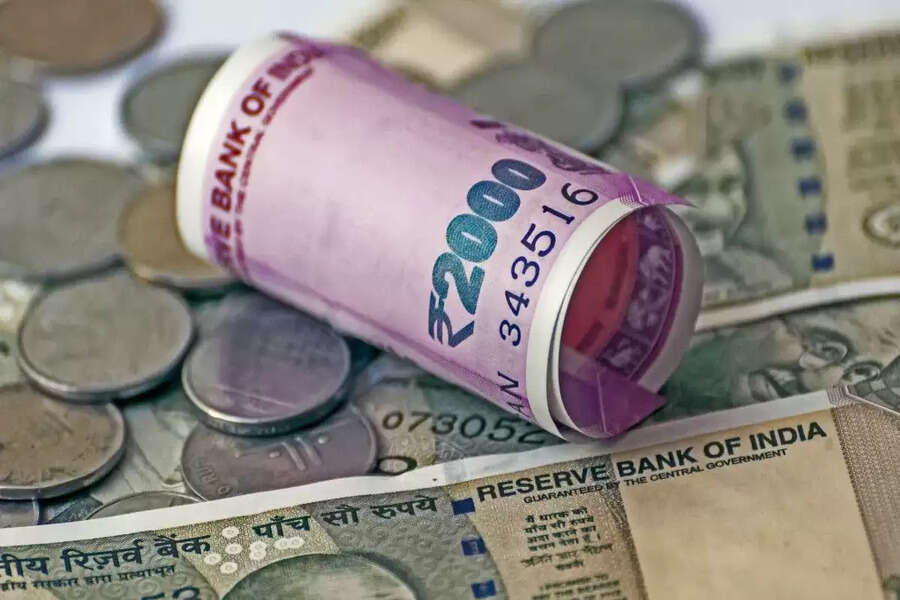
To offer retail investors a secure fixed-income option, the Government of India introduced the RBI Floating Rate Savings Bonds—a product designed to provide safety along with a variable interest return. Launched in 2020 to replace the earlier 7.75% taxable bonds, these instruments are popular among conservative investors. However, they come with several conditions that many people may not be aware of. Understanding the rules around eligibility, taxation, liquidity and returns is crucial to avoid unpleasant surprises later.
This comprehensive guide covers who can invest, how interest is paid, tax implications, premature withdrawal rules, and how to buy these bonds.
Who Can Buy RBI Floating Rate Bonds?
The bonds are available exclusively to individual residents of India and Hindu Undivided Families (HUFs). Institutions such as companies, partnership firms, and trusts are not allowed to invest.
Eligibility is governed by FEMA residency rules, which means:
-
NRIs and PIOs cannot invest in these bonds.
-
Indian citizens working or conducting business abroad are also ineligible.
-
However, if a person becomes a non-resident after purchasing the bond, they may continue to hold it until maturity.
Investors can apply either individually or in joint names. Joint holdings can be registered as standard joint ownership or “either or survivor”, which allows one holder to redeem the bond if the other passes away.
Parents or legal guardians may also invest on behalf of minors.
Nomination is permitted, and more than one nominee can be added. Nominees can be changed or cancelled anytime.
However, nomination is not allowed for minor bondholders or HUF-held bonds.
Face Value, Tenure and Interest Rate Structure
The face value of a bond is ₹1,000, and investors can purchase any number of units because there is no upper investment limit.
The maturity period is 7 years, after which the principal amount is automatically redeemed.
Interest is paid twice a year, on January 1 and July 1. Unlike cumulative bonds, the interest here cannot be reinvested; it must be credited to the investor’s bank account.
What makes these bonds unique is that the interest rate floats, meaning it changes every six months. The rate is linked to the return offered on the National Savings Certificate (NSC), plus a 0.35% premium.
For example, with the current NSC rate at 7.70%, the RBI Floating Rate Bond offers 8.05% interest.
Taxation and TDS on Interest
The interest earned on these bonds is fully taxable, with no tax-saving benefits under the Income Tax Act.
TDS is deducted on interest payments. However, investors can submit:
-
A nil or lower TDS certificate,
-
Or Form 15G/15H (if eligible),
to reduce or eliminate tax deduction at source.
If an investor has borrowed money to invest in these bonds, the interest paid on that loan may be claimed as an expense.
How to Buy RBI Floating Rate Bonds
These bonds are sold through:
-
SBI
-
11 other public-sector banks
-
Private banks including HDFC Bank, ICICI Bank, Axis Bank, and IDBI Bank
Applications can be submitted online or offline, and banks have designated branches for processing them.
Payment can be made via:
-
Cash (up to ₹20,000)
-
Cheque
-
Demand draft
-
Online transfer
Since interest and redemption amounts are credited directly to your bank account, providing accurate bank details is mandatory.
Transfer Rules and Premature Redemption Policy
RBI Floating Rate Bonds cannot be traded, gifted, or transferred, except in the case of the investor’s death, in which case the bond passes to the nominee.
They cannot be used as collateral for loans.
Premature withdrawal is generally not allowed, except for senior citizens. The early redemption rules are:
-
Ages 60–70: Permitted after 7 years
-
Ages 70–80: Permitted after 5 years
-
Age 80+ : Permitted after 4 years
Premature redemption is processed only on January 1 or July 1, aligning with the interest schedule. A 50% penalty is deducted from the last half-year interest.
For joint bonds, the age criteria apply to any one of the holders.
However, HUF investments do not qualify for premature redemption.
