
RBI Cancels This Bank's License: Find Out Which Customers Will Receive Their Full Funds..
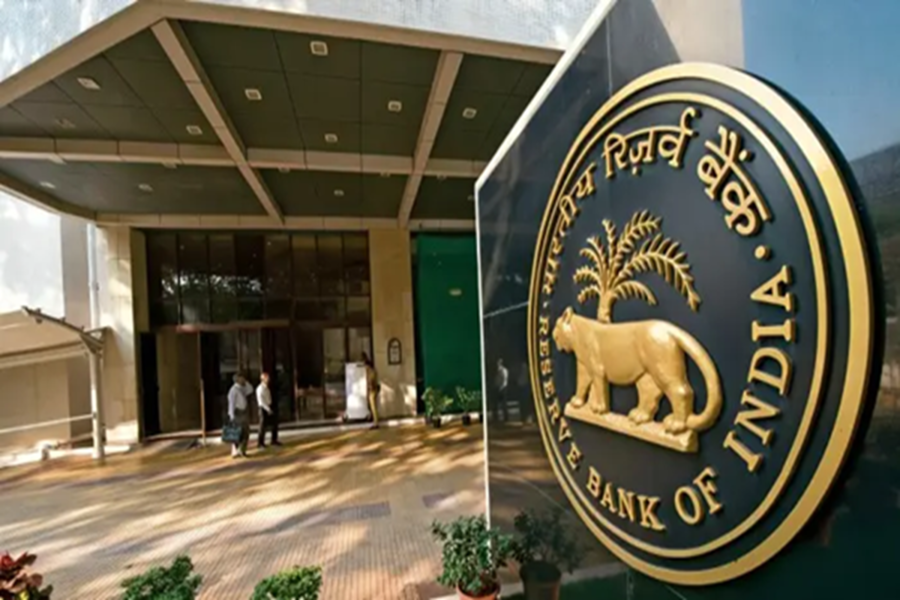
The Reserve Bank of India (RBI) on Tuesday cancelled the banking license of Mumbai-based Sarvodaya Co-operative Bank with immediate effect. The central bank explicitly stated that the bank no longer possessed adequate capital or earning potential; therefore, allowing it to continue operations was not in the interest of its depositors. Following the RBI's decision, the bank will no longer be able to conduct any banking business. This means the bank can no longer accept new deposits or provide standard banking services to customers, such as allowing withdrawals. Instructions have also been issued to the Commissioner for Cooperation and Registrar of Co-operative Societies, Maharashtra, to initiate the process of winding up the bank and appointing a liquidator.
According to the RBI, depositors of the bank will receive a refund of their deposits up to a limit of ₹5 lakh under the Deposit Insurance and Credit Guarantee Corporation (DICGC) scheme. This payment will be processed in accordance with the provisions of the DICGC Act. The central bank noted that, based on the bank's data, approximately 98.36 percent of depositors are likely to receive the full amount of their deposits, as their holdings fall within the ₹5 lakh insurance limit. As of March 31, 2026, the DICGC has already disbursed ₹26.72 crore.
Why did the RBI take this step?
The RBI stated that Sarvodaya Co-operative Bank failed to comply with several provisions of the Banking Regulation Act. The bank's current financial condition had deteriorated to such an extent that it was unable to make full payments to its customers. The central bank maintained that allowing the bank to continue operations would have been detrimental to both the public interest and the interests of its depositors. It was for this reason that the decision to cancel the license was taken.
**Renewed Concerns Over Co-operative Banks**
Over the past few years, the RBI has taken strict action against several cooperative banks. The central bank has been continuously intensifying its oversight regarding poor financial health, weak governance, and regulatory non-compliance within the sector. Experts believe that increasing competition and a shortage of capital are emerging as significant challenges for small co-operative banks.
Disclaimer: This content has been sourced and edited from Amar Ujala. While we have made modifications for clarity and presentation, the original content belongs to its respective authors and website. We do not claim ownership of the content.
