
RBI Cancels Paytm Payments Bank Licence; Operations Halted Over Compliance Concerns
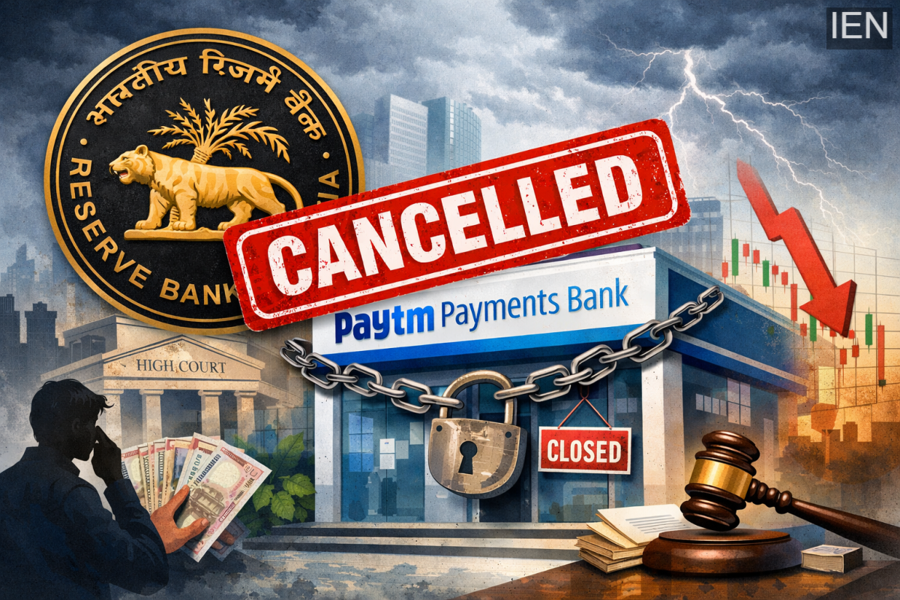
In a significant regulatory move, the Reserve Bank of India (RBI) has revoked the banking licence of Paytm Payments Bank Limited (PPBL) with immediate effect. The decision, announced on April 24, 2026, means the bank will no longer be allowed to carry out any banking-related activities from the same day.
The central bank exercised its powers under the Banking Regulation Act, 1949, citing serious concerns over regulatory compliance and depositor safety.
Why RBI Took This Action
According to the RBI, allowing PPBL to continue its operations could have posed risks to public interest and depositors. The regulator stated that the bank failed to comply with several conditions required under its licence.
Officials noted that the manner in which the bank was operating raised concerns about the safety of customer funds. Due to these issues, the RBI concluded that cancelling the licence was necessary to protect depositors and maintain the stability of the financial system.
Immediate Impact on Banking Services
Following the cancellation, Paytm Payments Bank is no longer permitted to:
- Accept deposits
- Offer credit or banking services
- Carry out any regulated banking activity
All such operations have been halted effective April 24, 2026. Customers are advised to stay updated through official announcements regarding further steps, including account settlements and fund withdrawals.
RBI to Initiate Winding-Up Process
The RBI has confirmed that it will approach the High Court to initiate the formal winding-up process of the bank. This is a standard procedure when a banking licence is cancelled due to regulatory violations.
It is worth noting that this is not the first time regulatory action has been taken against PPBL. In March 2022, the RBI had barred the bank from onboarding new customers. Later, in early 2024, additional restrictions were imposed on deposits and credit-related operations.
What Happens to Depositors’ Money?
Despite the strict action, there is some reassurance for customers. As per RBI’s communication, PPBL currently holds sufficient liquidity to meet its deposit obligations.
This means:
- Depositors’ funds are not expected to be lost
- The bank has adequate cash reserves to repay customers
- Refunds and settlements will be carried out during the winding-up process
Experts suggest that customers should not panic but should closely follow official updates from both the RBI and the bank for instructions regarding withdrawals or account closures.
Market Reaction: Paytm Shares Slip
Shares of One97 Communications, the parent company of Paytm, saw a mild decline following the announcement. On April 24, the stock closed approximately 0.5% lower at ₹1,153.
Market analysts believe there could be increased volatility when trading resumes, as investors react to the regulatory development. Despite recent gains of over 11% in the past month, the stock continues to trade significantly below its IPO price.
What Customers Should Do Next
Customers with accounts in Paytm Payments Bank should:
- Monitor official RBI and bank announcements
- Follow instructions for fund withdrawal or transfer
- Avoid relying on unofficial sources for updates
Conclusion
The RBI’s decision to cancel the licence of Paytm Payments Bank marks a major step in enforcing regulatory discipline in India’s banking sector. While the move raises concerns about compliance failures, the assurance of sufficient liquidity provides relief to depositors.
As the winding-up process begins, customers are encouraged to remain informed and take timely action based on official guidance to ensure a smooth recovery of their funds.
