
RBI Brings 60 Tonnes of Gold Back to India; 84% of Gold Reserves Now Held Domestically
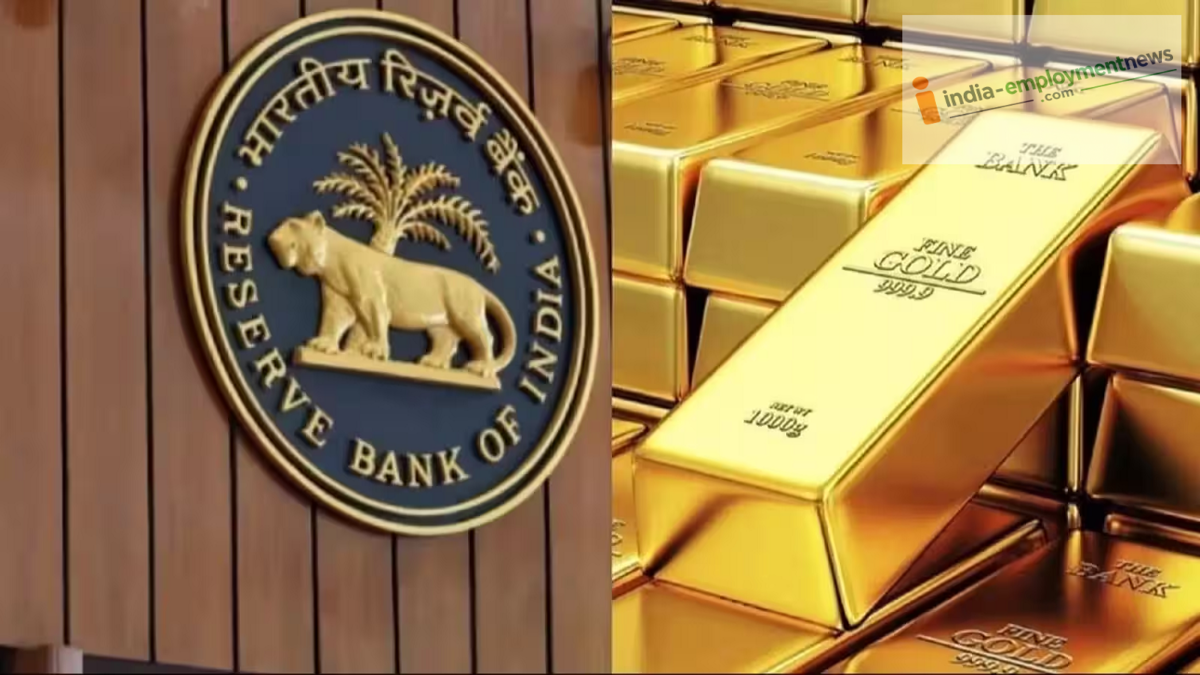
The Reserve Bank of India (RBI) has brought approximately 60 tonnes of gold back to India over the last six months, bringing the share of its gold reserves held within the country to 84%. Let’s look at how the Reserve Bank accomplished this.
Gold prices in India have been consistently falling over the past few days. Meanwhile, the Reserve Bank of India (RBI) has achieved a significant milestone: it has repatriated about 60 tonnes of gold from abroad over the last six months. As a result, approximately 84% of the RBI’s total gold reserves are now held within the country—an increase from the previous figure of just over 77%.
This means that India is now keeping a larger portion of its gold securely within its own borders. The RBI has taken this step at a time when the world is grappling with economic and political uncertainty.
Has the total gold reserve increased?
In a recent report, the RBI stated that it brought back 60.08 tonnes of gold to India between March and September 2024. Following this, the RBI’s total gold holdings stand at 880.52 tonnes. As of the end of September 2024, 740.13 tonnes of this gold were held within India, while the remainder is kept securely abroad. It is important to note that this does not represent an increase in India’s total gold reserves; rather, it is a relocation of gold previously held overseas to India.
Why is gold being brought back from abroad?
The primary reason behind this move by the RBI is to ensure that its gold reserves are kept secure within the country. Given the ongoing tensions, conflicts, and economic uncertainties across the globe, holding gold abroad carries potential risks. By keeping a larger share of its gold domestically, India ensures that it can easily access and control these assets should the need arise.
Decline in Gold Prices
Gold prices in India have been falling rapidly of late. In January, the price of gold was approximately ₹1.80 lakh per 10 grams; it has now dropped to around ₹1.20 lakh—a decline of about 27%. However, experts estimate that in the future—specifically by the year 2027—prices will rise once again, reaching ₹1.50 lakh.
