
RBI ATM Rules: Will failed transactions also incur charges, and will they count towards the monthly limit?
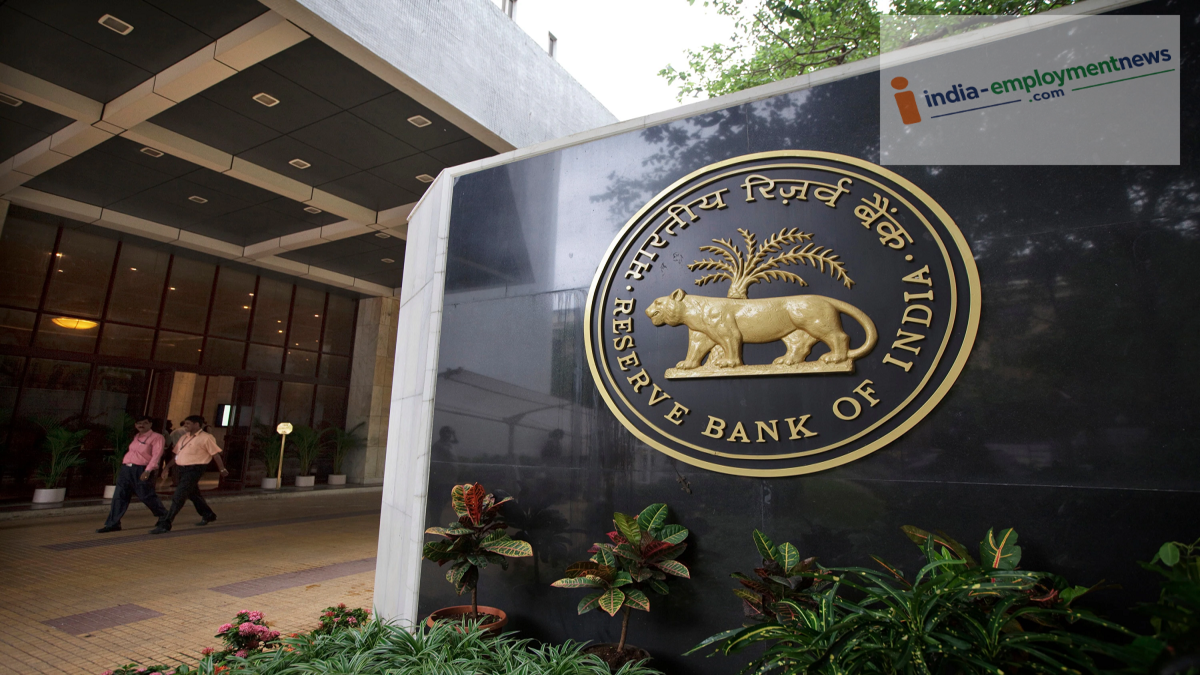
The Reserve Bank of India (RBI) has updated the rules for ATM withdrawals. Banks are now required to inform customers about the number of free transactions remaining. Once the free transaction limit is exhausted, a charge of ₹23 will be applied.
If you frequently withdraw cash from ATMs or check your account balance, this update is important for you. The RBI has consolidated the regulations regarding cash withdrawals from ATMs and Point of Sale (PoS) terminals at retail outlets into a new, comprehensive framework. According to the directive issued on November 27, 2026, these changes have come into effect immediately.
Under these new guidelines, banks must notify customers about how many free ATM transactions they have already used during the month and the charges that will apply once the limit is reached. Notably, the total number of permitted free ATM transactions remains unchanged.
What do the new changes entail?
According to the RBI’s new directives, savings account holders are entitled to a specific number of free ATM transactions each month. Customers can perform up to 5 free transactions per month at their own bank’s ATMs. For transactions at other banks' ATMs, customers are allowed 3 free transactions in metro cities and 5 free transactions in non-metro cities. These free transactions encompass both cash withdrawals and non-financial services, such as balance inquiries.
Charges apply once the limit is exceeded
If you exceed your monthly quota of free transactions, banks may charge up to ₹23 for each additional transaction. Applicable taxes will also be levied on top of this amount.
Banks must provide prior notification
The RBI has issued strict instructions to banks to establish a system for sending alerts to customers. For instance, customers will be informed about how many free transactions they have already used in a month, how many remain, and what charges might apply to the next transaction. This will prevent the inconvenience of unexpected ATM charges being deducted.
Will charges apply if a transaction fails?
Providing relief to customers, the RBI has clarified that ATM transactions that fail due to specific reasons will not be counted toward the free transaction limit. No charges will be levied if a failure occurs due to technical glitches, network issues, a lack of cash in the ATM, incorrect PIN entry, or other validation-related problems.
Cash withdrawals via PoS machines
The RBI has also clarified the rules for withdrawing cash through Point of Sale (PoS) machines located at retail outlets. Customers can now withdraw cash using debit cards, full-KYC prepaid payment instruments, and UPI. However, there are set limits for these withdrawals—for example, a maximum of ₹2,000 can be withdrawn at a time, with a monthly limit of up to ₹10,000. A 1% charge will be applicable to these transactions.
Notably, it is not mandatory to purchase any goods to withdraw cash from these outlets; the facility can be used independently of any purchase. If a customer chooses to withdraw cash while also making a purchase, both amounts will be shown separately on the bill.
