
Property Documents: Planning to buy a home? Don't miss these 7 essential property documents—not even by mistake..
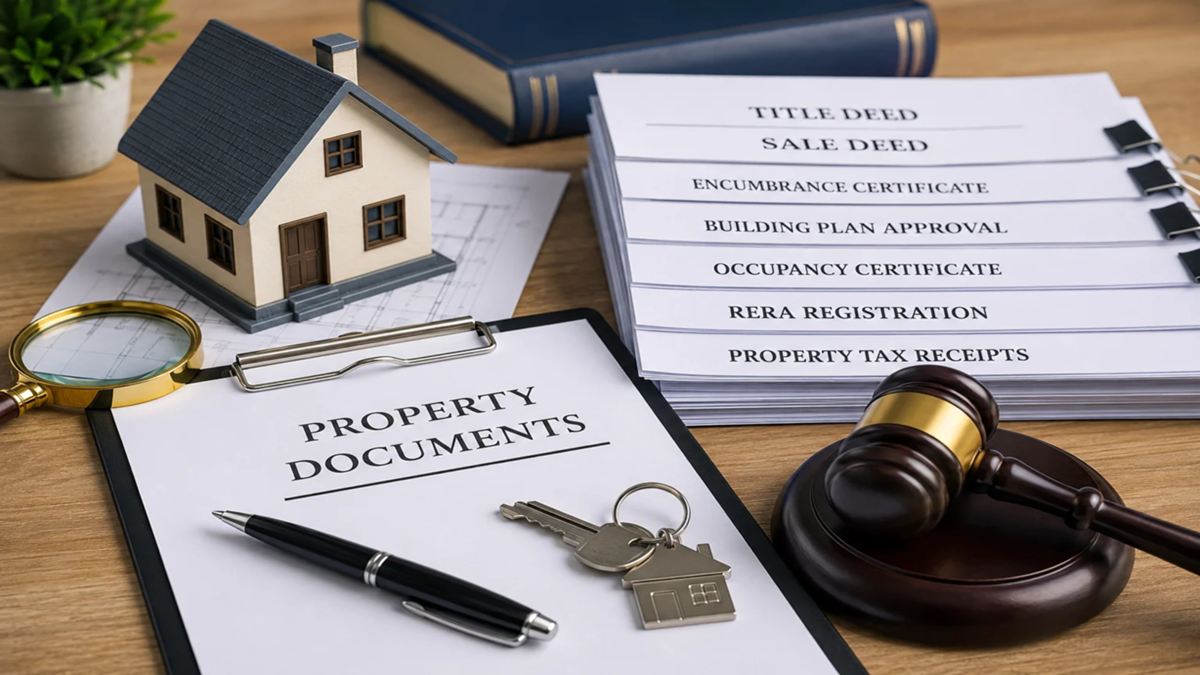
Checklist of Property Documents Before Buying a Home: Buying the home of one's dreams is one of the biggest decisions in a person's life. Once a house is liked, people are often in a rush to visit the site and pay the token money. During this process, many buyers rely on the promises made by builders, brokers, or sellers—a practice that can turn into a major risk later on.
It is crucial to thoroughly examine property documents before paying the token amount or signing an agreement. Here are the seven most important documents you should verify before parting with even a single rupee:
1. Title Deed: The primary guarantee of ownership
The title document proves whether the seller or developer holds legal ownership of the property and has the right to sell it. Do not look merely at the most recent sale deed; examine the entire chain of documents involving previous owners. Have a property lawyer verify that there are no legal disputes in the ownership history.
2. Encumbrance Certificate
A seller's claim that the property is "completely loan-free" is not enough. An Encumbrance Certificate reveals whether there are any outstanding registered home loans, court cases, or other legal claims against the property. The Registration Department of Uttar Pradesh offers an online facility to obtain certified copies of Encumbrance Certificates and registered deeds.
3. RERA Registration Details
If you are buying a home in a new or under-construction project, be sure to check the project's registration number on the RERA website. Under RERA regulations, a builder is required to execute a registered 'Agreement for Sale' before accepting an advance or application fee exceeding 10% of the total property cost. Check the portal for full details regarding approvals, project timelines, and sanctioned plans.
4. Sanctioned Building Plan and Permits
Do not blindly trust the sales brochures or presentations shown by brokers or builders. Ensure that the building plan is approved by the relevant local authority. There should be no discrepancy between the approved plan and the actual structure of the flat or house being sold. Illegal construction can later lead to demolition (bulldozer action) or legal complications.
5. Occupancy Certificate (OC) and Completion Certificate (CC)
For ready-to-move-in or completed projects, the Occupancy Certificate and Completion Certificate are the most crucial documents. These certificates indicate that the building has been constructed in compliance with all regulations and approvals and is fit for habitation. Purchasing a home without an OC can lead to major future issues regarding water and electricity connections, resale, and bank financing.
6. Terms of the Agreement for Sale
Do not treat the Agreement for Sale as merely routine paperwork. Carefully review these key points before signing:
Carpet area and possession date.
Payment schedule and maintenance terms.
Parking allotment and details regarding penalties for default or delays.
7. Verification of Seller's Identity and Power of Attorney
Verify the identity of the person selling the property and their authority to sell. If the property is being sold via Power of Attorney, thoroughly examine the authenticity of the document and the scope of the individual's authority. If the property was inherited, ensure you check the succession papers and the rights or consent of all legal heirs.
Have Documents Verified by a Legal Advisor
While no amount of document verification can eliminate every possible risk, the fee paid to an experienced property lawyer can save you from massive financial losses—potentially running into lakhs or crores—caused by a defective title or illegal construction.
Disclaimer: This content has been sourced and edited from Money Control. While we have made modifications for clarity and presentation, the original content belongs to its respective authors and website. We do not claim ownership of the content.
