
Preparations Underway to Impose New Levy on LPG Cylinders; Costs Likely to Rise
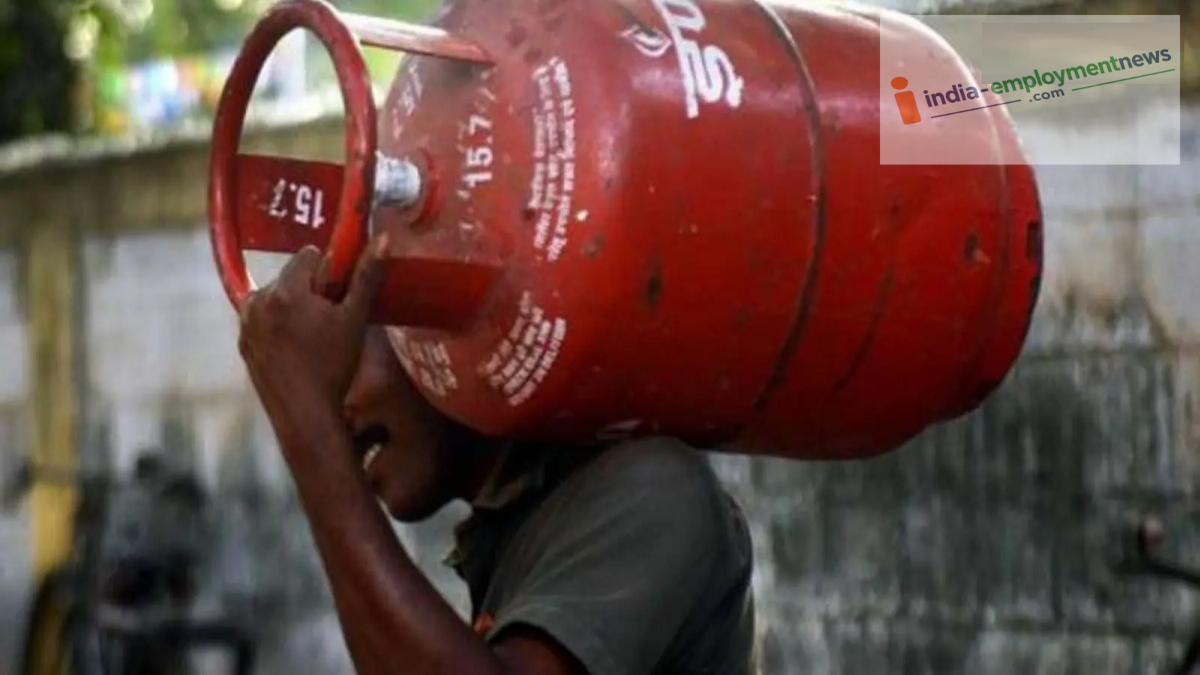
Preparations are underway to impose a new levy on LPG cylinders, which could make domestic gas cylinders approximately ₹18 more expensive. Here are the details of the government's plan.
Drawing lessons from the crisis in West Asia, the government is planning to build reserves of LPG and natural gas within the country. A plan worth approximately $42 billion is being formulated for this purpose. Alongside this, the government is considering the option of imposing a nominal additional levy on domestic gas consumers.
According to sources, the Ministry of Petroleum has proposed an additional levy of ₹1.29 per kilogram on cooking gas (LPG) and ₹1.43 per standard cubic meter on natural gas (PNG). If this proposal is implemented, the price of a domestic LPG cylinder could rise by about ₹18. Meanwhile, domestic PNG bills are estimated to increase by approximately 2 percent. No final decision has been taken on this proposal yet.
Why does the government want to impose an additional levy on gas?
Through this plan, the government is preparing to avert any major future crisis regarding gas supplies. Tensions in West Asia and disruptions in fuel supplies have highlighted the impact of India's dependence on imported fuel. The funds generated from the proposed levy will be used to create strategic gas reserves, ensuring the country has a secure stock of gas available for use when needed.
Currently, no final decision regarding LPG has been reached. However, the government is working towards building stocks sufficient to meet LPG requirements for about two months and LNG requirements for approximately one and a half months.
Why the plan to raise $1.5 billion annually?
The government estimates that approximately $1.5 billion could be raised annually through the proposed levy. Based on current consumption patterns, the levy on LPG is expected to generate around $460 million in additional revenue, while the levy on PNG is expected to yield approximately $1 billion. The government could utilize these funds to develop long-term gas storage facilities and the associated infrastructure.
What is the plan for building gas reserves over the next 10 years?
The government is preparing to implement this plan over the next decade, with an estimated expenditure of around $42 billion. These funds will be utilized to create new infrastructure and expand gas storage capacity. Estimates suggest the country will require storage capacity for approximately 9 million tonnes of LNG and 4 million tonnes of LPG.
What is India's current strategic reserve capacity?
Currently, India holds government-owned strategic crude oil reserves amounting to approximately 5.33 million tonnes. Additionally, storage facilities with a capacity of 6.5 million tonnes are under construction. However, there is a lack of dedicated strategic reserves specifically for LPG and LNG. India is the world's second-largest importer and consumer of LNG and meets about 90 percent of its crude oil requirements through imports.
Fuel supplies were disrupted by the US-Iran conflict and the subsequent obstacles that arose in the Strait of Hormuz. These import disruptions drove up costs and highlighted India's dependence on imported fuel. It was following this experience that the government formulated the plan for strategic gas reserves.
