
PNB Raises FD Rates: 444-Day Deposit Now Offers Top Returns Among Major PSU Banks
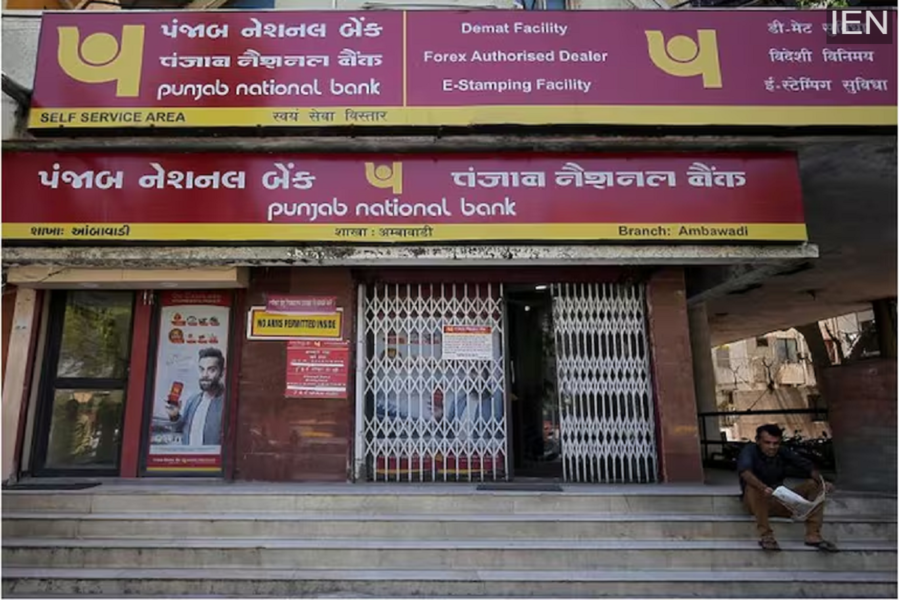
India’s fixed-income investors have fresh reason to review their savings strategy after Punjab National Bank revised its fixed deposit (FD) interest rates effective February 24, 2026. The updated structure applies to deposits below ₹3 crore and introduces a standout option: a 444-day tenure that currently delivers the highest returns among comparable public-sector bank schemes.
444-Day FD Emerges as the Star Performer
Under the revised rates, PNB’s 444-day fixed deposit now offers:
-
6.60% interest for general customers
-
7.10% for senior citizens
-
7.40% for super senior citizens
This makes the tenure the most attractive in the bank’s current lineup and positions it competitively against similar schemes offered by other government-owned lenders.
Updated Interest Rates Across Other Tenures
PNB’s revised FD rate structure shows moderate returns across various durations:
-
1-year FD:
-
6.25% (general)
-
6.75% (senior)
-
7.05% (super senior)
-
-
2–3 year deposits:
-
Up to 6.30%
-
-
Long-term deposits (5–10 years):
-
Up to 6.00% for general investors
-
While long-term rates remain relatively stable, the mid-term bracket—especially the 444-day option—stands out as the bank’s most competitive offering.
How PNB Compares With Other PSU Banks’ 444-Day FDs
Several public-sector banks also run special tenure deposits close to 15 months. Here’s how PNB’s new rates compare:
Bank of Baroda
Its “Square Drive” 444-day FD offers:
-
6.45% (general)
-
6.95% (senior)
-
7.05% (super senior)
Indian Bank
The “Ind Secure” scheme provides:
-
6.45% (general)
-
6.95% (senior)
-
7.20% (super senior)
State Bank of India
Its “Amrit Vrishti” deposit yields:
-
6.45% (general)
-
6.95% (senior)
-
7.05% (super senior)
Canara Bank
Offers:
-
6.45% (general)
-
6.95% (senior)
Conclusion: Based on current published rates, PNB’s 444-day FD provides the highest return among major public-sector lenders for this tenure.
Why Banks Are Tweaking FD Rates
Interest rate revisions typically reflect liquidity conditions, monetary policy trends, and competition for deposits. When banks need to attract more funds, they often raise rates on specific tenures rather than across all durations. Special-term deposits—like the 444-day scheme—are designed to:
-
Attract short-to-medium-term investors
-
Balance asset-liability maturity profiles
-
Compete with rival banks’ promotional products
For savers, such limited-tenure offers can deliver better returns than standard fixed deposits.
Who Should Consider a 444-Day FD?
This type of deposit may suit investors who:
-
Want higher returns than typical 1-year FDs
-
Prefer low-risk investments
-
Do not want to lock funds for multiple years
-
Seek predictable income rather than market-linked gains
However, investors should evaluate tax implications, premature withdrawal penalties, and reinvestment risk before committing.
Key Things to Check Before Investing
Even when rates look attractive, experts advise reviewing:
-
Penalty clauses for early withdrawal
-
Interest payout frequency (monthly, quarterly, or cumulative)
-
Taxation on interest income
-
Auto-renewal rules after maturity
Understanding these factors ensures that a seemingly high-return FD actually aligns with your financial goals.
Bottom Line
PNB’s latest rate revision has intensified competition among public-sector banks in the mid-term FD segment. With its 444-day scheme now offering the highest interest in its peer group, the bank has positioned itself as a strong contender for conservative investors seeking stable returns.
Still, while attractive rates can be tempting, smart investing means comparing options, reading terms carefully, and choosing a tenure that fits your liquidity needs and financial planning horizon.
