
PMGKAY Scheme: Good news for ration card holders; government takes a major decision regarding rice quality..
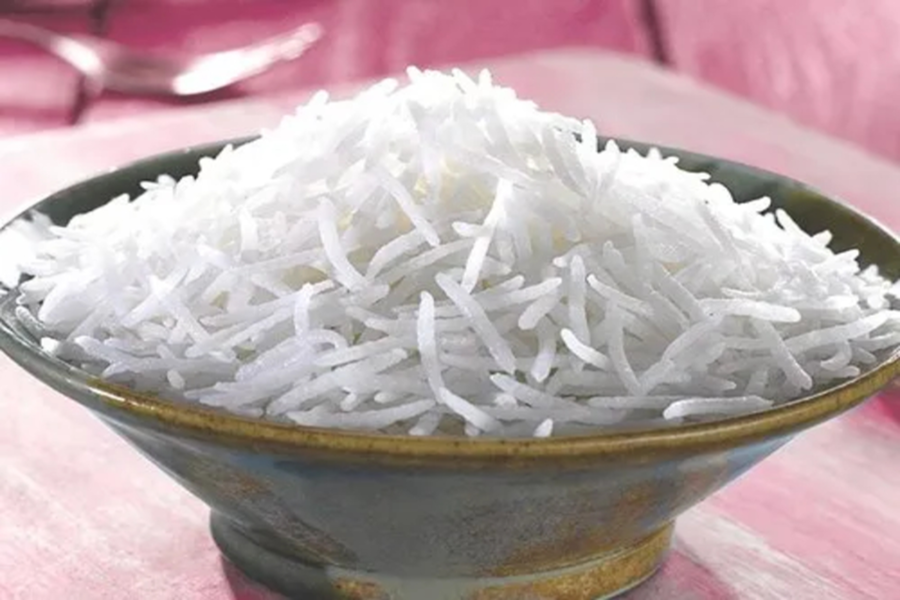
If you collect free rice from a government ration shop every month, there is good news for you. You are set to receive rice of better quality than before. The central government has revised the regulations concerning rice after nearly 30 years. With the implementation of these new rules, the proportion of broken grains in the ration supply will be significantly reduced. The government states that this will provide millions of people with superior rice and make the ration distribution system more efficient and reliable.
**Reduction in Broken Grains**
The government has decided to significantly lower the permissible limit of broken grains in the raw rice distributed through the ration system. Previously, the limit allowed for up to 25% broken grains, but this has now been reduced to just 10%. This directly means that people will receive cleaner, higher-quality rice compared to the past.
**Revised Rules for Parboiled Rice**
Regulations regarding parboiled rice (*usna chawal*) have also been updated. Previously, the limit for broken grains was 16%, but it has now been capped at 5%. This will further enhance the quality of the rice. The government emphasizes that the primary objective of this change is to ensure the delivery of high-quality grain to the public.
**Broken Rice Will Not Go to Waste**
The government has also decided that the separated broken rice will not be discarded; instead, it will be utilized in food processing and as animal feed. This ensures that there is no wastage of grain and that it is put to productive use.
**Comprehensive Monitoring via QR Codes**
QR codes will now be employed to further improve the ration distribution system. This will facilitate easy tracking of the rice's journey—from its source to the specific shop where it is delivered. The government believes this measure will enhance transparency within the system and potentially lead to annual savings of approximately ₹2,161 crore.
Disclaimer: This content has been sourced and edited from NDTV India. While we have made modifications for clarity and presentation, the original content belongs to its respective authors and website. We do not claim ownership of the content.
